Good Fish Guide
Coley
(Pollachius virens)
Also known as: Saithe
Overview
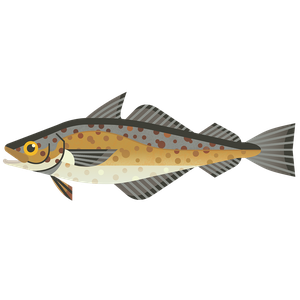
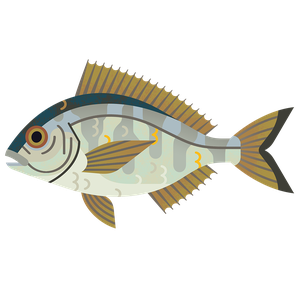
Coley or saithe belongs to the same family as cod and haddock. Coley usually enters coastal waters in spring and returns to deeper water in winter. They spawn from January to March at about 200m depth along the northern shelf edge and the western edge of the Norwegian deeps. Saithe can grow up to 130cm. It is a long-lived species and can reach ages of more than 25 years. They become sexually mature when 5-10 years old and 60-70cm long.
Ratings
Showing 12 results for Coley
Best Choice
OK - Needs Improvement
Avoid
Under review
Wild-caught
Location: Certified fleets only
Method: Bottom trawl (otter)
Certification: Marine Stewardship Council (MSC)
More infoNortheast Arctic (Barents and Norwegian Sea) - Wild-caught
Location: Certified fleets only
Capture methods: Bottom trawl (otter)
Certification: Marine Stewardship Council (MSC)
The population of coley, or saithe, in the northeast Arctic is abundant and fishing is within sustainable limits. Some appropriate management measures are in place. Most of the fishery is MSC-certified. However, management has not adequately addressed bycatch issues. Some Arctic saithe catches are by otter trawls, which have an unsustainable bycatch of endangered golden redfish.Rating last updated July 2023.
North Sea, West of Scotland and Rockall, Skagerrak - Wild-caught
Location: All areas
Capture methods: Bottom trawl (otter)
The population of coley, or saithe, in the North Sea, West of Scotland and Rockall, and Skagerrak is overfished and fishing pressure is too high. Management measures are in place and generally effective, although there is no specific management plan for this fishery. Most saithe catches are by otter trawls, which are likely to cause some damage to the seabed. Bycatch is moderate and may include vulnerable species such as blue and flapper skate, and cod.Rating last updated August 2025.
Northeast Arctic (Barents and Norwegian Sea) - Wild-caught
Location: All areas
Capture methods: Bottom trawl (otter)
The population of coley, or saithe, in the northeast Arctic is abundant and fishing is within sustainable limits. Some appropriate management measures are in place. However, management has not adequately addressed bycatch issues. Some Arctic saithe catches are by otter trawls, which have an unsustainable bycatch of endangered golden redfish.Rating last updated July 2023.
Northeast Arctic (Barents and Norwegian Sea) - Wild-caught
Location: All areas
Capture methods: Net (gill or fixed)
The population of coley, or saithe, in the northeast Arctic is abundant and fishing is within sustainable limits. Some appropriate management measures are in place. However, management has not adequately addressed bycatch issues. Some Arctic saithe catches are by gillnets, which could have a bycatch of endangered golden redfish.Rating last updated July 2023.
Northeast Arctic (Barents and Norwegian Sea) - Wild-caught
Location: All areas
Capture methods: Net (purse seine or ring)
The population of coley, or saithe, in the northeast Arctic is abundant and fishing is within sustainable limits. Some appropriate management measures are in place. However, management has not adequately addressed bycatch issues. Some Arctic saithe catches are by purse seine netting. This has low bycatch levels and is unlikely to have any habitat impacts.Rating last updated July 2023.
Wild-caught
Location: Certified fleets only
Method: Bottom trawl (otter)
Certification: Marine Stewardship Council (MSC)
More infoFaroes Grounds - Wild-caught
Location: Certified fleets only
Capture methods: Bottom trawl (otter)
Certification: Marine Stewardship Council (MSC)
The Faroes Grounds saithe stock is above target levels, however the stock is being fished above target levels and is subject to overfishing. Average catches have been within recommended limits in recent years. A new management plan was introduced in 2021. Most Faroese saithe is caught by trawling, which is likely to cause some damage to the seabed. Bycatch is moderate and may include vulnerable species including porbeagle and Faroese cod.Rating last updated December 2025.
Cornwall - Wild-caught
Location: All areas
Capture methods: Hook & line (handline)
For more information about this rating please visit: https://www.cornwallgoodseafoodguide.org.uk/fish-guide/coley.php.
Cornwall - Wild-caught
Location: All areas
Capture methods: Bottom trawl (otter)
For more information about this rating please visit: https://www.cornwallgoodseafoodguide.org.uk/fish-guide/coley.php.
Cornwall - Wild-caught
Location: All areas
Capture methods: Net (gill or fixed)
For more information about this rating please visit: https://www.cornwallgoodseafoodguide.org.uk/fish-guide/coley.php.
Wild-caught
Location: All areas
Method: Bottom trawl (otter)
Certification: Marine Stewardship Council (MSC)
More infoIceland - Wild-caught
Location: All areas
Capture methods: Bottom trawl (otter)
Certification: Marine Stewardship Council (MSC)
Icelandic coley, or saithe, is not in an overfished state. However, fishing pressure is slightly too high. There is a management plan in place, which has successfully reduced fishing pressure. Catch limits are set in line with scientific advice and are expected to keep the stock at target levels. All Icelandic saithe landed by the Icelandic fleet is MSC certified. Most catches are by otter trawling, which is likely to cause some damage to the seabed. Bycatch is moderate. There are a number of measures in place to mitigate impacts on species and habitats, but more needs to be done to ensure they are effective.Rating last updated July 2022.
Wild-caught
Location: All areas
Method: Net (gill or fixed)
Certification: Marine Stewardship Council (MSC)
More infoIceland - Wild-caught
Location: All areas
Capture methods: Net (gill or fixed)
Certification: Marine Stewardship Council (MSC)
Icelandic coley, or saithe, is not in an overfished state. However, fishing pressure is slightly too high. There is a management plan in place, which has successfully reduced fishing pressure. Catch limits are set in line with scientific advice and are expected to keep the stock at target levels. All Icelandic saithe landed by the Icelandic fleet is MSC certified. Some saithe is caught by gillnetting, which can have a bycatch of vulnerable species such as cetaceans and seabirds. There are a number of measures in place to reduce bycatch, but more needs to be done to ensure they are effective.Rating last updated July 2022.
Wild-caught
Location: Certified fleets only
Method: Bottom trawl (otter)
Certification: Marine Stewardship Council (MSC)
More infoNorth Sea, West of Scotland and Rockall, Skagerrak - Wild-caught
Location: Certified fleets only
Capture methods: Bottom trawl (otter)
Certification: Marine Stewardship Council (MSC)
The population of coley, or saithe, in the North Sea, West of Scotland and Rockall, and Skagerrak is fully fished but not subject to overfishing. Management measures are in place and generally effective, although there is no specific management plan for this fishery. The certified fleet has taken steps to reduce the impacts of trawling on seabed habitats, and avoid bycatching the vulnerable North Sea cod stock.Rating last updated August 2024.
Sustainable swaps
Saithe
Quickly check the sustainability of your fish or seafood with our step-by-step tool.
Find your fish or seafoodLearn more about how we calculate our sustainability ratings.
How our ratings work