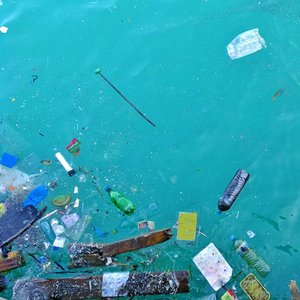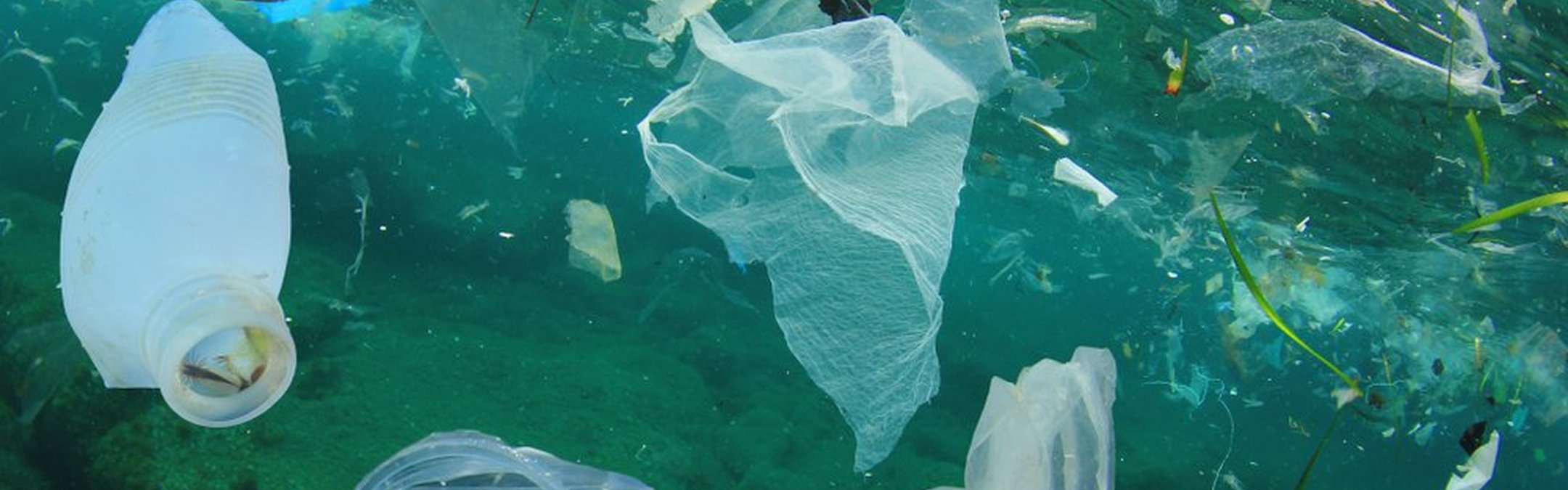
Different types of plastic including bags, cups and straws are pictured under the ocean, highlighting the plastic pollution problem

Marine litter

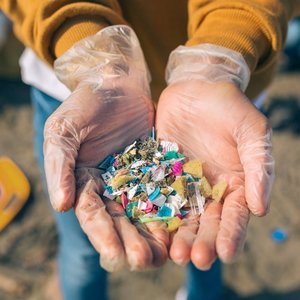
From plastics and microplastics to disposable vapes and cigarette butts, we campaign to reduce the amount of litter entering the marine world.

The ocean may appear vast, but our devastating human footprint is found everywhere, with marine litter found in many places, from your local beach all the way to the deepest ocean.

Plastic pollution
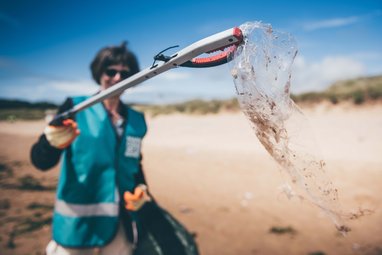
Plastic pollution is one of the greatest challenges our ocean is facing right now. Not only does it make our beaches look dirty, but it's affecting marine animals, birds, sea plants and is even having a detrimental effect on our health too. By tackling plastic pollution, both in the short and long term, we can ensure a cleaner, healthier ocean for all.


Learn more about our work to reduce plastic pollution
A woman holding up a piece of plastic wrapping using a litter picker to the camera. She is wearing a Marine Conservation Society vest. She is situated on a beach. The camera focus is on the wrapping making the woman blurry in the background.

Image credit: Aled Llywelyn

Disposable vapes and cigarette butts
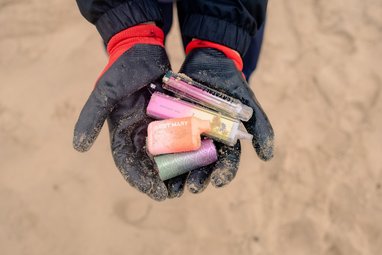
Data from Material Focus highlighted the extent of the single-use vape problem in the UK. With 14 million single-use vapes sold each month in the UK, many were ending up littered on our streets where they pollute the environment, making their way into rivers and eventually, the ocean. We supported environmental activist Laura Young's campaign against disposable vapes to highlight their impacts and drive action to limit pollution across the country. We're also working with ASH Scotland, Keep Scotland Beautiful and ASH Wales to highlight the environmental impact of single-use plastic filters in cigarette butts.

Our work on disposable vapes and cigarette butts
A pair of gloved hands holding multiple-coloured vapes. The photo is from a top down view.

Image credit: Billy Barraclough

Deposit Return Scheme
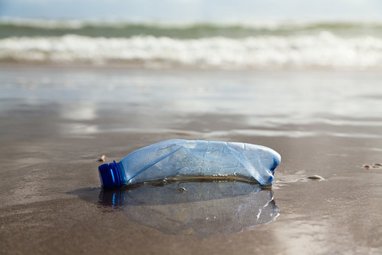
A Deposit Return Scheme is a system where you pay a small deposit on top of the price of a drink. When finished, you return the drinks container to a collection point – like a supermarket or shop – and get the deposit back. It’s a simple but effective system that reduces littering, puts value on what’s commonly seen as ‘worthless’, and encourages people to pick up drinks litter that they find.


Our support of a Deposit Return Scheme
A crushed plastic bottle lies on the shoreline, with the ocean waves lapping in the distance

Image credit: Canetti

Circular economy
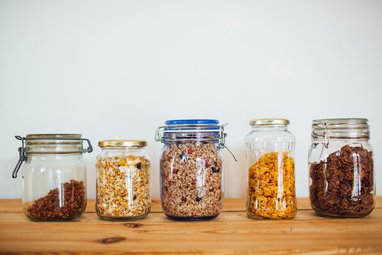
With ocean pollution at an all time high, we need to make changes in the way we produce and consume products. We need to shift to a circular economy where the things we use are designed to be reused, repaired or repurposed. A circular economy would reduce pollution and our burden on the planet.


How a circular economy can help save the ocean
A row of glass jars on a shelf filled with different types of cereal

Image credit: Markus Spiske

Balloon litter: Don't let go
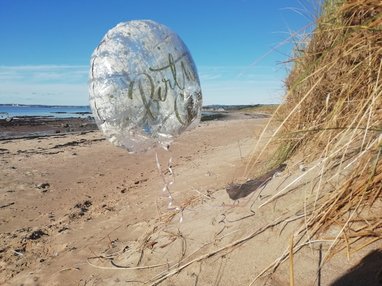
Letting go of balloons and setting off sky lanterns may seem like a bit of harmless fun, but what happens when they float out of your sight and disappear from your thoughts? They land somewhere – either intact or in bits with their trailing strings and plastic ties. This balloon litter can be eaten by marine life, entangle turtles or sea birds and may result in premature death by choking, starvation or strangulation.

We're raising the issue through our 'Don't Let Go' campaign and we're pleased to see councils getting involved too. Find out more and some ways you can help.


Don't let go
A deflated helium balloon is found on a sandy beach during a beach clean

A deflated balloon found on a beach clean.  |  Image credit: Tara Proud

You might also be interested in...