Restoration Forth
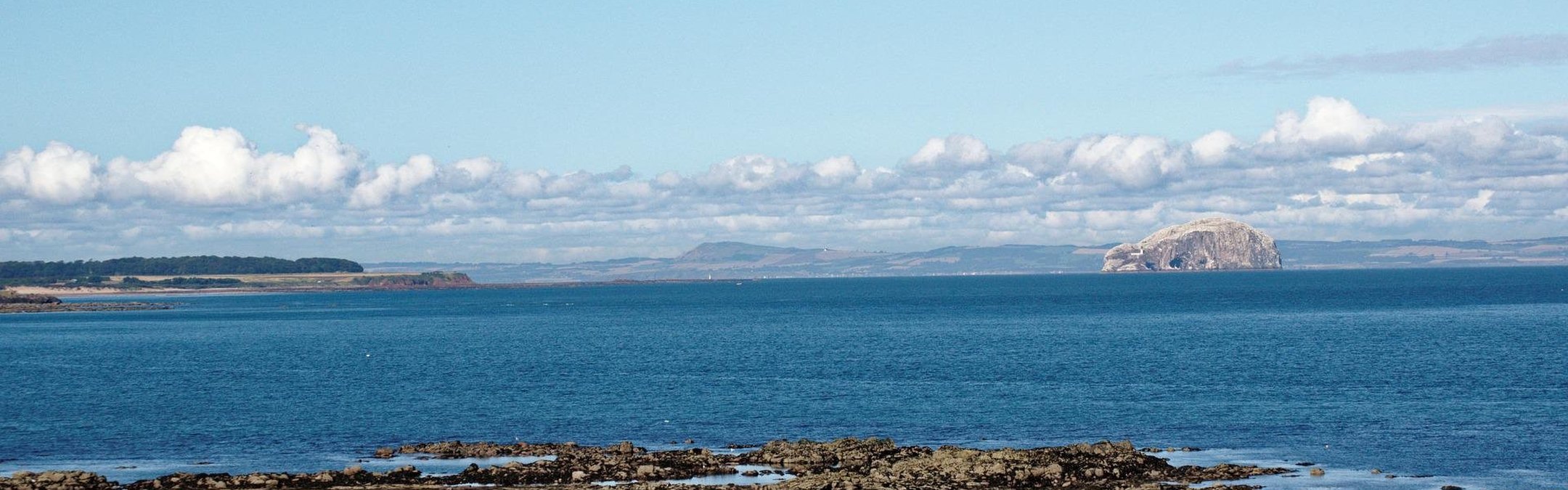
In the Firth of Forth, an area the size of modern-day Edinburgh was once covered by European flat oyster beds, but by the early 1900s they were all fished out. Together with project partners, (including science lead Heriot-Watt University) and local community members, we’re working to restore European flat oysters in the area.
About the project
Restoration Forth is a community-inspired marine restoration project that aims to reintroduce 60,000 European flat oysters and restore seagrass meadows to the Firth of Forth, Scotland.
Working with local communities, the Restoration Forth project team has been researching potential sites and trialling methods for restoring both oysters and seagrass to the area. Since the project began in 2022, the team have now introduced a baseline population of oysters, which we hope will become self-sustaining over time.
Together, communities around the Firth of Forth and across Scotland can help restore our marine environment and influence Scottish Government policy for stronger marine protection. The Restoration Forth team is engaging with local communities throughout the project, empowering them to get involved through education, training, and volunteering opportunities.
The vision of the project is for species and habitat restoration to be trialled around the Forth, involving local communities at each step of the process.
Head of Policy and Advocacy Calum Duncan
Our partnership with Heriot-Watt University builds on our successful, ongoing collaboration as part of the award-winning Dornoch Environmental Enhancement Project (DEEP) which has so far reintroduced 100,000 European flat oysters to the Dornoch Firth.
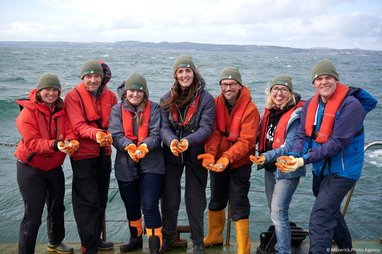
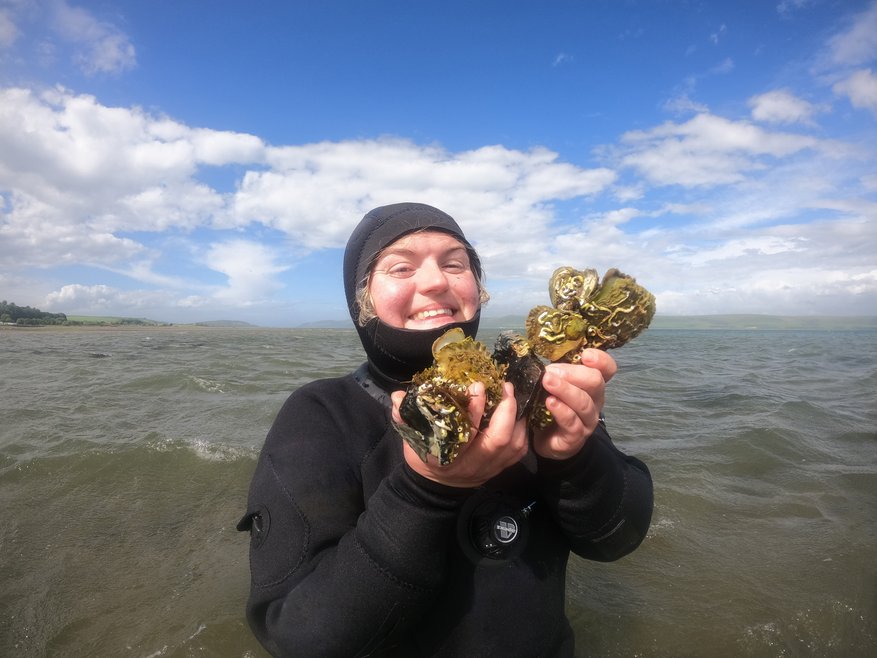
Scientists and Marine Conservation Society staff working on oyster deployment | Image credit: Maverick Photo Agency
30
years
Native oysters can live up to
200
Litres filtered each day by each oyster
85
%
Global decline in native oysters
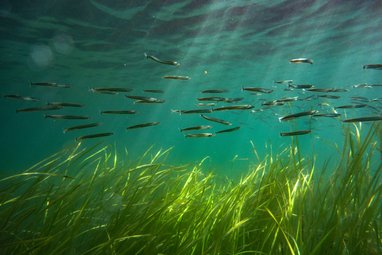
Sandeels above a seagrass meadow. Mounts Bay, Conrwall | Image credit: Heather Hamilton
10
%
of the carbon buried in ocean sediment each year is absorbed by seagrass
35
x
more CO2 is thought to be absorbed by seagrass than rainforests
92
%
of UK marine meadows may have been destroyed as a result of pollution, disease and damage caused by people
Help restore the Firth of Forth
There are lots of opportunities to get involved in the project and you can keep up-to-date with our upcoming events on the WWF Restoration Forth webpages.
Recently, the team have launched a brand-new Restoration Forth citizen science guide below. Citizen science is when the public join forces with scientific teams to collaborate on research projects. In 2025, 148 of you conducted 45 citizen science surveys around the Firth of Forth. Read about the results in our citizen science annual report.
Anyone can be a citizen scientist and it’s a great way to get involved in scientific projects, get outside and meet new people.
The Restoration Forth science team at Heriot-Watt University has identified three key types of information that are valuable for assessing the survival and wider benefit of returning oysters to the Firth of Forth:
- Finding the best places to restore oysters
- Checking how the oysters are doing
- Tracking the benefits of returning oysters
Ways to get involved
A deeper dive into the science
Restoration Forth has a brilliant team of scientists who are researching lots of different elements of returning oysters and the impacts they have on marine environments.
The Marine Conservation Society are part of this WWF-led project, alongside The Ecology Centre, Edinburgh Shoreline, Fife Coast & Countryside Trust, Heart of Newhaven, Heriot-Watt University, Project Seagrass, Royal Botanic Garden Edinburgh and Scottish Seabird Centre.
The first phase of Restoration Forth (2022-24) was made possible by funding from Aviva, the Moondance Foundation, the ScottishPower Foundation and the Scottish Government’s Nature Restoration Fund, facilitated by the Scottish Marine Environmental Enhancement Fund, and managed by NatureScot.
The current phase of Restoration Forth is made possible by funding from Sky and the Cinven Foundation; the project is supported by the Scottish Government’s Nature Restoration Fund, managed by NatureScot.