DEEP Project oyster reintroduction
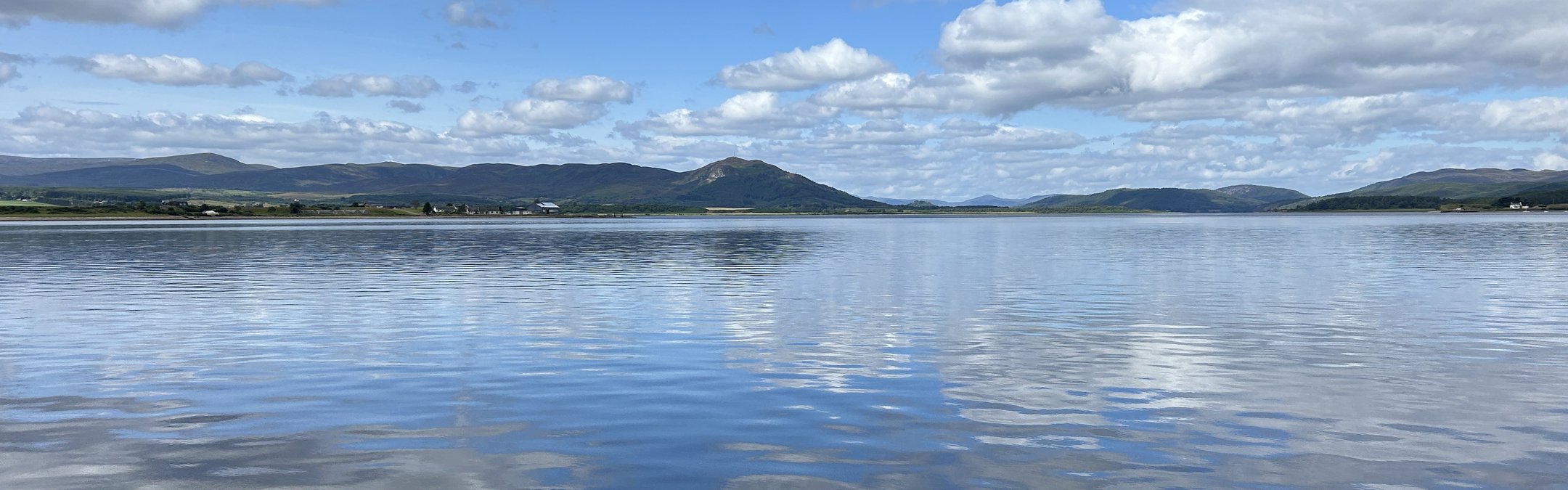
We’re a proud founding partner of the Dornoch Environmental Enhancement Project, reintroducing European flat oysters to the Dornoch Firth.
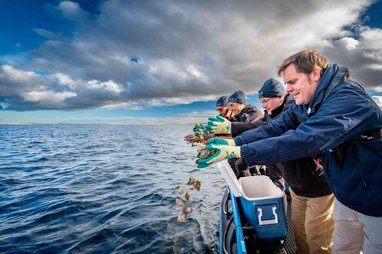
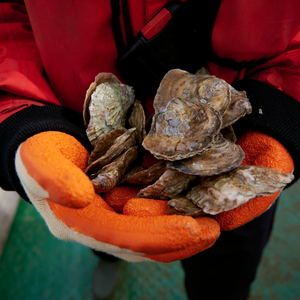
Head of Policy and Advocacy Calum Duncan and the DEEP team deploying oysters into the Dornoch Firth | Image credit: The Glenmorangie Company
About the project
DEEP was formed in 2014 by The Glenmorangie Company with the Marine Conservation Society and Heriot-Watt University.
The shared vision is to restore long-lost oyster reefs to the Dornoch Firth, a Special Area of Conservation, enhancing biodiversity and acting in tandem with a new anaerobic digestion plant. The plant purifies the by-products created through The Glenmorangie Company's distillation process – an environmental first for a Distillery.
A successful re-introduction of native oysters to the Dornoch Firth as part of a ‘survivability’ trial in 2017 coincided with Glenmorangie officially opening the €6million plant at its renowned Tain Distillery.
The plant is expected to purify up to 98% of the waste water that the Distillery releases into the Firth with the remaining 2% of the organic waste accounted for by the filter feeding of the oysters.
We're proud to deliver community and staff engagement, communications support and advocacy for DEEP, and look forward to supporting the project toward a goal of some four million native oysters covering around 40 hectares. Progress has been made with 100,000 of this target already being met.
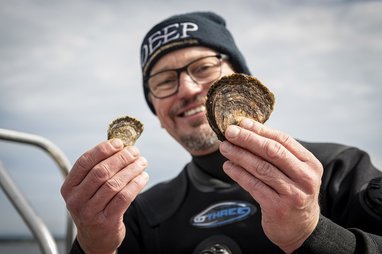
Professor Bill Sanderson, Heriot-Watt University | Image credit: JP Photography
Over the past 10 years, we’ve proudly shared the project’s story with locals and visitors. We’ve also recruited volunteers to help clean oysters, playing a key role in the project's visionary goal of creating habitat for more species, locking up carbon and improving water quality.
Head of Policy and Advocacy Calum Duncan
Oysters in numbers
30
years
Native oysters can live up to
200
Litres filtered each day by each oyster
85
%
Global decline in native oysters