

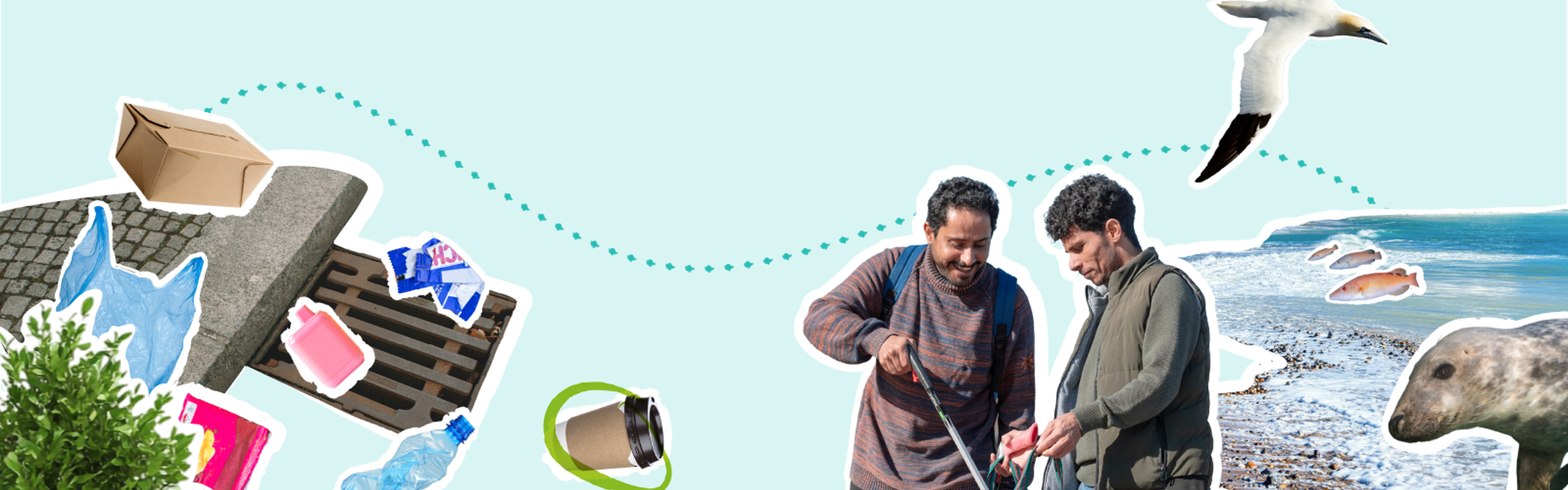
No matter where you live across the UK, you can help keep our seas clean. Most of the litter that ends up on our beaches or in the sea starts its journey in villages, towns and cities miles from the coast.
Source to Sea Litter Survey event
Get ready to be part of something big! This year, we're launching a nationwide Source to Sea Litter Survey event. From the 16th - 31st May, we have an ambitious goal to record at least one litter survey in each and every one of the UK’s 124 postcode zones - and we need your help to make it happen.
Whether you’re out on a walk, at school, or rallying your community, taking part in a survey will help us create a snapshot of litter across the country. By tracking the litter you find locally, you’ll help us learn more about how inland litter travels from source to sea, strengthening the case for solutions like Deposit Return Schemes and cutting single-use items to support a circular economy.
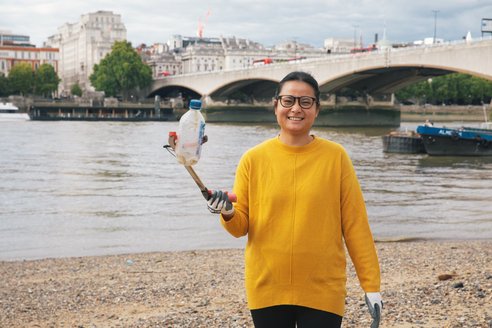
What is the Source to Sea litter survey?
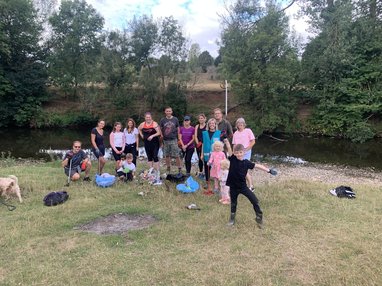
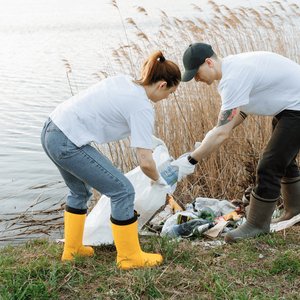
A family taking part in a Source to Sea river clean | Image credit: Hayley Cartwright
How to take part
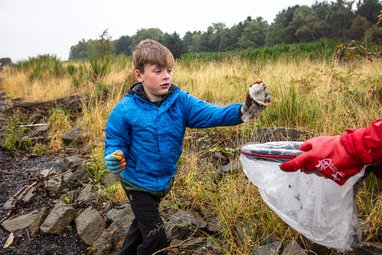
A young boy cleaning up near Kinniel | Image credit: Holtography
When you've finished your event, if would be great to have any feedback on any hazards to help us improve the safety of litter clean ups. Please complete the section on the form.
Why your help matters
All of the data you collect on the beach, on your street or in a local park helps us campaign for change to protect our ocean.
Organiser forms
Taking part or leading an inland clean might seem overwhelming, but it couldn't be simpler. Whether it's a 5 minute clean or 2 hours, a small playground or an entire football pitch, it works around you. Additionally, if you're leading a group, we've put together a handy guide to help you run a litter pick so you can make sure every knows what to do.
Source to Sea volunteer briefing sheet
Before you start the survey, it is best to make sure your volunteers know what to do and how to keep safe. We have put together some key points for you to mention to your group.
Source to sea recording form
80% of the litter we find in our ocean comes from inland sources. Your survey will help track litter items from source to sea. Download the form.
Health and safety forms
Before heading out to conduct your survey, check out our handy risk assessments to help you stay safe. In order to be covered by our insurance event organisers must make time for appropriate planning, risk assessment and minimisation prior to their event.
Source to Sea risk assessment
Our risk assessment has been developed to include the most likely risks associated with the with the litter clean up environment for rivers, rural areas, parks, urban areas, e.g. streets, community areas. Adapt it to suit your event location.
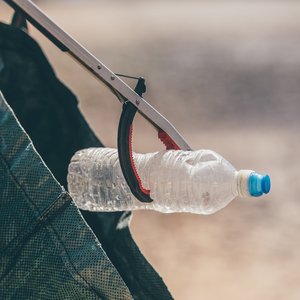
Public liability insurance
Download a copy of our public liability insurance certificate. Some landowners may ask to see a copy of this before giving you permission to go ahead with the event.
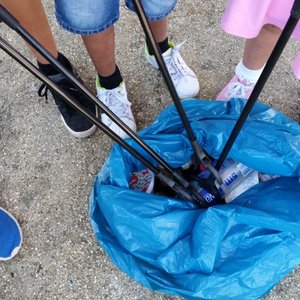
Parental consent form
We'd love you to share photos and videos of your clean with us but in order to be covered by our public liability insurance you must ensure that you have a competed parental consent form for anyone under the age of 16 years.
Other citizen science projects to try
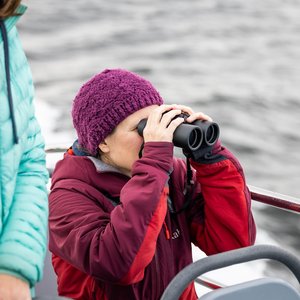
Report a turtle or jellyfish sighting
We want to hear about the wildlife you spot at the coast and at sea, especially marine turtles and jellyfish in UK and Irish waters.
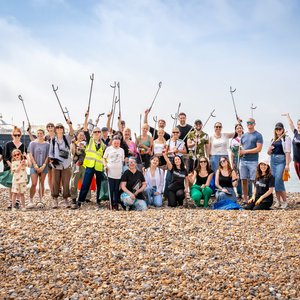
Find a beach clean
Join one of our beach clean surveys and help keep Britain's beaches beautiful and our ocean safe for wildlife.
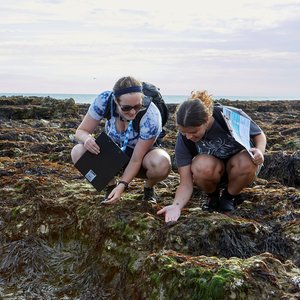
Join the Big Seaweed Search
Help identify, photograph and record 14 key UK seaweed species to help understand the impact of environmental change on our seas.

