

Good Fish Guide
Dover sole
(Solea solea)
Also known as: Common sole
Overview
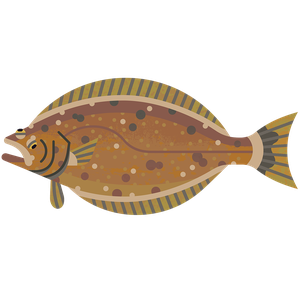
Sole is a right-eyed flatfish (eyes on the right hand side of the body) and belongs to the family of flatfishes known as Soleidae. It spawns in spring and early summer in shallow coastal water, from April to June in the southern North Sea, from May-June off the coast of Ireland and southern England, and as early as February in the Mediterranean. Common sole become sexually mature at 3-5 years, when 25-35cm long, the males being somewhat smaller than the females. It can attain lengths of 60-70cm and weigh 3kg.The maximum reported age is 26 years. Sole is a nocturnal predator and therefore more susceptible to capture by fisheries at night than in daylight.
Ratings
Showing 20 results for Dover sole
Best Choice
OK - Needs Improvement
Avoid
English Channel (East) - Wild-caught
Location: All areas
Capture methods: Bottom trawl (beam)
Eastern English Channel sole biomass is below safe biological levels and there is no recovery plan in place. Beam trawls have significant impacts on the seabed, including damage to benthic communities and vulnerable marine habitats. They can also have high bycatch, potentially of vulnerable species.Rating last updated July 2024.
English Channel (East) - Wild-caught
Location: All areas
Capture methods: Net (gill or fixed)
Eastern English Channel sole biomass is below safe biological levels and there is no recovery plan in place. Gillnets can be very size selective for the target fish but can be unselective at the species level for both non-target fish and for mammals, birds and turtles.Rating last updated July 2024.
English Channel (East) - Wild-caught
Location: All areas
Capture methods: Bottom trawl (otter)
Eastern English Channel sole biomass is below safe biological levels and there is no recovery plan in place. Otter trawling is likely to cause some damage to the seabed. Bycatch is moderate and may include vulnerable species.Rating last updated July 2024.
English Channel (East) - Wild-caught
Location: All areas
Capture methods: Net (demersal seine)
Eastern English Channel sole biomass is below safe biological levels and there is no recovery plan in place. Benthic seines interact with the seabed and have the potential to cause some damage to sea floor habitats, but the majority of the interaction comes from ropes which have a lighter impact than otter and beam trawl fisheries.Rating last updated July 2024.
North Sea - Wild-caught
Location: All areas
Capture methods: Electrical fishing (pulse trawl)
Updated: July 2021.Whilst the stock in this area is recovering and harvested within sustainable limits, fishing with beam trawl using electrical pulse current in UK waters is prohibited by law as of 1st July 2021. Therefore, any species caught by pulse trawl after this date have been caught illegally, leading to a default red-rating.
Under review
Celtic Sea, Bristol Channel - Wild-caught
Location: All areas
Capture methods: Bottom trawl (otter)
Sole biomass in this area is in a good state and fishing pressure is within precautionary limits. There is no management plan for Celtic Sea Dover sole, but some measures are in place which are largely effective, including the Celtic Sea Protection Zone. While sole discards are generally low, plaice is also caught here, and discards of that stock are significant. Otter trawling is likely to cause some damage to the seabed. Bycatch is moderate and may include vulnerable species.Rating last updated July 2024.
Celtic Sea, Bristol Channel - Wild-caught
Location: All areas
Capture methods: Bottom trawl (beam)
Sole biomass in this area is in a good state and fishing pressure is within precautionary limits. There is no management plan for Celtic Sea Dover sole, but some measures are in place which are largely effective, including the Celtic Sea Protection Zone. While sole discards are generally low, plaice is also caught here, and discards of that stock are significant. Beam trawls have significant impacts on the seabed, including damage to benthic communities and vulnerable marine habitats. They can also have high bycatch, potentially of vulnerable species.Rating last updated July 2024.
North Sea - Wild-caught
Location: All areas
Capture methods: Bottom trawl (beam)
Sole biomass in the North Sea is in a good state and fishing pressure is within sustainable limits. There is no management plan in place for North Sea Dover sole, but some technical measures are in place and are thought to be effective. Total Allowable Catch (TAC) has been in line with advice, and catch has been below TAC. Juvenile plaice tend to be relatively abundant there, leading to relatively high discarding rates of small plaice. In addition, the minimum mesh size of 80 mm selects sole at the minimum conservation size, but generates high discards of plaice, which have a larger minimum size. Beam trawls have significant impacts on the seabed, including damage to benthic communities and vulnerable marine habitats. They can also have high bycatch, potentially of vulnerable species.Rating last updated July 2024.
Irish Sea - Wild-caught
Location: All areas
Capture methods: Bottom trawl (otter)
Sole in this area is in a good state and fishing pressure is within sustainable limits. There is no management plan in place for Irish Sea Dover sole but some measures are in place and have been effective in recovering the stock. In 2024, TAC has been set in line with ICES advice. There is also a minimum conservation reference size and mesh size restrictions in place. Otter trawling is likely to cause some damage to the seabed. In the Irish Sea, there is concern over levels of bycatch of the vulnerable cod and whiting stocks in the Irish sea.Rating last updated July 2024.
Irish Sea - Wild-caught
Location: All areas
Capture methods: Bottom trawl (beam)
Sole in this area is in a good state and fishing pressure is within sustainable limits. There is no management plan in place for Irish Sea Dover sole but some measures are in place and have been effective in recovering the stock. In 2024, TAC has been set in line with ICES advice. There is also a minimum conservation reference size and mesh size restrictions in place. Beam trawls have significant impacts on the seabed, including damage to benthic communities and vulnerable marine habitats. They can also have high bycatch, potentially of vulnerable species. In the Irish Sea, there is concern over levels of bycatch of the vulnerable cod and whiting stocks in the Irish sea.Rating last updated July 2024.
English Channel (West) - Wild-caught
Location: All areas
Capture methods: Bottom trawl (otter)
Western English Channel sole is in a good state, and fishing mortality is at sustainable levels. There is no management plan in place for this fishery but some measures are in place, and total allowable catch (TAC) is generally set in line with scientific advice. This fishery has a low level of discarding of unwanted fish. In terms of bycatch, plaice is also caught in this fishery and the minimum mesh size is not matched to the lower size limit for plaice, leading to a large number of plaice being discarded. Otter trawling is likely to cause some damage to the seabed. Bycatch is moderate and may include vulnerable species.Rating last updated July 2024.
English Channel (West) - Wild-caught
Location: All areas
Capture methods: Bottom trawl (beam)
Western English Channel sole is in a good state, and fishing mortality is at sustainable levels. There is no management plan in place for this fishery but some measures are in place, and total allowable catch (TAC) is generally set in line with scientific advice. This fishery has a low level of discarding of unwanted fish. In terms of bycatch, plaice is also caught in this fishery and the minimum mesh size is not matched to the lower size limit for plaice, leading to a large number of plaice being discarded. Beam trawls have significant impacts on the seabed, including damage to benthic communities and vulnerable marine habitats. They can also have high bycatch, potentially of vulnerable species.Rating last updated July 2024.
English Channel (West) - Wild-caught
Location: All areas
Capture methods: Net (gill or fixed)
Western English Channel sole is in a good state, and fishing mortality is at sustainable levels. There is no management plan in place for this fishery but some measures are in place, and total allowable catch (TAC) is generally set in line with scientific advice. This fishery has a low level of discarding of unwanted fish. In terms of bycatch, plaice is also caught in this fishery and the minimum mesh size is not matched to the lower size limit for plaice, leading to a large number of plaice being discarded. Gillnets in this area can encounter bycatch of non-target fish, mammals and birds. This includes the harbour porpoise which is vulnerable in Europe. Based on the available information, gillnet fisheries in some areas could be over-exploiting this species and causing it to decline.Rating last updated July 2023.
North Sea - Wild-caught
Location: All areas
Capture methods: Net (gill or fixed)
Sole in the North Sea is harvested sustainably but there is concern for the stock level. There is no management plan in place for North Sea Dover sole, but some technical measures are in place and are thought to be effective. Total Allowable Catch (TAC) has been in line with advice, and catch has been below TAC. Juvenile plaice tend to be relatively abundant there, leading to relatively high discarding rates of small plaice. Whilst gill net fisheries can be very selective with regards to targeted fish species, they can encounter bycatch of vulnerable species including porpoise, sharks and seabirds. Bycatch of harbour porpoise in the North Sea is not considered to be a threat to the population, but localised depletion may be an issue in some areas.Rating last updated July 2023.
North Sea - Wild-caught
Location: All areas
Capture methods: Bottom trawl (otter)
Sole in the North Sea is harvested sustainably but there is concern for the stock level. There is no management plan in place for North Sea Dover sole, but some technical measures are in place and are thought to be effective. Total Allowable Catch (TAC) has been in line with advice, and catch has been below TAC. Otter trawls are likely to cause some damage to the seabed. Bycatch is moderate and may include vulnerable species such as blue and flapper skate.Rating last updated July 2023.
North Sea - Wild-caught
Location: All areas
Capture methods: Net (demersal seine)
Sole in the North Sea is harvested sustainably but there is concern for the stock level. There is no management plan in place for North Sea Dover sole, but some technical measures are in place and are thought to be effective. Total Allowable Catch (TAC) has been in line with advice, and catch has been below TAC. Juvenile plaice tend to be relatively abundant there, leading to relatively high discarding rates of small plaice. Benthic seines interact with the seabed and have the potential to cause some damage to sea floor habitats, but the majority of the interaction comes from ropes which have a lighter impact than otter and beam trawl fisheries.Rating last updated July 2023.
Celtic Sea South, southwest of Ireland - Wild-caught
Location: All areas
Capture methods: Bottom trawl (otter)
Updated: July 2021.This stock is data limited. There is concern for the biomass and no concern for fishing pressure. The state of the stock is unknown and ICES cannot assess the stock and exploitation status relative to maximum sustainable yield (MSY) and precautionary approach (PA) reference points, as the reference points are undefined. Catches have been stable since 2006. There is no management plan in place for this stock, but some measures are in place. As this stock is data limited, this limits the effectiveness of management. Sole is a small (but valuable) component (up to 5%) of the landings in this mixed fishery, which also has a bycatch of the highly vulnerable plaice stock. Otter trawlers interact with the seabed and can modify bottom topography and cause damage and removal of some biogenic features including vulnerable marine habitats and benthic communities.
Celtic Sea South, southwest of Ireland - Wild-caught
Location: All areas
Capture methods: Bottom trawl (beam)
Updated: July 2021.This stock is data limited. There is concern for the biomass and no concern for fishing pressure. The state of the stock is unknown and ICES cannot assess the stock and exploitation status relative to maximum sustainable yield (MSY) and precautionary approach (PA) reference points, as the reference points are undefined. Catches have been stable since 2006. There is no management plan in place for this stock, but some measures are in place. As this stock is data limited, this limits the effectiveness of management. Sole is a small (but valuable) component (up to 5%) of the landings in this mixed fishery, which also has a bycatch of the highly vulnerable plaice stock. Beam trawling, which mostly operates on muddy seabeds, can have a high impact on benthic habitats and may catch endangered, threatened and protected (ETP) species.
Baltic Sea (West), Skagerrak and Kattegat (Subdivisions 20-24) - Wild-caught
Location: All areas
Capture methods: Bottom trawl (otter)
Updated: July 2020.
Spawning-stock biomass has increased slowly over the last five years and the stock is now in a healthy state and fishing pressure is within sustainable limits. Total Allowable Catches (TACs) have been reduced over the years, successfully reducing fishing pressure. In 2020, the TAC is not expected to be fully utilised. Discards of sole are low, at 4%, but bycatch and discarding of other species could be a concern. In the trawl fisheries, the Kattegat cod stock may be bycaught, which has a recommendation for zero catch owing to its very overfished state.
Baltic Sea (West), Skagerrak and Kattegat (Subdivisions 20-24) - Wild-caught
Location: All areas
Capture methods: Net (gill or fixed)
Updated: July 2020.
Spawning-stock biomass has increased slowly over the last five years and the stock is now in a healthy state and fishing pressure is within sustainable limits. Total Allowable Catches (TACs) have been reduced over the years, successfully reducing fishing pressure. In 2020, the TAC is not expected to be fully utilised. Discards of sole are low, at 4%, but bycatch and discarding of other species could be a concern. In the trawl fisheries, the Kattegat cod stock may be bycaught, which has a recommendation for zero catch owing to its very overfished state. Gill netting in the Baltic Sea is likely to be adversely affecting the critically endangered central Baltic Sea harbour porpoise population.
Sustainable swaps
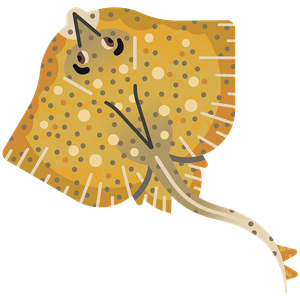
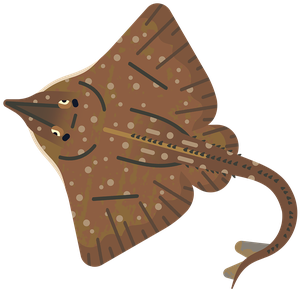
Common sole
Quickly check the sustainability of your fish or seafood with our step-by-step tool.
Find your fish or seafoodLearn more about how we calculate our sustainability ratings.
How our ratings work
