

Good Fish Guide
European lobster
(Homarus gammarus)
Overview
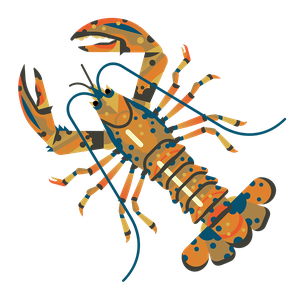
The lobster's appearance is unmistakable: dark blue shell (turns red only when boiled) with pale yellow markings and long red antennae. The claws are of unequal size, with one large crushing claw and a slimmer cutting claw. European lobster can be found from Scandinavia to North Africa, including the Mediterranean and Black Seas, where they occupy solitary shelters in rocky substrates at depths of 0 to 150 m, but usually not deeper than 50 m. They are nocturnal and territorial animals living in holes or crevices. Common total length: 23 to 50 cm (maximum length 100 cm), maximum weight 9kg. In the absence of exploitation the life span is probably 10 years, but they may live 50 years or more. They are opportunistic scavengers, as well as preying on small crustaceans, molluscs and polychaetes. European lobsters are sedentary animals with home ranges varying from 2 to 10 km, although some inshore/offshore and longshore migration may take place. In most areas lobsters do not mature before 5 to 8 years (depending on water temperature), with females maturing at around 7.5-8.0 cm carapace length (CL). Males reach sexual maturity earlier than females. Genetic data suggests that females in the wild mate with a single male. Results from tank experiments demonstrate that individual males can fertilise several females in the same season and this is likely to be the case in the wild. Thus the normal breeding system in the wild is likely to be polygynous. Lobsters mate in late summer when the females moult, but females can store the sperm packet over the winter so eggs are not fertilised and laid until the following summer (around July). Since eggs are carried for 10 to 11 months, females with eggs (termed 'berried') are usually found throughout the year. Moulting occurs in summer, approximately once a year for adults, becoming less frequent in older animals, and mating occurs soon after the female has moulted. There are 3 larval stages, lasting 3-4 weeks, before the post-larvae settle on the seabed. Larval distribution depends on local hydrographical conditions and pre-recruit behaviour, and as such, is highly variable.
Ratings
Showing 28 results for European lobster
Best Choice
OK - Needs Improvement
Avoid
Under review
England (Northwest) - Wild-caught
Location: Offshore (beyond 6nm)
Capture methods: Pot, trap or creel
This stock is data limited and the stock status of European lobster in the Northwest is unknown. There is concern for biomass (owing to lack of any data) but no concern for fishing pressure. Management requires considerable improvement and effort controls are needed to improve the stock. Pot fishing is considered low impact as it is selective for larger individuals and has minimal impact on the surrounding environment.Rating last updated June 2024.
England (East Anglia) - Wild-caught
Location: Eastern IFCA District (0-6nm)
Capture methods: Pot, trap or creel
This rating is under review.
England (Southeast South Coast) - Wild-caught
Location: Offshore (beyond 6nm)
Capture methods: Pot, trap or creel
In the Southeast South Coast area, data is only available until 2019. In 2019, the biomass of both sexes was low, just above the minimum reference point. Fishing mortality was above the FMSY target, but below the maximum reference point limit. This rating is for the European lobster fishery in the Southeast South Coast, in England, beyond 6nm. Some national management measures are in place, however, they are not effective in managing the stock and effort controls are needed. Pot fishing is generally considered very low impact as it is selective for larger individuals and has minimal impact on the surrounding environment.
Scotland (East) - Wild-caught
Location: All areas
Capture methods: Pot, trap or creel
This stock is data limited. There is concern for the biomass due to a lack of biomass data, and concern for fishing pressure as F is above FMSY in all areas where data is available (for either males, females, or both). There is a minimum size in place for this fishery however, there is no limit on creel numbers, no spatial controls and no total allowable catch in place. Management would benefit from effort controls that are responsive to the state of the stock. Potting, or creeling, for European lobster has minimal impact on the surrounding environment.Rating last updated June 2023.
England (Southeast South Coast) - Wild-caught
Location: Kent and Essex IFCA District (0-6nm)
Capture methods: Pot, trap or creel
In the Southeast South Coast area, data is only available until 2019. In 2019, the biomass of both sexes was low, just above the minimum reference point. Fishing mortality was above the FMSY target, but below the maximum reference point limit. In the Kent & Essex IFCA distrcit there are management measures in place but these are not effective in managing the stock. There is a MCRS of 87mm carapace length, but no total allowable catch (TAC) or pot limits in place. Pot fishing is generally considered very low impact as it is selective for larger individuals and has minimal impact on the surrounding environment.Rating last updated June 2024.
England (Yorkshire Humber) - Wild-caught
Location: North Eastern IFCA District (0-6nm)
Capture methods: Pot, trap or creel
In the Yorkshire Humber area, fishing mortality is high, around the limit reference point for males and between MSY and the limit reference point for females. Biomass is between the minimum and maximum reference point for both sexes. In the North Eastern IFCA district, there are management measures in place but these are not effective in managing the stock. There is a MCRS of 87mm carapace length, but no total allowable catch (TAC) or pot limits in place. Pot fishing is generally considered very low impact as it is selective for larger individuals and has minimal impact on the surrounding environment.Rating last updated June 2024.
England (Southwest) - Wild-caught
Location: Devon and Severn IFCA District (0-6nm)
Capture methods: Pot, trap or creel
In the Southwest, biomass is between the limit and target reference point for males, and above the MSY target for females. Fishing pressure is above the target but below the maximum reference point. In the Devon & Severn IFCA district, there are management measures in place but these are not effective in managing the stock. There is an MCRS of 90mm carapace length, but no total allowable catch (TAC) or pot limits in place. Around 40% of Devon and Severn IFCA is in an MPA. Pot fishing is generally considered very low impact as it is selective for larger individuals and has minimal impact on the surrounding environment.Rating last updated June 2024.
Wild-caught
Location: Granville Bay Treaty Area
Method: Pot, trap or creel
Certification: Marine Stewardship Council (MSC)
More infoJersey - Wild-caught
Location: Granville Bay Treaty Area
Capture methods: Pot, trap or creel
Certification: Marine Stewardship Council (MSC)
European lobster in this area is fully fished and is being harvested sustainably. Landings have declined in recent years. The stock is well managed with harvest control rules, and pot limits in place. However, this fishery has not banned the landing of berried and v-notched lobsters. Pot fishing is considered sustainable as it is selective for larger individuals and has minimal impact on the surrounding environment.Rating last updated June 2023.
England (Southwest) - Wild-caught
Location: Isles of Scilly IFCA District (0-6nm)
Capture methods: Pot, trap or creel
In the Southwest, biomass is between the limit and target reference point for males, and above the MSY target for females. Both sexes have been increasing since 2018. Fishing pressure is above the target but below the maximum reference point. In the Isles of Scilly IFCA district, management measures are not effective in managing the stock. There is an MCRS of 90mm, but no total allowable catch (TAC) or pot limits in place. Pot fishing is generally considered very low impact as it is selective for larger individuals and has minimal impact on the surrounding environment.Rating last updated June 2024.
England (East Anglia) - Wild-caught
Location: Kent and Essex IFCA District (0-6nm)
Capture methods: Pot, trap or creel
In East Anglia, the stock is data limited. There is concern for both biomass and fishing pressure. In the Kent & Essex IFCA distrcit there are management measures in place but these are not effective in managing the stock. There is a MCRS of 87mm carapace length, but no total allowable catch (TAC) or pot limits in place. Pot fishing is generally considered very low impact as it is selective for larger individuals and has minimal impact on the surrounding environment.Rating last updated June 2024.
England (Southeast South Coast) - Wild-caught
Location: Southern IFCA District (0-6nm)
Capture methods: Pot, trap or creel
In the Southeast South Coast area, data is only available until 2019. In 2019, the biomass of both sexes was low, just above the minimum reference point. Fishing mortality was above the FMSY target, but below the maximum reference point limit. In the Southern IFCA distrcit, there are management measures in place but these are not effective in managing the stock. There is an MCRS of 87mm carapace length in place in this area, but no total allowable catch (TAC) or mandatory pot limits in place. Pot fishing is generally considered very low impact as it is selective for larger individuals and has minimal impact on the surrounding environment.Rating last updated June 2024.
England (Southeast South Coast) - Wild-caught
Location: Sussex IFCA District (0-6nm)
Capture methods: Pot, trap or creel
In the Southeast South Coast area, data is only available until 2019. In 2019, the biomass of both sexes was low, just above the minimum reference point. Fishing mortality was above the FMSY target, but below the maximum reference point limit. In the Sussex IFCA district there are management measures in place including a pot limit of 300 pots within the 3 nautical mile limit, witha total maximum of 600 pots per vessel within the 6 nautical mile limit. There is a MCRS of 87mm carapace width in place, but no total allowable catch (TAC) in place. Pot fishing is generally considered very low impact as it is selective for larger individuals and has minimal impact on the surrounding environment.Rating last updated June 2024.
England (Northumberland and Durham) - Wild-caught
Location: North Eastern IFCA District (0-6nm)
Capture methods: Pot, trap or creel
In Northumberland and Durham, fishing mortality of European lobster is high, above the limit reference point for both sexes. Biomass is low, just above the minimum reference point for males and below for females. In the North East IFCA distrcit there are management measures in place but these are not effective in managing the stock. There is a MCRS of 87mm carapace length, but no total allowable catch (TAC) or pot limits in place. Pot fishing is generally considered very low impact as it is selective for larger individuals and has minimal impact on the surrounding environment.Rating last updated June 2024.
England (Northumberland and Durham) - Wild-caught
Location: Northumberland IFCA District (0-6nm)
Capture methods: Pot, trap or creel
In Northumberland and Durham, fishing mortality of European lobster is high, between MSY and the limit reference point for females, and at the limit reference point for males. Biomass is low, just above the minimum reference point for males and between the minimum and MSY reference points for females. In the Northumberland IFCA district, there are some mamangement measures in place for this fishery, including an MCRS of 87mm carapace length and a pot limit of 800 pots per permit. Pot fishing is generally considered veyr low impact as it is selective for larger individuals and has minimal impact on the surrounding environment.Rating last updated June 2024.
England (Northwest) - Wild-caught
Location: North Western IFCA District (0-6nm)
Capture methods: Pot, trap or creel
The stock status of European lobster in this area is unknown. This stock is data limited and there is no stock assessment available for the Irish Sea. A lack of information, or stock indicators, available for the biomass means that there is concern for biomass. However, there is no concern for fishing pressure and landings have remained low, between 20 and 33 tonnes per year. Management measures in place include a ban on the landing of berried and v-notched lobsters and a minimum conservation reference size of 87mm carapace length but there are no catch or effort limitations in place. Management in this area would benefit from a better understanding of the stock. Pot fishing is considered sustainable as it is selective for larger individuals and has minimal impact on the surrounding environment.Rating last updated June 2024.
Scotland (Shetland) - Wild-caught
Location: All areas
Capture methods: Pot, trap or creel
This stock is data limited. There is concern for fishing pressure as fishing is above FMSY, and no concern for biomass, as landings per unit effort are above the average. There are pot limits in place for Shetland creel fisheries but more management is needed to improve the stock of European lobster. It is illegal to land berried lobster in Shetland. Potting, or creeling, for European lobster, has minimal impact on the surrounding environment.Rating last updated June 2023.
Wales (Irish Sea) - Wild-caught
Location: Welsh waters
Capture methods: Pot, trap or creel
This stock is data limited and there is no stock assessment available for European Lobster in the Irish Sea. There is concern for biomass but no concern for fishing pressure, landings appear stable. Some national managament measures are in place in Wales, however, they are not effective in managing the stock and effort controls are needed. Pot fishing is generally considered very low impact as it is selective for larger individuals and has minimal impact on the surrounding environment.Rating last updated June 2024.
Scotland (West) - Wild-caught
Location: All areas
Capture methods: Pot, trap or creel
This stock is data limited. There is concern for the biomass due to a lack of biomass data, and concern for fishing pressure as F is above FMSY in all areas where data is available (for either males, females, or both). There is a minimum size in place for this fishery however, there is no limit on creel numbers, no spatial controls and no total allowable catch in place. Management would benefit from effort controls that are responsive to the state of the stock. Entanglement rates in creel fisheries on the west coast are possibly contributing to the decline or preventing the recovery of minke whales.Rating last updated June 2023.
England (Southwest) - Wild-caught
Location: Cornwall IFCA District (0-6nm)
Capture methods: Net (gill or fixed)
For more information about this rating please visit: http://www.cornwallgoodseafoodguide.org.uk/fish-guide/lobster.php
England (Southwest) - Wild-caught
Location: Cornwall IFCA District (0-6nm)
Capture methods: Pot, trap or creel
For more information about this rating please visit: http://www.cornwallgoodseafoodguide.org.uk/fish-guide/lobster.php
Wales (Celtic Sea) - Wild-caught
Location: Welsh waters
Capture methods: Pot, trap or creel
This stock is data limited and there is no stock assessment available for European Lobster in the Celtic Sea. There is concern for biomass but no concern for fishing pressure, landings appear stable. Some national managament measures are in place in Wales, however, they are not effective in managing the stock and effort controls are needed. Pot fishing is generally considered very low impact as it is selective for larger individuals and has minimal impact on the surrounding environment.Rating last updated June 2024.
England (Southwest) - Wild-caught
Location: Offshore (beyond 6nm)
Capture methods: Pot, trap or creel
In the Southwest, biomass is between the limit reference point and MSY target for males and above the MSY target for females. Both sexes have been increasing since 2018. Fishing mortality is above the FMSY target for both sexes, but below the maximum reference point. Some national management measures are in place, however, they are not effective in managing the stock and effort controls are needed. Pot fishing is generally considered very low impact as it is selective for larger individuals and has minimal impact on the surrounding environment.Rating last updated June 2024.
Isle of Man - Wild-caught
Location: Isle of Man (0-12nm)
Capture methods: Pot, trap or creel
This stock is data limited. There is no concern for fishing pressure on European lobster around the Isle of Man, but there is concern for biomass. European lobsters have a high resilience to fishing pressure. Management of the stock is partially effective and effort limits are in place, including a vessel pot limit. However, measures are not responsive to stock status and therefore do not adequately control the fishery to prevent overexploitation. Crab and lobster pots have low seabed impacts when deployed and retrieved correctly. They are also selective towards larger individuals, and can mitigate bycatch through escape panels.Rating last updated November 2025.
Northern Ireland - Wild-caught
Location: All areas
Capture methods: Pot, trap or creel
Based on limited data, there is concern for fishing pressure and biomass of European lobster in Northern Ireland. European lobsters have a high resilience to fishing pressure. Management requires considerable improvement. Further data is needed to reliably assess biomass and responsive effort controls are needed to improve European lobster stocks around Northern Ireland. Crab and lobster pots have low seabed impacts when deployed and retrieved correctly. They are also selective towards larger individuals, and can mitigate bycatch through escape panels.Rating last updated November 2025.
England (East Anglia) - Wild-caught
Location: Offshore (beyond 6nm)
Capture methods: Pot, trap or creel
In East Anglia, the stock is data limited. There is concern for both biomass and fishing pressure. This rating is for the European lobster fishery in East Anglia, in England, beyond 6nm. Some national management measures are in place, however, they are not effective in managing the stock and effort controls are needed. Pot fishing is generally considered very low impact as it is selective for larger individuals and has minimal impact on the surrounding environment.Rating last updated June 2024.
England (Northumberland and Durham) - Wild-caught
Location: Offshore (beyond 6nm)
Capture methods: Pot, trap or creel
In Northumberland and Durham, fishing mortality of European lobster is high, above the limit reference point for both sexes. Biomass is low, just above the minimum reference point for males and below for females. This rating is for the European lobster fishery in Northumberland and Durham, beyond 6nm. Some national managament measures are in place, however, they are not effective in managing the stock and effort controls are needed. Pot fishing is generally considered very low impact as it is selective for larger individuals and has minimal impact on the surrounding environment.Rating last updated June 2024.
England (Yorkshire Humber) - Wild-caught
Location: Offshore (beyond 6nm)
Capture methods: Pot, trap or creel
In the Yorkshire Humber area, fishing mortality is high, around the limit reference point for males and between MSY and the limit reference point for females. Biomass is between the minimum and maximum reference point for both sexes. This rating is for the European lobster fishery in Yorkshire Humber, in England, beyond 6nm. Some national management measures are in place, however, they are not effective in managing the stock and effort controls are needed. Pot fishing is generally considered very low impact as it is selective for larger individuals and has minimal impact on the surrounding environment.Rating last updated June 2024.
Scotland (Orkney) - Wild-caught
Location: All areas
Capture methods: Pot, trap or creel
This stock is data limited. There is concern for the biomass due to a lack of biomass data, and no concern for fishing pressure due to recent landings being low, and F being below FMSY for females. There is a minimum size in place for this fishery however, there is no limit on creel numbers, no spatial controls and no total allowable catch in place. Management would benefit from effort controls that are responsive to the state of the stock. Potting, or creeling, for European lobster has minimal impact on the surrounding environment.Rating last updated June 2023.
Sustainable swaps
European lobster
Quickly check the sustainability of your fish or seafood with our step-by-step tool.
Find your fish or seafoodLearn more about how we calculate our sustainability ratings.
How our ratings work
