

Good Fish Guide
Haddock
(Melanogrammus aeglefinus)
Overview
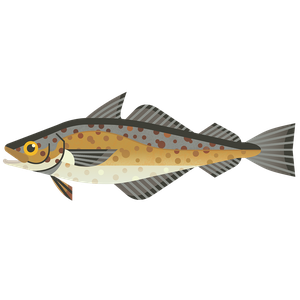
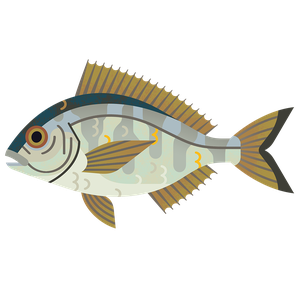
Haddock is a cold-temperate (boreal) species. It is a migratory fish, found in inshore shallow waters in summer and in deep water in winter. Smaller than cod, it can attain a length of 70-100 cm and can live for more than 20 years. It spawns between February and June, but mostly in March and April. In the North Sea, haddock become sexually mature at an age of 3-4 years and a length of 30-40 cm. Maturity occurs later and at greater lengths in more northern areas of its range.
Ratings
Showing 20 results for Haddock
Best Choice
OK - Needs Improvement
Avoid
Under review
Rockall - Wild-caught
Location: All areas
Capture methods: Bottom trawl (otter)
Rockall haddock is abundant and is not being overfished. Some appropriate management measures are in place, but there is no joint management plan between involved parties. Most haddock catches are by otter trawls. Bycatch of cod and whiting in this fishery is likely hindering the recovery of these populations, and there are concerns that trawling is damaging vulnerable marine habitats.Rating last updated July 2025.
Northeast Arctic (Barents and Norwegian Sea) - Wild-caught
Location: All areas
Capture methods: Hook & line (longline)
Northeast Arctic haddock is abundant, but fishing pressure is too high. Some appropriate management measures are in place. Some Arctic haddock is caught by longlining. This method can have a bycatch of endangered seabird species, but the impacts of this are not fully understood. Rating last updated September 2025.
Northeast Arctic (Barents and Norwegian Sea) - Wild-caught
Location: All areas
Capture methods: Bottom trawl (otter)
Northeast Arctic haddock is abundant, but fishing pressure is too high. Some appropriate management measures are in place, however catch limits have been set too high in recent years. Most Arctic haddock catches are by otter trawls, which are likely to cause some damage to the seabed. There are measures to protect habitats and reduce bycatch in this fishery. However, there is unsustainable bycatch of golden redfish, which is of significant concern.Rating last updated September 2025.
Wild-caught
Location: Certified fleets only
Method: Hook & line (longline)
Certification: Marine Stewardship Council (MSC)
More infoFaroes grounds - Wild-caught
Location: Certified fleets only
Capture methods: Hook & line (longline)
Certification: Marine Stewardship Council (MSC)
The Faroes Grounds haddock stock is above target levels and not subject to overfishing. Catches have been within recommended limits in recent years. A new management plan was introduced in 2021. Historically, management measures have been unsuitable for controlling the fishery. Most Faroe haddock is caught by longlining, which can have a bycatch of vulnerable species. Better data is needed to fully understand these impacts.Rating last updated December 2025.
Celtic Seas (southern), English Channel (west) - Wild-caught
Location: Cornwall
Capture methods: Net (gill or fixed)
For more information about this rating please visit: http://www.cornwallgoodseafoodguide.org.uk/fish-guide/haddock.php
Wild-caught
Location: All areas
Method: Bottom trawl (otter)
Certification: Marine Stewardship Council (MSC)
More infoIceland - Wild-caught
Location: All areas
Capture methods: Bottom trawl (otter)
Certification: Marine Stewardship Council (MSC)
Icelandic haddock, is not in an overfished state. However, fishing pressure is too high. There is a management plan in place. Catch limits are generally set in line with scientific advice, but catches regularly exceed them. All Icelandic haddock landed by the Icelandic fleet is MSC certified. Most catches are by otter trawling, which is likely to cause some damage to the seabed. Bycatch is moderate. There are a number of measures in place to mitigate impacts on species and habitats, but more needs to be done to ensure they are effective.Rating last updated July 2022.
Wild-caught
Location: All areas
Method: Net (demersal seine)
Certification: Marine Stewardship Council (MSC)
More infoIceland - Wild-caught
Location: All areas
Capture methods: Net (demersal seine)
Certification: Marine Stewardship Council (MSC)
Icelandic haddock, is not in an overfished state. However, fishing pressure is too high. There is a management plan in place. Catch limits are generally set in line with scientific advice, but catches regularly exceed them. All Icelandic haddock landed by the Icelandic fleet is MSC certified. Some Icelandic haddock catches are by demersal seine, which is unlikely to have significant bycatch or cause damage to the seabed.Rating last updated July 2022.
Wild-caught
Location: All areas
Method: Hook & line (longline)
Certification: Marine Stewardship Council (MSC)
More infoIceland - Wild-caught
Location: All areas
Capture methods: Hook & line (longline)
Certification: Marine Stewardship Council (MSC)
Icelandic haddock, is not in an overfished state. However, fishing pressure is too high. There is a management plan in place. Catch limits are generally set in line with scientific advice, but catches regularly exceed them. All Icelandic haddock landed by the Icelandic fleet is MSC certified. Some haddock is caught by longlining. Longlining can have a bycatch of vulnerable species such as sharks and seabirds. There are a number of measures in place to reduce bycatch, but more needs to be done to ensure they are effective.Rating last updated July 2022.
Wild-caught
Location: Certified fleets only
Method: Bottom trawl (otter)
Certification: Marine Stewardship Council (MSC)
More infoNortheast Arctic (Barents and Norwegian Sea) - Wild-caught
Location: Certified fleets only
Capture methods: Bottom trawl (otter)
Certification: Marine Stewardship Council (MSC)
Northeast Arctic haddock is abundant, but fishing pressure is too high. Some appropriate management measures are in place, however catch limits have been set too high in recent years. Most Arctic haddock catches are by otter trawls, which are likely to cause some damage to the seabed. There are measures to protect habitats and reduce bycatch in this fishery. However, there is unsustainable bycatch of golden redfish, which is of significant concern. Much of this fishery is MSC-certified.Rating last updated September 2025.
Wild-caught
Location: Certified fleets only
Method: Hook & line (longline)
Certification: Marine Stewardship Council (MSC)
More infoNortheast Arctic (Barents and Norwegian Sea) - Wild-caught
Location: Certified fleets only
Capture methods: Hook & line (longline)
Certification: Marine Stewardship Council (MSC)
Northeast Arctic haddock is abundant, but fishing pressure is too high. Some appropriate management measures are in place. Some Arctic haddock is caught by longlining. This method can have a bycatch of endangered seabird species, but the impacts of this are not fully understood. Much of this fishery is MSC-certified.Rating last updated September 2025.
North Sea, West of Scotland, Skagerrak - Wild-caught
Location: All areas
Capture methods: Hook & line (longline)
Haddock in the North Sea, West of Scotland, and Skagerrak is not overfished and not subject to overfishing. Management is following scientific advice, and catches are in line with management measures. However, there are some concerns about discarding of unwanted fish. A small amount of haddock in this area is caught by longlining. Longlining can have a bycatch of species such as seabirds.Rating last updated August 2024
North Sea, West of Scotland, Skagerrak - Wild-caught
Location: All areas
Capture methods: Net (demersal seine)
Haddock in the North Sea, West of Scotland, and Skagerrak is not overfished and not subject to overfishing. Management is following scientific advice, and catches are in line with management measures, although discards are high. Some haddock catches are by demersal seine, which could have a bycatch of North Sea cod.Rating last updated August 2024.
North Sea, West of Scotland, Skagerrak - Wild-caught
Location: All areas
Capture methods: Bottom trawl (otter)
Haddock in the North Sea, West of Scotland, and Skagerrak is not overfished and not subject to overfishing. Management is following scientific advice, and catches are in line with management measures, although discards are high. Most haddock catches are by otter trawls, which are likely to cause some damage to the seabed. Bycatch is moderate and may include vulnerable species such as blue and flapper skate, and cod.Rating last updated August 2024.
Celtic Seas (southern), English Channel (west) - Wild-caught
Location: All areas
Capture methods: Bottom trawl (otter)
Haddock in the Southern Celtic Seas and English Channel is subject to overfishing and is being overfished. Management requires some improvement as catch limits have exceeding advice most recently. Most haddock in this area are caught by otter trawl which can damage the seabed. Bycatch is a concern here, especially of cod and whiting.Rating last updated September 2025.
Celtic Seas (southern), English Channel (west) - Wild-caught
Location: All areas
Capture methods: Bottom trawl (beam)
Haddock in the Southern Celtic Seas and English Channel is subject to overfishing and is being overfished. Management requires some improvement as catch limits have exceeding advice most recently. Some Celtic haddock is caught by beam trawls. Beam trawls have significant impacts on the seabed, including damage to vulnerable marine habitats.Rating last updated September 2025.
Irish Sea - Wild-caught
Location: All areas
Capture methods: Bottom trawl (otter)
Irish Sea haddock are not overfished or subject to overfishing. There is no management plan for Irish Sea haddock, but a number of measures are in place. The stock is in a good state, but discards are relatively high. Haddock in this area is mainly caught by trawlers. There is a potential for damage to the seabed by trawling. There is also bycatch of Irish Sea cod, which is at low levels, although management measures are in place to reduce this.Rating last updated August 2024.
Wild-caught
Location: Certified fleets only
Method: Bottom trawl (otter)
Certification: Marine Stewardship Council (MSC)
More infoNorth Sea, West of Scotland, Skagerrak - Wild-caught
Location: Certified fleets only
Capture methods: Bottom trawl (otter)
Certification: Marine Stewardship Council (MSC)
Haddock in the North Sea, West of Scotland, and Skagerrak is not overfished and not subject to overfishing. Management is following scientific advice, and catches are in line with management measures, although discards are high. Part of the fishery is MSC certified, but the certification is conditional on improving management. Most haddock catches are by otter trawls, which are likely to cause some damage to the seabed. Bycatch is moderate and may include vulnerable species such as blue and flapper skate, and cod. In the certified component of the fishery, vessels have implemented measures to improve monitoring and reduce bycatch.Rating last updated August 2024.
Wild-caught
Location: Certified fleets only
Method: Net (demersal seine)
Certification: Marine Stewardship Council (MSC)
More infoNorth Sea, West of Scotland, Skagerrak - Wild-caught
Location: Certified fleets only
Capture methods: Net (demersal seine)
Certification: Marine Stewardship Council (MSC)
Haddock in the North Sea, West of Scotland, and Skagerrak is not overfished and not subject to overfishing. Management is following scientific advice, and catches are in line with management measures, although discards are high. Part of the fishery is MSC certified, but the certification is conditional on improving management. Some haddock catches are by demersal seine, which is unlikely to have significant bycatch or cause damage to the seabed.Rating last updated August 2024.
Irish Sea - Wild-caught
Location: All areas
Capture methods: Net (pelagic trawl)
Irish Sea haddock is not overfished and not subject to overfishing. There is no management plan for Irish Sea haddock, but a number of measures are in place. The stock is in a good state, but discards are relatively high. Some haddock in this area are caught by midwater trawling, which has low levels of bycatch and is unlikely to affect the seabed.Rating last updated July 2022
Wild-caught
Location: Certified fleets only
Method: Bottom trawl (otter)
Certification: Marine Stewardship Council (MSC)
More infoRockall - Wild-caught
Location: Certified fleets only
Capture methods: Bottom trawl (otter)
Certification: Marine Stewardship Council (MSC)
The population of haddock in Rockall is abundant and is not being overfished. Some appropriate management measures are in place. Most haddock catches are by otter trawls. In this area, there are concerns that trawling could be affecting vulnerable marine habitats. Bycatch may include vulnerable species such as blue and flapper skate and cod. The certified fishery has implemented additional measures to address compliance and habitat impacts.Rating last updated July 2023
Sustainable swaps
Haddock
Quickly check the sustainability of your fish or seafood with our step-by-step tool.
Find your fish or seafoodLearn more about how we calculate our sustainability ratings.
How our ratings work
