

Good Fish Guide
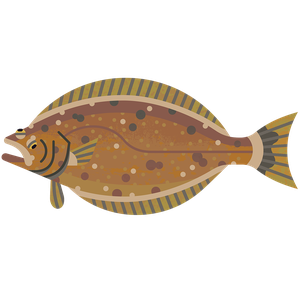
Plaice
(Pleuronectes platessa)
Overview
Plaice is a bottom-dwelling flatfish. It spawns in the early months of the year (January to March) and sometimes makes long spawning migrations. North Sea plaice reach between 35 and 45 cm in their 6th year. It is a long-lived species, becoming sexually mature at 3-7 years (females) 2-6 (males) and living 30 years or more. Maximum reported age 50 years.
Ratings
Showing 17 results for Plaice
Best Choice
OK - Needs Improvement
Avoid
English Channel (East) - Wild-caught
Location: All areas
Capture methods: Bottom trawl (otter)
Default red rating: The Eastern English Channel plaice stock is below safe biological limits. Therefore, it receives a critical fail for stock status and is a default red rating.Last updated: July 2025
English Channel (East) - Wild-caught
Location: All areas
Capture methods: Bottom trawl (beam)
Default red rating: The Eastern English Channel plaice stock is below safe biological limits. Therefore, it receives a critical fail for stock status and is a default red rating.Last updated: July 2025
North Sea, Skagerrak - Wild-caught
Location: All areas
Capture methods: Electrical fishing (pulse trawl)
Updated: July 2021.Whilst the stock in this area in a healthy state, fishing with beam trawl using electrical pulse current in UK waters is prohibited by law as of 1st July 2021. Therefore, any species caught by pulse trawl after this date have been caught illegally, leading to a default red-rating.
Under review
English Channel (West) - Wild-caught
Location: All areas
Capture methods: Bottom trawl (beam)
Plaice in the Western English Channel is currently fished at sustainable levels, but a new advice method highlights that stock biomass is below sustainable levels. There is no management plan in place for this fishery, but there are some measures in place. Beam trawls have significant impacts on the seabed, including damage to benthic communities and vulnerable marine habitats. They can also have high bycatch, potentially of vulnerable species.Last updated: July 2025
English Channel (West) - Wild-caught
Location: All areas
Capture methods: Bottom trawl (otter)
Plaice in the Western English Channel is currently fished at sustainable levels, but a new advice method highlights that stock biomass is below sustainable levels. There is no management plan in place for this fishery, but there are some measures in place. Otter trawling is likely to cause some damage to the seabed. Bycatch is moderate and may include vulnerable species.Last updated: July 2025
English Channel (West) - Wild-caught
Location: All areas
Capture methods: Net (gill or fixed)
Plaice in the Western English Channel is currently fished at sustainable levels, but a new advice method highlights that stock biomass is below sustainable levels. There is no management plan in place for this fishery, but there are some measures in place. Gillnets in this area can encounter bycatch of non-target fish, mammals and birds. This includes the harbour porpoise which is vulnerable in Europe.Last updated: July 2025
Irish Sea - Wild-caught
Location: All areas
Capture methods: Bottom trawl (beam)
Irish Sea plaice are harvested sustainably but there is concern for biomass stock. There is no management plan in place for this stock. There are some measures but more must be done to reduce discards. Beam trawls have significant impacts on the seabed, including damage to benthic communities and vulnerable marine habitats. They can also have high bycatch, potentially of vulnerable species. In the Irish Sea, there is concern over levels of bycatch of the vulnerable cod and whiting stocks.Last updated: July 2025
Irish Sea - Wild-caught
Location: All areas
Capture methods: Bottom trawl (otter)
Irish Sea plaice are harvested sustainably but there is concern for biomass stock. There is no management plan in place for this stock. There are some measures but more must be done to reduce discards. Otter trawling is likely to cause some damage to the seabed. In the Irish Sea, there is concern over levels of bycatch of the vulnerable cod and whiting stocks.Last updated: July 2025
North Sea, Skagerrak - Wild-caught
Location: All areas
Capture methods: Bottom trawl (otter)
The stock of plaice in the North Sea and Skagerrak is considered underfished but remains harvested at sustainable levels. There is no management plan for North Sea plaice, and discard rates remain high. However, some measures are in place and have successfully recovered the stock. Total Allowable Catches (TACs) currently follow ICES' MSY-based approach. Otter trawls are likely to cause some damage to the seabed. Bycatch is moderate, but can include vulnerable species such as North Sea cod.Rating last updated October 2025.
North Sea, Skagerrak - Wild-caught
Location: All areas
Capture methods: Bottom trawl (beam)
The stock of plaice in the North Sea and Skagerrak is considered underfished but remains harvested at sustainable levels. There is no management plan for North Sea plaice, and discard rates remain high. However, some measures are in place and have successfully recovered the stock. Total Allowable Catches (TACs) currently follow ICES' MSY-based approach. Beam trawls have significant impacts on the seabed, including damage to benthic communities and vulnerable marine habitats. They can also have high bycatch, potentially of vulnerable species, including North Sea cod.Rating last updated October 2025.
Celtic Sea, Bristol Channel - Wild-caught
Location: Cornwall
Capture methods: Net (gill or fixed)
For more information about this rating please visit: https://www.cornwallgoodseafoodguide.org.uk/fish-guide/plaice.php
Celtic Sea, Bristol Channel - Wild-caught
Location: All areas
Capture methods: Bottom trawl (otter)
There is concern for biomass and fishing pressure of plaice in the Celtic Sea and Bristol Channel. There is no management plan for this stock, but some measures are in place which are only partly effective. Discarding is high. Otter trawling is likely to cause some damage to the seabed. Bycatch is moderate and may include vulnerable species.Rating last updated July 2024.
Celtic Sea, Bristol Channel - Wild-caught
Location: All areas
Capture methods: Bottom trawl (beam)
There is concern for biomass and fishing pressure of plaice in the Celtic Sea and Bristol Channel. There is no management plan for this stock, but some measures are in place which are only partly effective. Discarding is high. Beam trawls have significant impacts on the seabed, including damage to benthic communities and vulnerable marine habitats. They can also have high bycatch, potentially of vulnerable species.Rating last updated July 2024.
Celtic Sea South, southwest of Ireland - Wild-caught
Location: All areas
Capture methods: Bottom trawl (otter)
Updated: July 2021.This is a data limited stock and no reference points are available. The stock has been in a poor state since 2002, and fishing mortality has been above sustainable levels since 1993. There is no recovery plan to return the stock to sustainable levels and current management measures are not enough to recover the stock. Plaice are taken as a minor bycatch in a mixed fishery with sole. Otter trawlers interact with the seabed and can modify bottom topography and cause damage and removal of some biogenic features including vulnerable marine habitats and benthic communities. In the Eastern Channel, scars related to bottom trawling are difficult to identify due to predominant sandy sediments. Otter trawls can also encounter occasional bycatch of vulnerable species.
Celtic Sea South, southwest of Ireland - Wild-caught
Location: All areas
Capture methods: Bottom trawl (beam)
Updated: July 2021.This is a data limited stock and no reference points are available. The stock has been in a poor state since 2002, and fishing mortality has been above sustainable levels since 1993. There is no recovery plan to return the stock to sustainable levels and current management measures are not enough to recover the stock. Plaice are taken as a minor bycatch in a mixed fishery with sole. Beam trawling, which mostly operates on muddy seabeds, can have a high impact on benthic habitats and may catch endangered, threatened and protected (ETP) species.
Baltic Sea (East) (Subdivisions 24-32) - Wild-caught
Location: All areas
Capture methods: Bottom trawl (otter)
Updated: July 2020.
This stock is at a healthy level and fishing pressure is within sustainable limits. There are no reference points for this stock and proxies are used instead, therefore the assessment is indicative of trends only. There is no direct management plan for plaice in the Baltic Sea, but it is recognised in the Baltic multiannual plan (MAP) as a bycatch species. The MAP empowers member states & the European Commission to adopt measures to maintain bycatch stocks at healthy levels according to the best available science. The main concern is the level of discarding, which can be as much as 100% in some cases (when plaice is bycaught in the cod fishery). This is despite the Landing Obligation, and indicates poor levels of compliance and enforcement.
Baltic Sea (East) (Subdivisions 24-32) - Wild-caught
Location: All areas
Capture methods: Net (gill or fixed)
Updated: July 2020.
This stock is at a healthy level and fishing pressure is within sustainable limits. There are no reference points for this stock and proxies are used instead, therefore the assessment is indicative of trends only. There is no direct management plan for plaice in the Baltic Sea, but it is recognised in the Baltic multiannual plan as a bycatch species. The MAP which empowers member states & the European Commission to adopt measures to maintain bycatch stocks at healthy levels according to the best available science. The main concern is the level of discarding, which can be as much as 100% in some cases (when plaice is bycaught in the cod fishery). This is despite the Landing Obligation, and indicates poor levels of compliance and enforcement. Gillnetting in the Baltic Sea is likely to be adversely affecting the critically endangered central Baltic Sea harbour porpoise population.
Sustainable swaps
Plaice
Quickly check the sustainability of your fish or seafood with our step-by-step tool.
Find your fish or seafoodLearn more about how we calculate our sustainability ratings.
How our ratings work
