

Good Fish Guide
Swordfish
(Xiphias gladius)
Overview
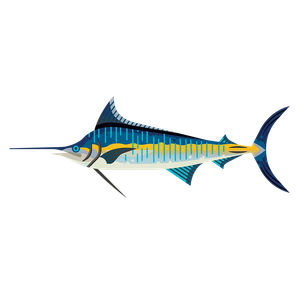
Swordfish is the only member of the family Xiphiidae. It is a highly migratory species, moving towards temperate or cold waters in summer to feed and returning to warmer waters to spawn. They are apex predators that feed opportunistically. Squids and fishes are major prey items. In the Atlantic, spawning takes place in spring in the southern Sargasso Sea. In the Pacific, spawning occurs during spring and summer, and in the Mediterranean between June-August. Usually solitary, it forms large schools during spawning. A fast growing fish, northern hemisphere swordfish begin to mature at two years of age, when they are about 150 to 170 cm in length, and by age four all are mature. In the South-West Pacific Ocean however, age at maturity is much later at about 10years for females (1-2yr for males).They can attain a maximum size of 4.5m and a weight of 650kg. Swordfish tolerate temperatures of about 5 to 27C, but their optimum range is about 18 to 22C, and larvae have been found only at temperatures exceeding 24C.
Ratings
Showing 13 results for Swordfish
Best Choice
OK - Needs Improvement
Avoid
South East Pacific - Wild-caught
Location: All areas
Capture methods: Net (gill or fixed)
Around one fifth of swordfish catches in the Eastern Pacific Ocean are by gillnetting. This receives a default red rating owing to the very high levels of bycatch.Rating last updated: December 2022
South West Pacific - Wild-caught
Location: All areas
Capture methods: Net (gill or fixed)
A small amount of swordfish in the south west Pacific Ocean is caught by gillnetting. This receives a default red rating owing to the very high levels of cetacean and turtle bycatch.Rating last updated January 2022.
Under review
South East Pacific - Wild-caught
Location: All areas
Capture methods: Hook & line (longline)
Not enough is known about the swordfish stock in the South East Pacific Ocean. Abundance seems to be increasing, but so are catches, which are the highest on record. There is no management plan or catch limit to protect the species. Most swordfish is caught by longlining. This fishing method is one of the main causes of the decline in the critically endangered SE Pacific leatherback turtle.Rating last updated: December 2022
South East Pacific - Wild-caught
Location: All areas
Capture methods: Harpoon
Not enough is known about the swordfish stock in the South East Pacific Ocean. Abundance seems to be increasing, but so are catches, which are the highest on record. There is no management plan or catch limit to protect the species. A very small amount of swordfish is caught by harpoon, which is a very selective method of fishing with minimal impact on the marine ecosystem.Rating last updated: December 2022
South Atlantic - Wild-caught
Location: All areas
Capture methods: Hook & line (longline)
The abundance of swordfish in the south Atlantic Ocean is too low, and fishing pressure is slightly too high. Management has reduced catches to rebuild the stock. However, there are some uncertainties in the catch data, and monitoring and enforcement needs to be improved. Almost all swordfish catches in the south Atlantic are by longline, which bycatches highly vulnerable species such as sharks, turtles, and seabirds.Rating last updated January 2023.
Mediterranean - Wild-caught
Location: All areas
Capture methods: Hook & line (longline)
The swordfish stock in the Mediterranean is overfished but not subject to overfishing. A recovery plan came into force for this stock in 2017. It has successfully reduced catches, but there are still uncertainties in the catch data. Monitoring and enforcement needs to be improved, and juvenile catches need to be reduced. Almost all swordfish catches from the Mediterranean are by longline. This method can have a bycatch of highly vulnerable species. Of greatest concern in the Mediterranean are the critically endangered Balearic shearwater and blue shark.Commercial buyers should establish what measures the flag state and fleet relating to their source is taking to reduce impacts to and improve reporting of interactions with vulnerable species. Large buyers should consider supporting such improvements. MCS also advocates specifying the need for vessels, in particular purse seiners, to register on the ISSF Proactive Vessel Register.Rating last updated December 2021.
South West Pacific - Wild-caught
Location: All areas
Capture methods: Hook & line (longline)
Swordfish in the south west Pacific Ocean is not overfished and not subject to overfishing. Few appropriate management measures are in place. Management measures only cover part of the fishery, and do not prevent overexploitation. Observer coverage, which is important for ensuring accurate data on catch and bycatch, is too low. Most swordfish catches in the western and central north Pacific Ocean are by longlining. While longlining is unlikely to have habitat impacts, it can have a bycatch of highly vulnerable and endangered species, including sharks, turtles, and seabirds.Commercial buyers should establish what measures the flag state and fleet relating to their source is taking to reduce impacts to and improve reporting of interactions with vulnerable species. Large buyers should consider supporting such improvements.Rating last updated January 2022.
Wild-caught
Location: Certified fleets only
Method: Hook & line (longline)
Certification: Marine Stewardship Council (MSC)
More infoSouth West Pacific - Wild-caught
Location: Certified fleets only
Capture methods: Hook & line (longline)
Certification: Marine Stewardship Council (MSC)
Swordfish in the south west Pacific Ocean is not overfished and not subject to overfishing. Management of MSC-certified south west Pacific Ocean swordfish fisheries includes catch limits, harvest strategies, and comprehensive monitoring. Swordfish catches in the certified south west Pacific Ocean fisheries are by longlining. There can by bycatch of vulnerable species, including sharks, turtles, and seabirds, but these fisheries are taking extra measures to reduce this.Rating last updated January 2022.
North Atlantic - Wild-caught
Location: All areas
Capture methods: Hook & line (longline)
The swordfish stock in the North Atlantic Ocean is abundant and not subject to overfishing. Management of the stock seems to be maintaining it at sustainable levels, and catches stay within their limits. However, there are some uncertainties in the catch data, and monitoring and enforcement needs to be improved. Almost all swordfish catches in the north Atlantic are by longline, which has a bycatch of highly vulnerable species such as sharks, turtles, and seabirds.Rating last updated January 2023.
Indian Ocean - Wild-caught
Location: All areas
Capture methods: Hook & line (longline)
The swordfish stock in the Indian Ocean is abundant and not subject to overfishing. Few appropriate management measures are in place for Indian Ocean swordfish, and monitoring and enforcement needs to be improved. Most swordfish catches from the Indian Ocean are by longline. While longlining is unlikely to have habitat impacts, it can have a bycatch of highly vulnerable species such as sharks, turtles, and seabirds.Commercial buyers should establish what measures the flag state and fleet relating to their source is taking to reduce impacts to and improve reporting of interactions with vulnerable species. Large buyers should consider supporting such improvements. MCS also advocates specifying the need for vessels, in particular purse seiners, to register on the ISSF Proactive Vessel Register.Rating last updated January 2024.
Wild-caught
Location: Certified fleets only
Method: Hook & line (longline)
Certification: Marine Stewardship Council (MSC)
More infoNorth Atlantic - Wild-caught
Location: Certified fleets only
Capture methods: Hook & line (longline)
Certification: Marine Stewardship Council (MSC)
The swordfish stock in the North Atlantic Ocean is abundant and not subject to overfishing. Management of the stock seems to be maintaining it at sustainable levels, and catches stay within their limits. However, there are some uncertainties in the catch data, and monitoring and enforcement needs to be improved. Almost all swordfish catches in the north Atlantic are by longline, which bycatches highly vulnerable species such as sharks, turtles, and seabirds. Parts of this fishery are Marine Stewardship Council-certified, and have taken steps to address these issues.Rating last updated January 2023.
North Pacific - Wild-caught
Location: All areas
Capture methods: Hook & line (longline)
Swordfish in the western central north Pacific Ocean is not overfished and not subject to overfishing. Few appropriate management measures are in place to prevent overexploitation in future. Most swordfish is caught by longlining, which bycatches highly vulnerable and endangered species, including sharks, turtles, and seabirds.Commercial buyers should establish what measures the flag state and fleet relating to their source is taking to reduce impacts to and improve reporting of interactions with vulnerable species. Large buyers should consider supporting such improvements.Rating last updated January 2024.
North East Pacific - Wild-caught
Location: All areas
Capture methods: Hook & line (longline)
The swordfish stock in the north east Pacific Ocean is thought not to be overfished and not subject to overfishing, but is not regularly assessed and there is some uncertainty in this. Few appropriate management measures are in place for north east Pacific Ocean swordfish. There is no management plan and no recent stock assessment to ensure that overexploitation is not taking place. Observer coverage, which is important for ensuring data on catch and bycatch is accurate, is too low. Most swordfish catches in the Eastern Pacific Ocean are by longlining. Longlining can have a bycatch of highly vulnerable species such as seabirds, sharks and turtles.Commercial buyers should establish what measures the flag state and fleet relating to their source is taking to improve the management and mitigate the impacts of this fishery. Large buyers should consider supporting such improvements.Rating last updated January 2022.
Sustainable swaps
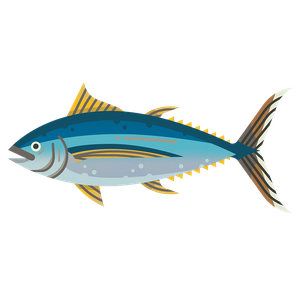
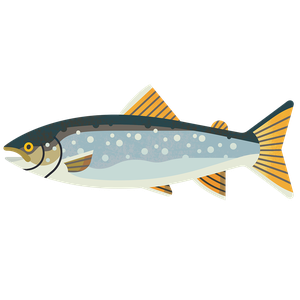
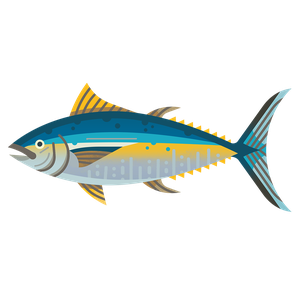
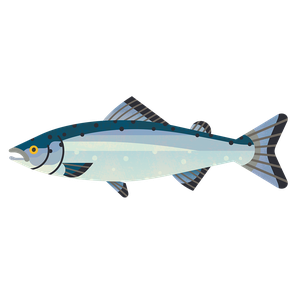
Swordfish
Quickly check the sustainability of your fish or seafood with our step-by-step tool.
Find your fish or seafoodLearn more about how we calculate our sustainability ratings.
How our ratings work
