Wildlife sightings
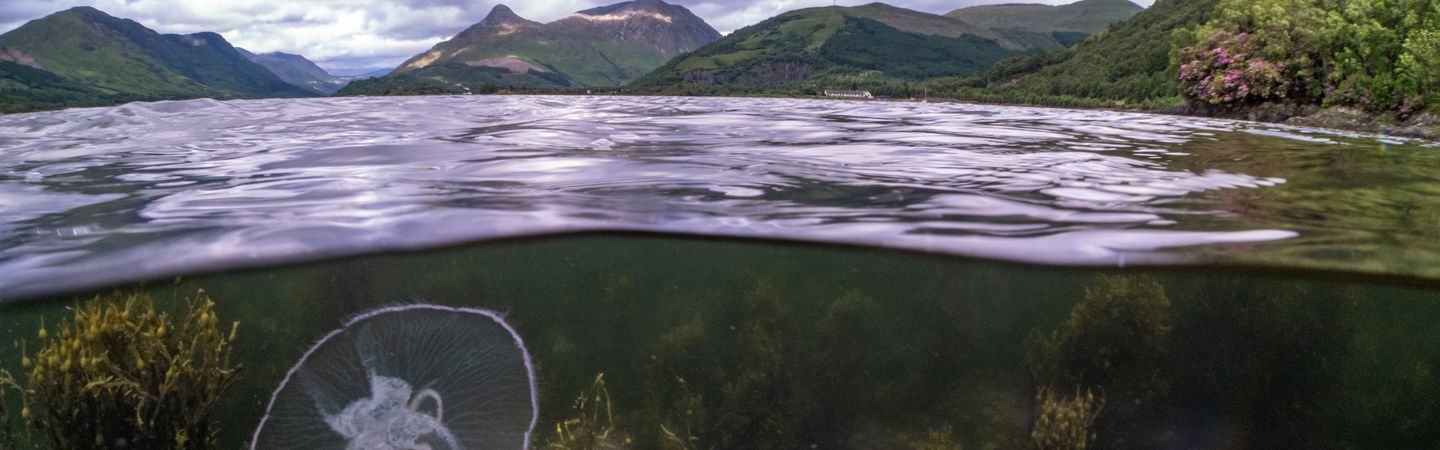
Since 2003, citizen scientists have been reporting jellyfish and turtle sightings in UK waters. This provides our scientists with vital information to learn more about our ocean visitors and protect marine wildlife.
Whether you live by the coast or visit the seaside on your holidays, we want you to tell us every time you spot a jellyfish. Or, if you're lucky enough to spot a turtle, we want to hear about that too. Your sightings provide vital information about our ocean's inhabitants and contributes to scientific research which finds solutions to protect our seas.
It’s really easy to tell us what you have seen, just fill in the online sightings form including where you were and what species you saw. Don’t worry, we’ve made ID guides so you can identify which species you’ve spotted!
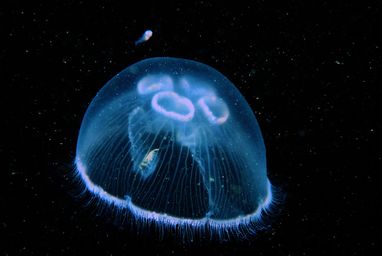
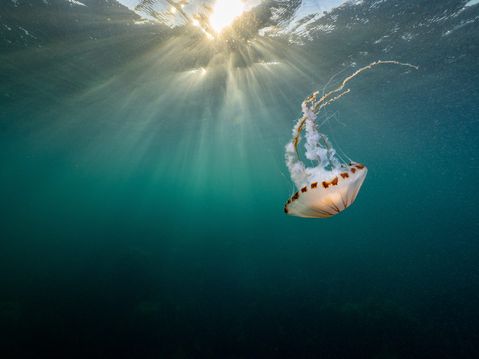
A moon jellyfish | Image credit: Paul Naylor
Jellyfish sightings
Jellyfish are a great indicator of change in our ocean. Check out our jellyfish guide to help you verify what species you saw and report a sighting to us.
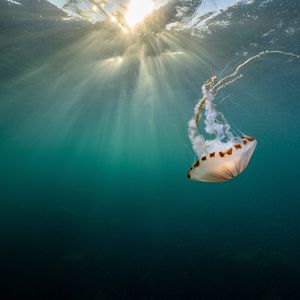
Jellyfish ID
Jellyfish occur throughout UK seas, Here are some top tips and identifying features to help you work out which species you've spotted.
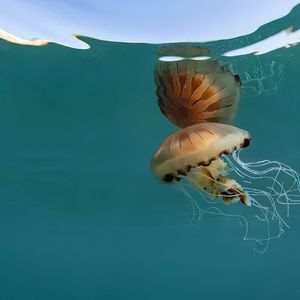
Report a jellyfish sighting
Your sightings contribute to marine research and are essential to monitor jellyfish populations around the UK. Let us know what jellyfish you have seen.
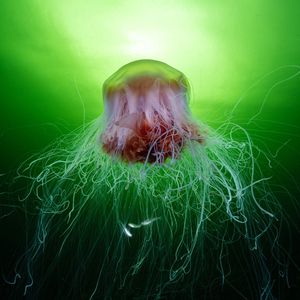
Jellyfish quiz
How well do you know these incredible invertebrates? Put your jellyfish ID skills to the test and learn some fun facts along the way.
Marine turtle sightings
There are six marine turtles that you might see in our waters. Check out our marine turtle guide to help determine which one you saw before reporting it to us.
Make sure to follow the turtle code when seeing a turtle.
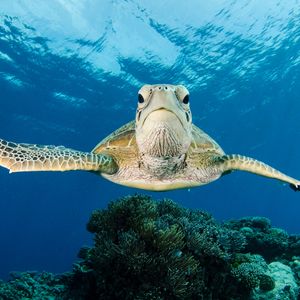
Marine turtle ID
Unsure what turtle you have seen? Our ID guide contains helpful hints and interesting facts.
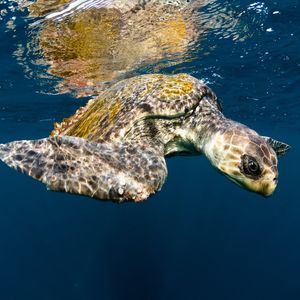
Report a turtle sighting
We're interested in hearing about the marine turtles you spot around the UK & Ireland. Your UK sea turtle sightings are used to gain valuable insights into the health of our ocean.
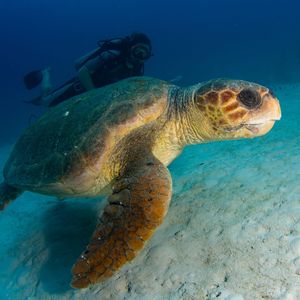
Check the Turtle Code
Make certain you follow our Turtle Code which tells you what to do if you come across a turtle on the shore. It also includes a turtle ID guide.
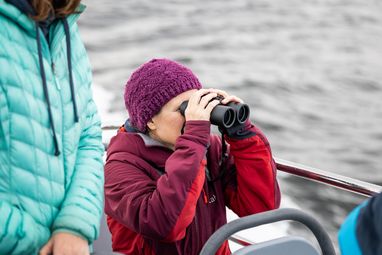
A person looking out to sea with binoculars | Image credit: Paul Campbell
Other citizen science projects to try
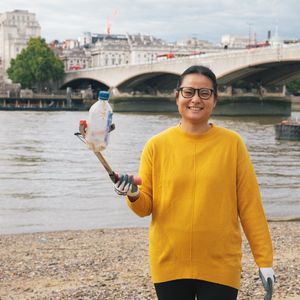
Do an in-land clean
No matter where you live across the UK, you can help keep our seas clean. Most of the litter that ends up on our beaches or in the sea starts its journey in villages, towns and cities miles from the coast.
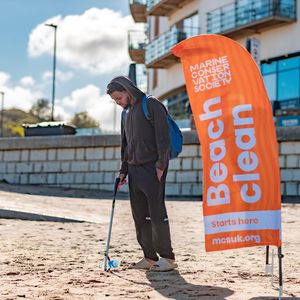
Find a beach clean
Join one of our beach clean surveys and help keep Britain's beaches beautiful and our ocean safe for wildlife.
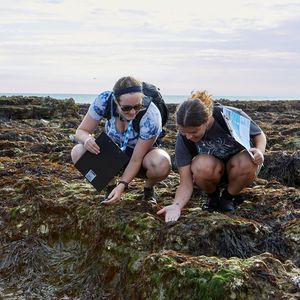
Big Seaweed Search
Help identify, photograph and record 14 key UK seaweed species to help understand the impact of environmental change on our seas.