Black bream
Black bream
(Spondyliosoma cantharus)
Also known as: Porgy, Seabream
Overview
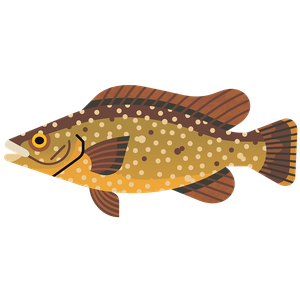
A member of a group of fish known as Sparidae, the black bream is one of two species commonly found in northern European seas. Found off south-west Britain and east Ireland in the English Channel and the Irish Sea. Spawning occurs in April and May in a number of inshore waters, such as the English Channel. Since black bream aggregate to spawn in predictable times and locations, the species can be vulnerable to high pressure from anglers. They are called black bream because they turn a jet black colour when they are courting. Black seabream are unusual in that they are sequential hermaphrodites (undergoing a sex change during their lives), maturing as females at a length of 23cm, then as males at around 30cm. All fish over 40cm are males. The maximum reported age, length and weight are 15 years, 60cm and 1.2kg respectively. They are found over seagrass beds and rocky and sandy bottoms between about 5m to 300m. Black bream lay eggs in a nest that the male has excavated on sand with its tail. The larger the female, the more fecund or more eggs she lays, e.g. a female of 18.5cm will lay aroud 31,000 eggs compared to a female of 33.5cm which lays around to 554,000 eggs. Gregarious, sometimes in large schools but the males can also be very aggressive when they are protecting the nests. Omnivorous, feeding on seaweeds and small invertebrates, especially crustaceans. Likely predators on black bream eggs are clawed crustaceans. Adult black bream have few predators, however a few are likely to be taken by seabirds and marine mammals.
Ratings
Showing 15 results for Black bream