

Marine planning for nature
UK seas contain a rich variety of species and habitats, from basking sharks and sea slugs to pink sea fans and cold-water coral reefs. Although their waters seem vast, they’re in fact increasingly busy.
With marine species and habitats already struggling, it's crucial that the amount and type of human activity is managed, and that ecosystems are given the space they need to recover. Marine planning sets priorities and direction for development, ensures that marine resources are used sustainably and can help to protect and regenerate marine ecosystems by directing activity away from important species and habitats. Therefore, protecting nature both within and outside Marine Protected Areas.
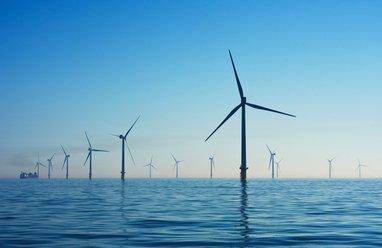
Image credit: Nicholas Doherty
We’re calling for marine planning frameworks to be more:
- Spatial – directing activity to the least environmentally-sensitive areas and safeguarding at risk areas for nature recovery
- Holistic – considering the needs of, and impacts from, all activities together, rather than in isolation
- Strategic – including mechanisms to prioritise between different activities and targets and managing pressures to ensure that the marine environment recovers
What we’re currently doing
We’re feeding into the development of the English East Marine Plans by the Marine Management Organisation to advocate for more spatially prescriptive and nature positive policies to be included. The final consultation will be taking place mid-late 2026.
In Wales, we commissioned a report from Howell Marine Consulting to identify opportunities for marine planning to support the Welsh Government in delivering its marine environmental commitments. The Welsh Government has since taken forward several of the report’s recommendations.
We helped secure the Marine (Scotland) Act 2010, and a Ministerial duty within Scotland to deliver the first National Marine Plan; we’re now working with conservation partners to ensure the National Marine Plan 2.0 is even better than the first, with the regeneration of nature forming a core policy and aim.
Although the Act includes the powers to establish Regional Marine Plans, so far only one has been adopted while two more are in development. We’re helping to shape the plan for the Firth of Clyde, including policies that boost ocean recovery, and will continue to push for plans covering the remaining eight Scottish Marine Regions.
You might also be interested in...
Fisheries and aquaculture
How does seafood get from the ocean to our plates? We dive in to the difference between fishing and fisheries, fish farming and fishing methods.
Marine Protected Areas (MPAs)
Underwater nature reserves, commonly called Marine Protected Areas (MPAs), act as sanctuaries for rare or threatened animals, plants and landscapes. These habitats are a vital tool in safeguarding our ocean's future.

Choosing sustainable seafood
The impact of unsustainable seafood on our ocean is frightening. The good news is, you can do something about it. Our Good Fish Guide is here to help you make ocean-friendly choices.

