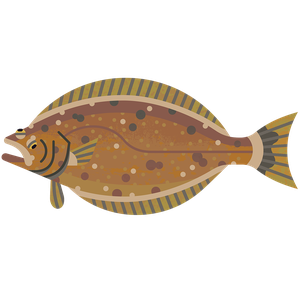
Dover sole
What to check for
Location
English Channel (West)
Technical location
Atlantic, Northeast, English Channel (West)
Caught by
Bottom trawl (beam)
Rating summary
Western English Channel sole is in a good state, and fishing mortality is at sustainable levels. There is no management plan in place for this fishery but some measures are in place, and total allowable catch (TAC) is generally set in line with scientific advice. This fishery has a low level of discarding of unwanted fish. In terms of bycatch, plaice is also caught in this fishery and the minimum mesh size is not matched to the lower size limit for plaice, leading to a large number of plaice being discarded. Beam trawls have significant impacts on the seabed, including damage to benthic communities and vulnerable marine habitats. They can also have high bycatch, potentially of vulnerable species.Rating last updated July 2024.
Technical consultation summary
Western English Channel sole biomass is in a good state and fishing pressure is below FMSY. There is no management plan in place for this fishery but some measures are in place, including effort and mesh restrictions. Total allowable catch (TAC) is generally set in line with scientific advice, and there are technical measures such as limits to the number of days at sea for beam trawlers and static nets and a minimum mesh size of 80mm for towed gears. This fishery has a low level of discarding of unwanted fish. In terms of bycatch, plaice is also caught in this fishery and the minimum mesh size is not matched to the lower size limit for plaice, leading to a large number of plaice being discarded. Beam trawls have significant impacts on the seabed, including damage to benthic communities and vulnerable marine habitats. They can also have high bycatch, potentially of vulnerable species.