Recycling logos debunked

27 Jan 2026

0 minute read

So many recycling logos, but what do they all mean? We're here to break them down to help you understand what waste items can be recycled.
Mobius loop

This one is commonly used and simply means that the packaging is recyclable. Sometimes there’ll be a % in the centre - this indicates the percentage of recycled material used in the packaging.

Widely recycled

The packaging can be recycled with most local authorities (75% or more collect, sort and process the material to be recycled).

Check local recycling

The packaging is collected, sorted and processed by between 20-75% of local authorities. It’s best to check with your local authority first before recycling - you can normally find this on their website.

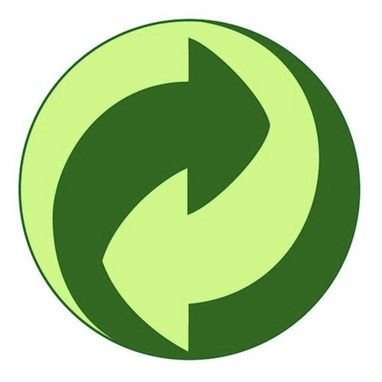
Green dot

This logo can be misleading, as it does not mean that the packaging can necessarily be recycled. It simply indicates that the producer of the packaging has made a financial contribution towards the recovery and recycling of packaging in Europe.

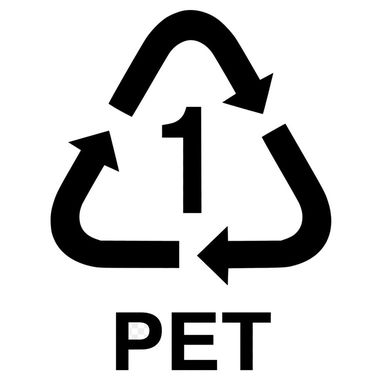
Plastic resin code (PET Packaging)

This symbol appears on packaging made from plastic resin, and is numbered 1-7 to indicate which one it contains. Numbers 1,2 & 5 are most recyclable, whilst 3,6 & 7 are very difficult to recycle. Number 4 can be recycled at specialist points, so best to check if there are any near you.

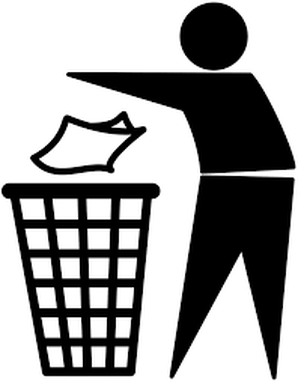
Tidyman 

This symbol simply encourages people to dispose of their rubbish correctly. It does not mean that the packaging can be recycled.

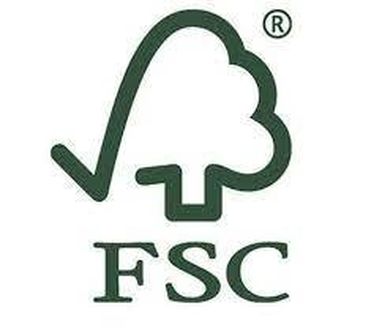
Forest certified

The packaging made from paper, card, or wood, has come from forests that are well managed and certified by The Forest Stewardship Council (FSC). Paper, card and wood can be recycled - check your local authority to see how your area collects them.

Aluminium

The item is made from recyclable aluminium. When recycling aluminium foil, make sure it's clean and roll it into a ball - the bigger the ball, the easier it is to recycle.

Compostable/Seedling

This logo means that the packaging is industrially compostable, so it cannot be recycled, as it will break down. This packaging should go into your food caddy or garden waste bin, as your local council can compost it. It cannot be composted in your own compost heap at home.

Test Author

27 Jan 2026