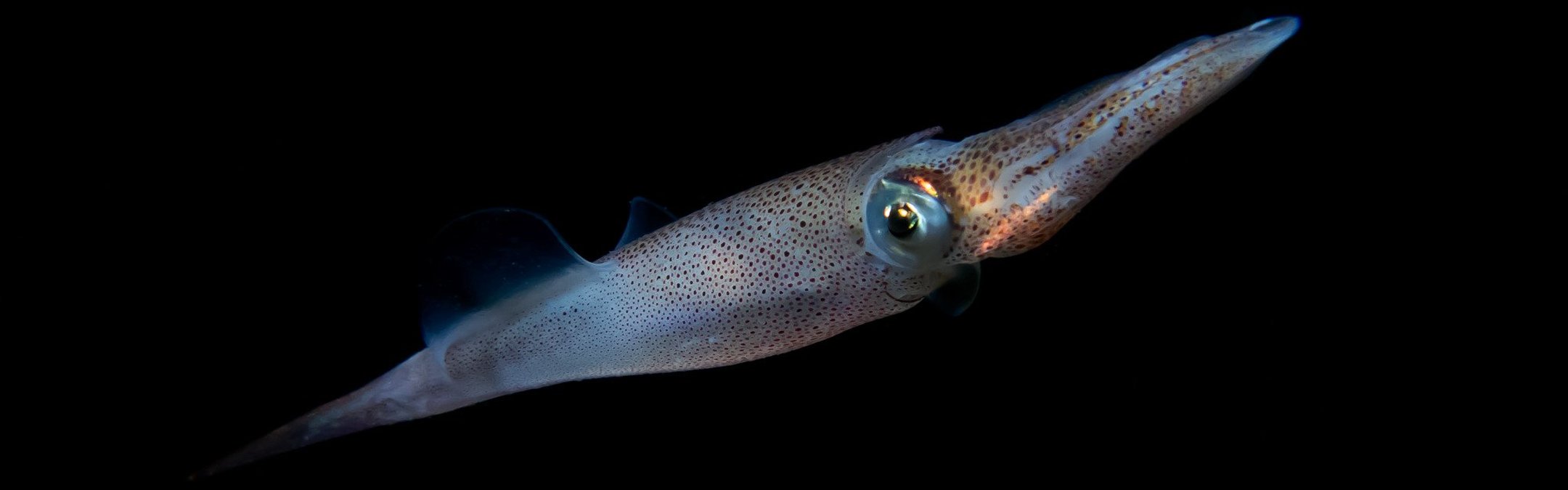
A close up of a squid. It is almost completely translucent. The background is completely black.

Secondary School lessons

Teach core curriculum topics to your class through ocean exploration. Our lesson plans are activity focused and have been designed for students aged 14-16

    Getting started

    Our downloadable teaching resources have been created for ages 14-16 and are linked directly to science and geography curricula across the UK. Our lessons are designed to inspire, and to help students discover the importance of the ocean for all life on Earth.

    All lessons are activity focused, and the lesson packs for teachers and their associated resources can be displayed on interactive whiteboards or printed out.

    The downloadable packs contain everything you need to teach the lesson, including:

    • Lesson overview with curriculum and subject links, UN Sustainable Development Goals and ocean literacy principles, learning objectives and resources required
    • Lesson plan with background summary, a series of themed activities, extension ideas, reflection questions and suggested follow-up lessons
    • PowerPoint with images to illustrate the subject and activity themes for students. Contains full teachers' notes
    • fact file providing background information for educators
    • Worksheets for students
    • Full curriculum links for KS3/4 (England), Progression Steps 4/5 (Wales) and Third/Fourth level Senior phase (Scotland).
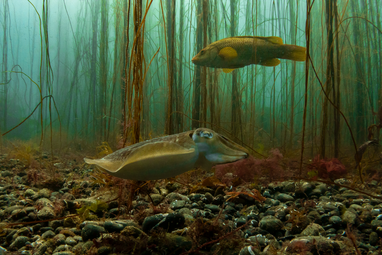
    1. Biodiversity

    The UK is home to an incredible array of marine wildlife.

    In this lesson, students will learn about some of the key habitats and species living in our coastal seas and how they are all interlinked.

    Dowload the Biodiversity PowerPoint

    Biodiversity Lesson plan
    A cuttlefish swimming close to the seabed with a ballan wrasse swimming above it, Porthkerris Cornwall. The sea is green/blue with weeds in the background, details on the species can't be seen clearly.

    Cuttlefish and Ballan Wrasse  |  Image credit: Georgie Bull
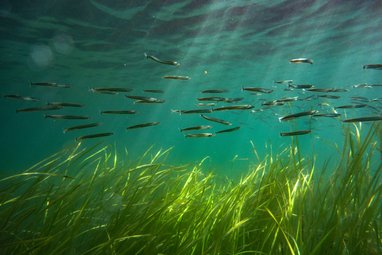
    2. Ecosystem services

    The ocean is vital to our survival.

    From the air we breathe to the food we eat, use this lesson to explore the many crucial services our marine ecosystems provide us.

    Download the Ecosystem services PowerPoint

    Ecosystem services Lesson plan
    Sandeels swim above a seagrass meadow. With shafts of sunlight shining through the water, there's a stunning contrast between the vibrant green seagrass and the clear blue water.

    Sandeels in a seagrass meadow  |  Image credit: Heather Hamilton
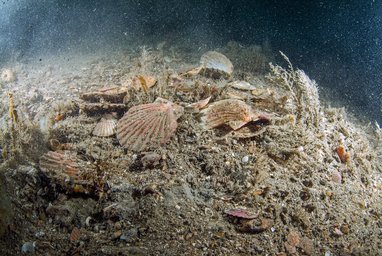
    3. Threats to the ocean

    The ocean's ability to sustain diverse seas and vital ecosystem services is under threat. We are taking too much out of the sea, and putting too much in.

    This lesson gives students an overview of the key threats to our ocean, and highlights ways that we can reduce these threats and recover the health of our ocean.

    Download the Threats to the ocean PowerPoint

    Threats to the ocean Lesson plan
    Empty and broken scallop shells are pictured on the seabed, possibly due to the raking action of dredges in Lyme Bay Scotland

    Empty and broken scallop shells on the seabed  |  Image credit: Colin Munro
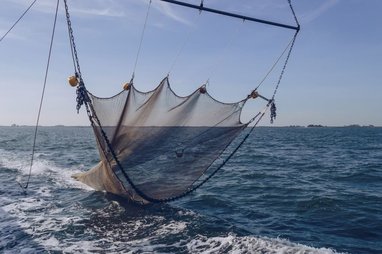
    4. Sustainable fishing

    Our ocean provides livelihoods and food for millions of people.

    To ensure this can continue into the future, we need to make sure our fishing practices are sustainable and non-destructive.

    Download the Sustainable fishing PowerPoint

    Sustainable fishing Lesson plan
    A trawler net is hanging just above the ocean

    Trawler Net on commercial fishing boat  |  Image credit: Anney Lier
    5. Climate change and the ocean

    Our ocean plays a key role in reducing the rate of climate change, but its ability to do this is under threat. Climate change is also altering the natural conditions of our ocean.

    Discover how, with the right protection, the ocean could play a huge role in helping to reduce the effects of climate change.

    Download the Climate change and the ocean PowerPoint 

    Climate change Lesson plan

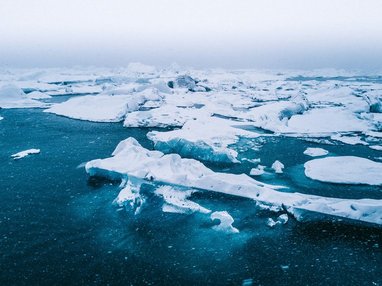
    Arctic ice caps  |  Image credit: Willian Justen de Vasconcellos
    6. Marine pollution

    Marine pollution is diverse, from microfibres shed from clothes and chemicals washed down the sink, to litter reaching our waterways and eventually the ocean.

    This lesson provides an overview of marine pollution in the UK, including the different types of pollution, what happens to pollution once it reaches the ocean and how it's harming marine wildlife.

    Download the Marine pollution PowerPoint 

    Marine pollution Lesson plan

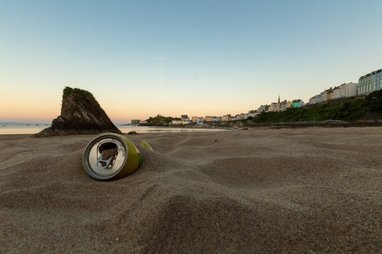
    Can left on the beach  |  Image credit: Luke Manley
    7. Forever chemicals

    Harmful chemicals are polluting the planet, wildlife and impacting our ocean.

    PFAS, or ‘forever chemicals,’ are just one group of ocean poisons, but what are they and what can we do to stop them?

    Forever chemicals Lesson plan
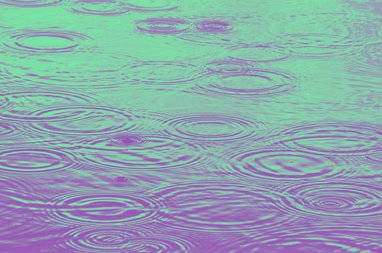
    Raindrops in water with purple and green overlay to represent PFAS/forever chemicals/harmful chemicals

    Raindrops in water with purple and green overlay to represent PFAS/forever chemicals/harmful chemicals  |  Image credit: Thomas Dutour

    Co-funded by the European Union.

    Check out the wildlife A-Z

    Dive in

    Other things of interest