

Plastic pollution
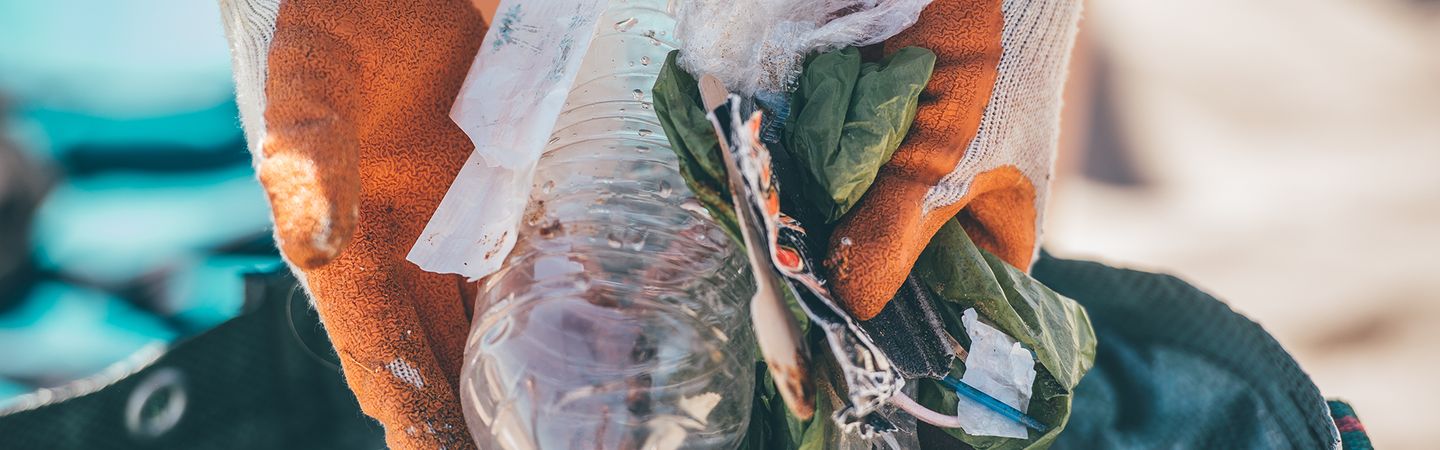
Recent data from our State of our Beaches 2025 report reveals plastic pollution remains persistent across the UK and Channel Islands, making up a whopping 87% of all litter items recorded. All top five items found on beaches in 2025 were made of plastic, and plastic items were recorded on 99.5% of surveyed beaches.
The key types of plastic pollution which affect our ocean are single-use plastics, which range from water bottles to carrier bags, and microplastics which are found in every day products such as cosmetics, clothing and even toothpaste.
The effects of plastic pollution on marine ecosystems
Plastic simply does not belong in our natural environment, especially within marine ecosystems that rely on a balance of processes to both create and break down organic matter. Unlike natural materials, plastic does not decay, it merely continues to break down into smaller and smaller pieces known as microplastics. Once in the environment, microplastics persist indefinitely and are virtually impossible to remove. Alarmingly, these tiny particles have now been detected in our drinking water, within the human gut, and are now widespread throughout our ocean.
There is now irrefutable evidence linking plastic pollution to the health of marine animals, having tragically claimed the lives of countless marine mammals, fish, seabirds and sea turtles.
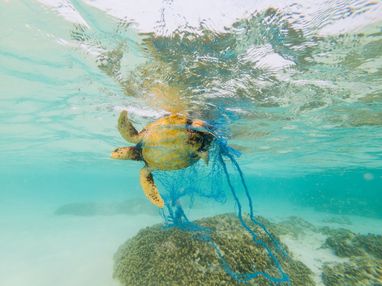
Image credit: Mohamed Abdulraheem
How plastic pollution affects different marine species
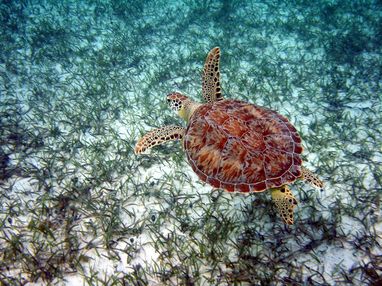
Image credit: Peter Richardson
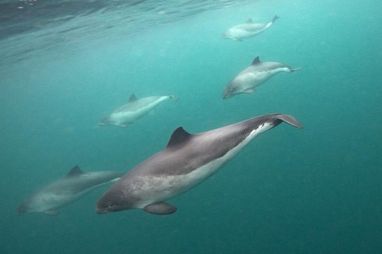
Image credit: Richard Shucksmith
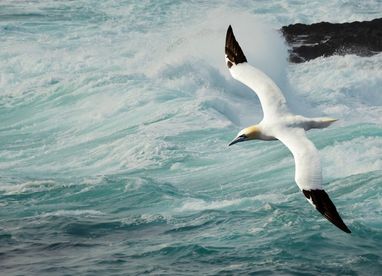
Image credit: Giedriius
Image credit: Ralf Schlegel
Practical ways to reduce plastic pollution in our marine environment
There are many simple changes you can make at home to help tackle the plastic crisis. One of the most important steps is to stop buying single-use plastic. Every purchase adds to the problem, keeping more plastic in circulation. Instead, opt for sustainable alternatives: have milk delivered in glass bottles, choose plastic-free sanitary products, and never flush these items down the toilet.
Small changes can make a big difference in reducing plastic pollution and protecting our environment.
The next step in reducing plastic waste is to prioritise reuse and recycling. Wash and repurpose glass jars and bottles, using them for storage or refills. Take advantage of refill stations at some supermarkets like Aldi or local zero-waste shops to cut down on packaging. Whenever reuse isn’t possible, always recycle to support a circular economy, that keeps materials in use and out of the environment. Small actions like these help to limit waste and play a crucial role in tackling the plastic crisis.
When out and about, always dispose of litter in a bin - and if you spot rubbish where it shouldn’t be, take a moment to pick it up, provided you have gloves. This helps keep our environment clean and prevents litter from making its way into the ocean. You can also make a bigger impact by lobbying your local parliamentarian to support more effective measures, such as banning single-use plastics, to tackle the crisis at its source.
What are we doing to tackle plastic pollution and protect marine life?
At the Marine Conservation Society, we are committed to tackling plastic pollution at its source. Our annual beach cleaning programme encourages volunteers across the UK to remove litter while collecting vital data on every item found along a 100-metre stretch of beach.
This data feeds into reports like our State of our Beaches 2025, highlighting the ongoing plastic crisis on our coastlines. These findings help us lobby governments across the UK for stronger policies to reduce single-use plastics and transition towards a society of refill, reuse, recycle.
Why not join a beach clean and help prevent plastic entering our ocean at a time that suits you?
You might also be interested in...
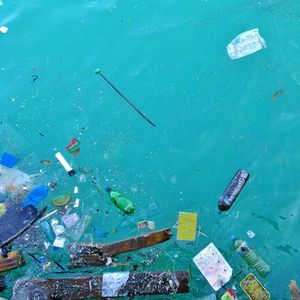
Single use plastics
Our seas are facing climate and biodiversity crises, partly fuelled by the single-use plastic problem. The UK governments need to do more to bring in legislation that bans single-use plastic being produced.
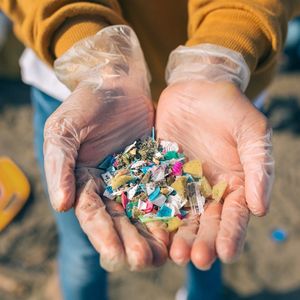
Microplastics
Microplastics are bits of plastic less than 5mm in size. They’ve been found everywhere from beaches to the deepest parts of the ocean. Marine life can accidentally consume these tiny bits of plastic, causing untold damage.
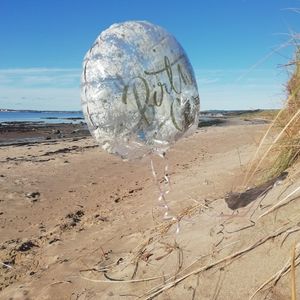
Balloon and sky lantern releases
There’s one thing to remember when it comes to balloons and sky lanterns: Don’t Let Go! Because what goes up must come down and when it does, it can be fatal to wildlife.

