Microplastics
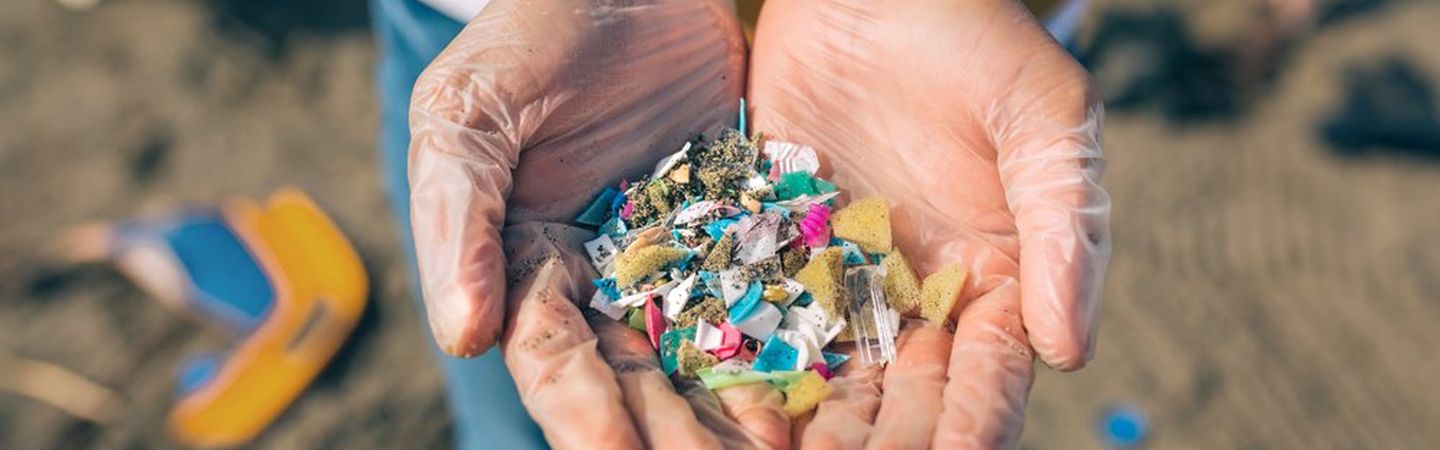
It’s estimated that 11 million tonnes of plastic enter the ocean every year. Nearly a million tonnes of this goes into the sea as “primary microplastics”, meaning they’re already less than 5mm in size.
These microplastics may be from products we use every day such as cosmetics, fibres from fishing gear and the clothes we wear, and even from our car tyres.
There are two types of microplastics:
Primary microplastics: Plastics which are manufactured less than 5mm across. They include:
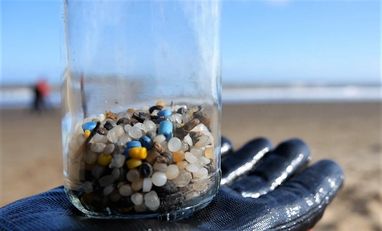
- Nurdles - Small, raw plastic pellets which are melted down and used to make almost all plastic products. They can vary in colour but are usually round and smooth.
- Bio-beads - These look similar to nurdles but are usually black in colour and have a rougher surface. They're used in wastewater treatment to filter out contaminants.
- Microfibres - From materials made with synthetic plastic fibres.
Secondary microplastics: Larger plastic pieces that have been broken down after being exposed to environmental conditions like waves, or the sun.
Big Microplastic Survey
We've joined forces with the Big Microplastic Survey to get a better picture of microplastics around the UK coast. This data contributes to essential scientific research which we can use as evidence to change pollution policies and legislation.
Microfibres
It’s estimated that 35% of primary microplastics come from domestic and industrial washing cycles. We’re working on reducing microfibres entering the oceans via washing machines. Launched in 2021, Grundig produced the world’s first domestic washing machine with a factory fitted filter.
We continue to work with investment group First Sentier to influence washing machine manufacturers across the globe to commit to developing and installing factory fitted filters.
We ran a campaign called Stop Ocean Threads, where 44,000 of you signed a petition calling for action on microfibres. Find out more about our campaign wins.
Tyre particles
Road run-off acts as a major pathway to the ocean for two thirds (66%) of microplastics. This is due to plastics found in paint on our roads as well as in our tyres, which generate microplastics as they wear down over time. When it rains, run-off takes them via waterways and wastewater networks into the sea.
It's estimated that around 28% of microplastics that end up in the environment are caused by tyre wear. This is expected to rise in the UK, with the increased weight of electric vehicles resulting in greater tyre wear and microplastic emissions.
We’re calling on UK governments and the automotive industry to produce a roadmap for reducing microplastics from roads, including tyre wear. This should include a standardised test to determine material loss, so that tyres can be given a rating based on the amount of particles they shed and set a minimum standard for tyre wear.
Intentionally added microplastics
Some products, such as decorative glitter, have plastic and microplastics intentionally added to them.
Under UK Registration, Evaluation, Authorisation and Restriction of Chemicals (REACH), we're calling for a ban on all intentionally added microplastics. In the EU, the European Chemicals Agency (ECHA) has already made this proposal.
What we're doing
We work closely with organisations including Fidra and Fauna & Flora International to introduce legislations and policies which will ultimately reduce microplastics ending up in the ocean. We've supported the rollout of the 'PAS standard' specification to prevent plastic pellet pollution, and continue to work with, and call on, industry and retailers to reduce microplastics use across a variety of projects, including glitter.
You might also be interested in...
Road runoff
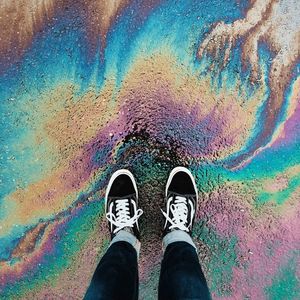
Road runoff poses a threat to the marine environment. Where does it come from, and what can be done to stop it?
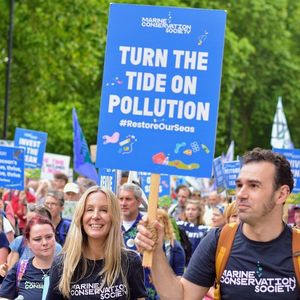
Campaigns
For over 40 years, we’ve been campaigning tirelessly to secure protections, bans and commitments from governments across the UK to restore the health of our marine environment.
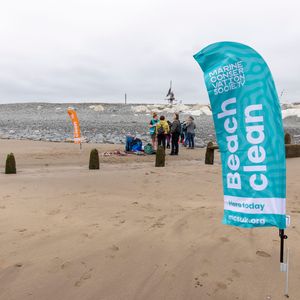
Find a beach clean
Join one of our beach clean surveys and help keep Britain's beaches beautiful and our ocean safe for wildlife.
This project is funded by the Government's Green Recovery Challenge Fund. The fund was developed by Defra and its Arm's-Length Bodies. It is being delivered by The National Lottery Heritage Fund in partnership with Natural England, the Environment Agency and Forestry Commission.