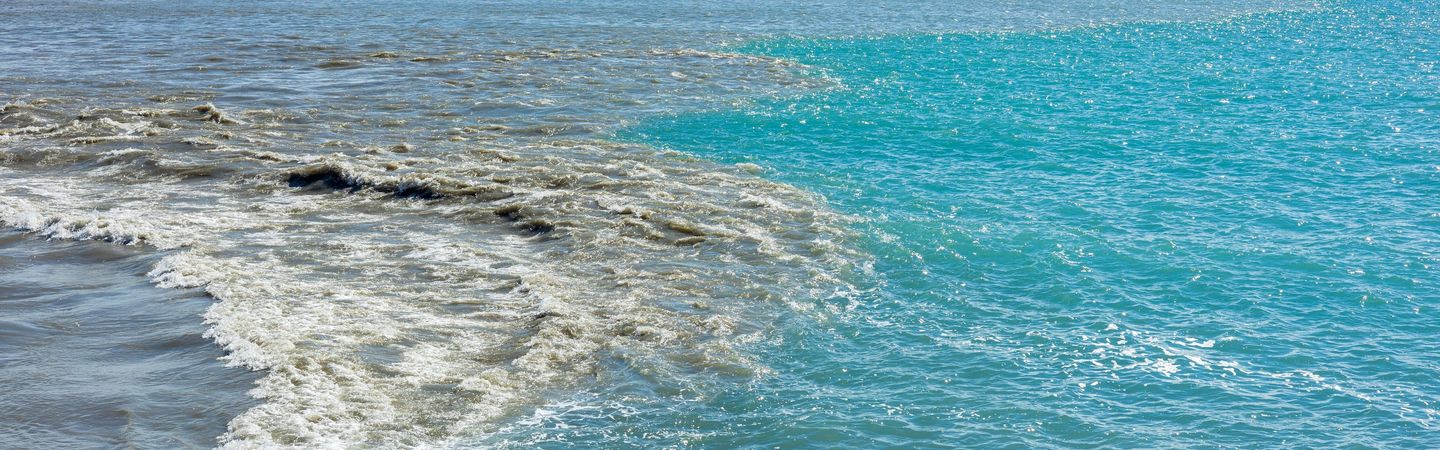
Sewage and monitoring
Raw sewage contains a cocktail of bacteria, viruses, harmful chemicals, and microplastics. This is a disaster for our ocean.
Currently, sewage is being dumped not only into bathing waters and rivers, but also into supposedly protected areas of English coastline.
In 2021, 1,651 storm overflows within 1km of a Marine Protected Area (MPA) in England spilt untreated sewage for a total of 263,654 hours - equivalent to over 30 years - across England.
These protected areas are home to vital habitats like seagrass and chalk reef, as well as an incredible array of marine life. By allowing pollutants to continue pouring into our seas, our ocean is being put at greater risk.
What the data tells us
1651
storm overflows within 1km of an MPA in England
819
of these overflows spilt more than 10 times in 2021
According to the Department for Environment, Food & Rural Affair’s (Defra's) own latest assessments, only 19% of estuaries and 45% of coastal waters are at Good Ecological Status, with none meeting ‘good’ Chemical status, and three quarters (75%) of shellfish waters failing to meet water quality standards.
Storm overflows
What is a storm overflow?
Many of our sewer pipes collect both rainwater and sewage (called combined sewers). Safety valves, called Combined Sewer Overflows (CSOs, or just storm overflows) were built into them to stop flooding during periods of very heavy rainfall. These storm overflows allow untreated sewage to spill into our rivers, estuaries and seas.
What's the problem?
Water companies across England have become too reliant on using storm overflows to dump raw sewage in our waters, rather than improve their infrastructure.
The raw sewage contains a cocktail of bacteria, viruses, harmful chemicals such as Per- and polyfluorinated alkyl substances (PFAS), and microplastics. It’s nearly impossible to remove microplastics and ‘forever chemicals’ once in the environment where they continue to build up and put wildlife, people and planet at risk.
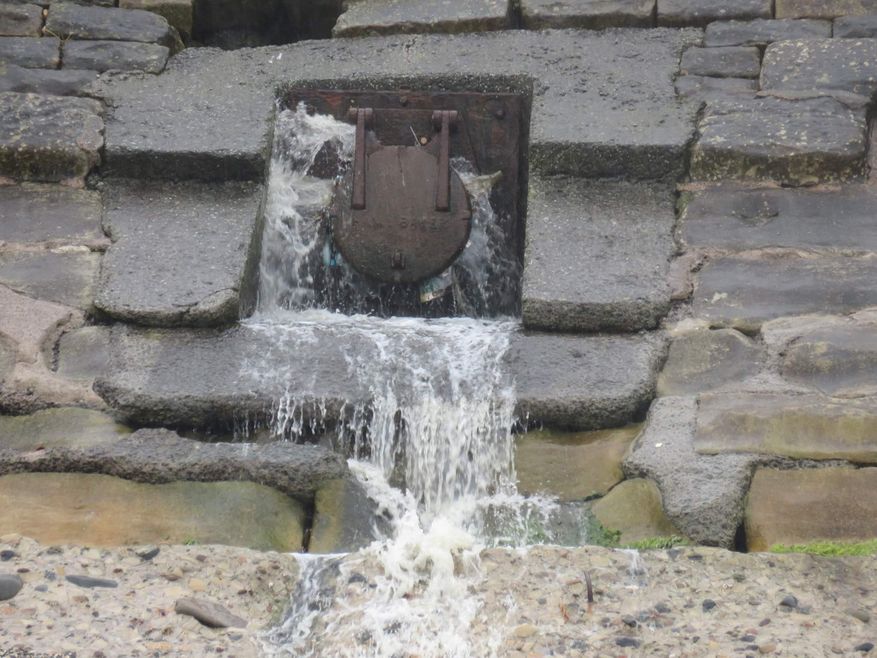
A Combined Sewage Overflow pipe
Image credit: Catherine Gemmell
Our work so far
In early 2022, Defra consulted on Storm Overflows Discharge Reduction Plan which we hoped would finally address the cocktail of contaminants that we know are regularly discharged into our rivers, estuaries and seas from storm overflows in England. However, the outlined plan failed to protect estuaries and coastal waters by completely excluding around 600 storm overflows in the long-term, which would continue to dump uncontrolled amounts of sewage directly into our seas and onto our beaches.
We wrote an open letter to Defra, outlining the ways in which the Storm Overflows Discharge Reduction Plan is failing. In late August 2022, DEFRA published it's final Storm Overflows Discharge Reduction Plan, giving water company bosses until 2050 to improve England’s storm overflows to prevent or reduce mass-scale sewage discharges.
The plan hasn't been amended since the consultation: it lacks the ambition needed to protect estuaries and coastal waters, and the pace of delivery for all targets is far too slow.
In 2023, we took the UK Government to court to compel DEFRA to rewrite its Storm Overflows Discharge Reduction Plan 2022 to impose tighter deadlines on water companies, and effectively apply to coastal waters, which are almost entirely excluded at the moment. Although we didn't win the case, it did see the UK Government produce its Plan for Water. However, the plan doesn't go far enough. Over the coming months and years, we’ll be working with the UK Government, regulators and stakeholders to push for stronger protections for our coastal waters.
Our other work around sewage pollution
Sewage sludge
The wastewater from our homes, businesses and industry goes to treatment plants to be cleaned. As the water is filtered, a solid waste product is formed. This material is known as sewage sludge and tonnes of it is generated in the UK every day.
The sludge is made up largely of organic matter and contains nutrients, such as nitrogen and phosphorus, which makes it a useful fertiliser. Once treated to reduce the health risk, the overwhelming majority of sewage sludge is spread over farmland. The water industry call this treated sewage sludge bio-solids. Despite this treatment, sewage sludge often contains synthetic chemicals such as PFAS and plastic contaminants. These tiny particles are difficult to remove, which means harmful contaminants end up in the soil, enter our rivers and ultimately the sea.
Water treatment works are often seen as a solution to stopping microfibres and certain chemicals getting into our environment. However, our report shows that although microfibres and chemicals are captured in the sludge they are then released when spread on farmland. Our findings are being shared with policymakers, water companies and decision makers emphasising the need for stopping pollution at source.
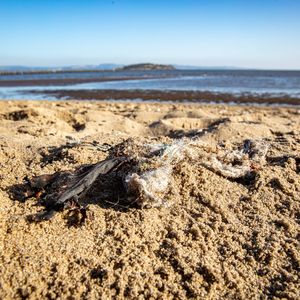
Wet wipes and sewage debris
Wet wipes and other sanitary items like pads and tampons end up on our beaches and in the environment as they’re often mistakenly flushed down the toilet.
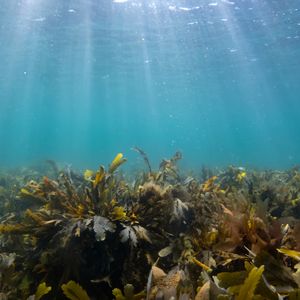
Water quality
For more than 30 years we've campaigned for better water quality at our coast, putting pressure on governments and environmental regulators to protect bathing water quality.
Road runoff
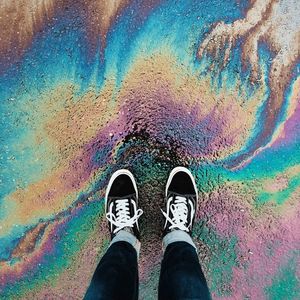
Road runoff poses a threat to the marine environment. Where does it come from, and what can be done to stop it?