

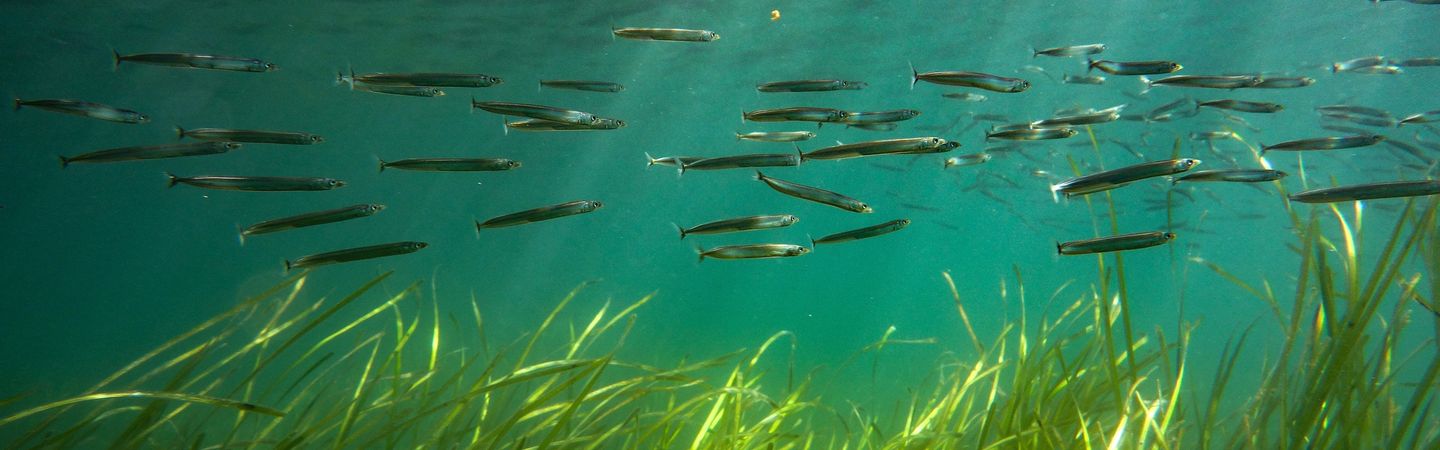
Sandeels swim above a seagrass meadow. With shafts of sunlight shining through the water, there's a stunning contrast between the vibrant green seagrass and the clear blue water.

Regeneration

Our restoration projects are working to make sure our ocean is as diverse as possible.

    The ocean around the UK is a wondrous place, bursting with life – from the tiny but vital plankton to the great and graceful basking shark and an underwater garden filled with seaweeds, corals and seagrass.  

    There are hundreds of thousands of species beneath the waves, and this biodiversity is critical for a healthy planet. Every seal to sea slug, sardine to seagrass, plays an important role in regulating our climate and ensuring we have enough oxygen and food to live.  

    It is vital the ocean is as diverse as possible, and our restoration projects are working to do just that. From seagrass planting and oyster restoration to monitoring fish and working with coastal communities to protect species and habitats in their area, we’re working tirelessly to save the future of our ocean- halting biodiversity loss and ensuring nature can thrive again. 
    Atlantic Coast

    We’re regenerating the UK’s western coastline by supporting and strengthening populations of key hero species: native oysters, seagrass, blue mussels, and kelp.  Alongside communities and partners, we’re creating thriving marine ecosystems which will help tackle climate change, purify coastal waters, protect and drive long-term ocean recovery.   

    Find out more about our Atlantic Coast project
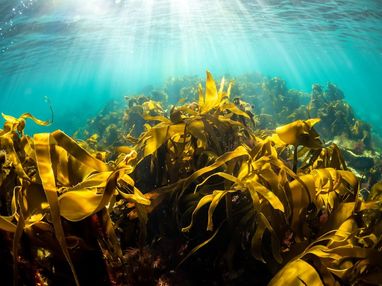
    A kelp forest sways underneath sunlight refracted through the water. The water is a clear turquoise while the kelp is thick strands of yellowy-green fronds.

    A kelp forest under refracted sunlight  |  Image credit: Alison Moore
    Reintroducing oysters 

    Native (European flat) oysters are ecosystem engineers, forming rock-like reefs that provide habitats for other marine species. They play a key role in cleaning up our ocean, with one oyster filtering 200 litres of water every day. Over-harvesting has seen this ocean superhero decline by 95% in the UK, disappearing from some areas altogether. 

    Through the DEEP and Restoration Forth projects, we’re reintroducing oysters to Scottish seas, offering these sites the potential to double biodiversity in the next decade. 

    Learn more about our work with oysters
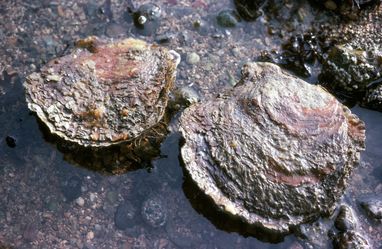
    Two native oysters sit in shallow water on a rock. They are around the size of an adult's palm and, apart from the lip of the shell (they are bivalves), they do look very similar to grey rocks!

    Native oysters  |  Image credit: David George
    DEEP 

    We’re proud partners of Dornoch Environmental Enhancement Project (DEEP), which is returning native oysters to the Dornoch Firth for the first time in a century. In 10 years, we’ve restored more than 100,000 oysters, creating habitat for more species, locking up carbon and improving water quality in the Firth.

    Discover more about our involvement with DEEP
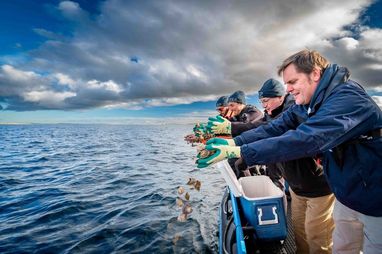
    Volunteers and staff members from the DEEP project (Dornoch Environmental Enhancement Project) scatter native oysters from a boat.

    DEEP volunteers and staff members return native oysters to the water,  |  Image credit: The Glenmorangie Company
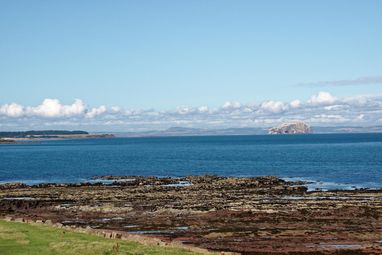
    Restoration Forth 

    We’re working with local communities and partners to reintroduce 60,000 European flat oysters and restore seagrass meadows to the Firth of Forth, Scotland. Learn more about the project and how you can involved.  

    Read more about Restoration Forth
    A view out over the Firth of Forth with a rocky shore in the foreground and a beautiful view across the water. The sky is blue and the clouds sit low in the sky.

    The Firth of Forth  |  Image credit: Pixabay
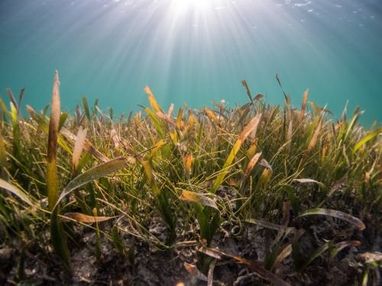
    Seagrass restoration  

    Seagrass is the single most important species in the sea for locking in CO2 and provides nursery and breeding grounds for a range of marine life. With 92% of the UK’s seagrass meadows already lost or damaged, it’s vital that we protect, conserve and recover this superhero species – which is exactly what we’re doing.

    Learn more about how we're restoring seagrass
    A seagrass bed with sunlight filtering through the water.

    A seagrass bed  |  Image credit: Benjamin L Jones

