

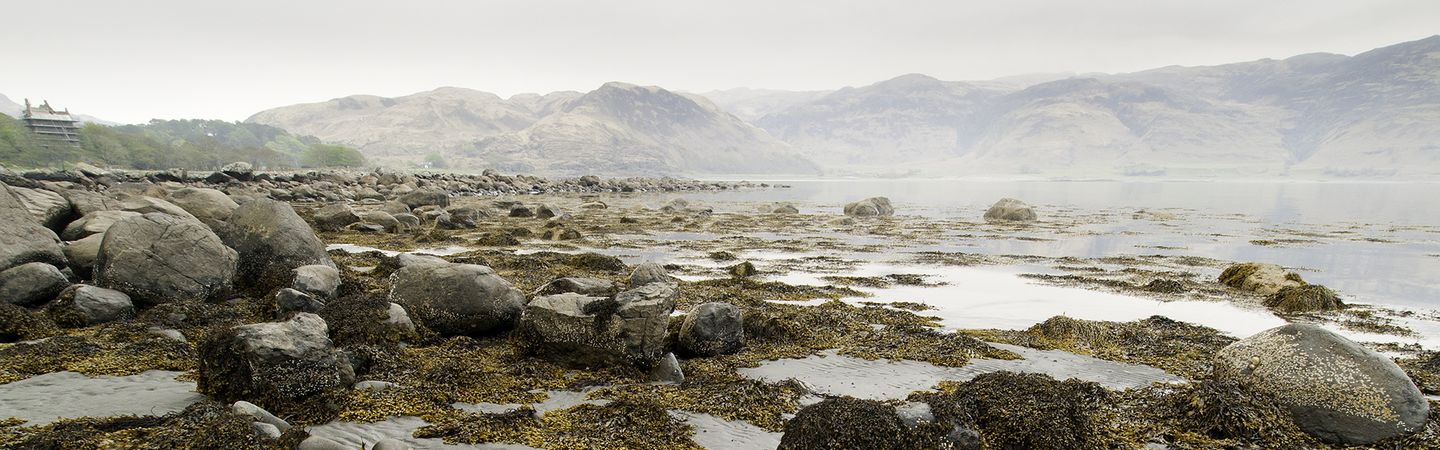
Atlantic Coast
Stretching from Cornwall to the Hebrides, it encompasses sandy beaches, sheltered coves, estuaries, mudflats, soaring cliffs and deep seas. It's home to unique and diverse habitats, weird and wonderful species, and is an important marine migratory corridor.
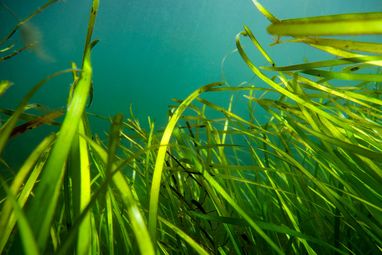
A seagrass meadow in Mounts Bay, Cornwall | Image credit: Heather Hamilton
Combining traditional and modern methods
Our work to support key hero species will be in partnership with communities along the Atlantic Coast. First, it will grow baby oysters (called spat), which will then be raised in Wales until they’re ready to live in the ocean; we’ll also create a spatting pond in Scotland to safely raise baby oysters there too. We’ll work with coastal communities to revive traditional centuries-old methods of oyster cultivation and will also pioneer new ways to restore oyster populations, like developing mobile hatcheries that can be moved to where they're needed most.
So far, we’ve already restored 33,000 native oysters to the river Cleddau in Wales through Natur Am Byth! Môr, with 50,000 baby oysters moved to Tethys oyster farm to be raised until they’re big enough for deployment.
We’ll work with coastal communities to revive traditional centuries-old methods of oyster cultivation and will also pioneer new ways to restore oyster populations, like developing mobile hatcheries that can be moved to where they're needed most.
33000
native oysters restored to the river Cleddau
50000
baby oysters moved to Tethys oyster farm
Next steps for the project
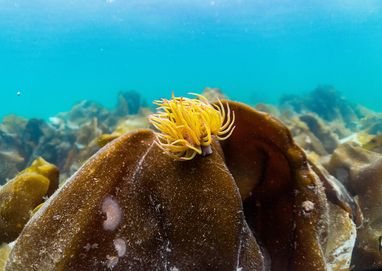
A snakelocks anemone on kelp in Scotland | Image credit: Laura McConnell
By working with local partners and communities we can revive this corner of our seas and look forward to sharing our progress with you. Check back soon for more updates.
You might like...
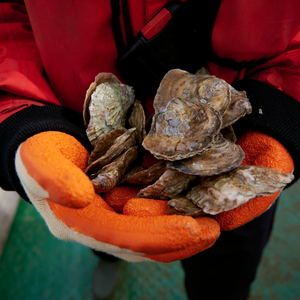
Reintroducing oysters
These ocean superheroes work hard for our ocean. Find out how we're mitigating native oyster decline through innovative projects.
Seagrass restoration
We're working to protect and recover seagrass meadows in UK seas, a vital habitat for animals and a key tool in the fight to combat climate change.
Natur Am Byth!
This is a four-year partnership with nine organisations, led by Natural Resources Wales, to help save threatened species across Wales and connect communities to nature.

