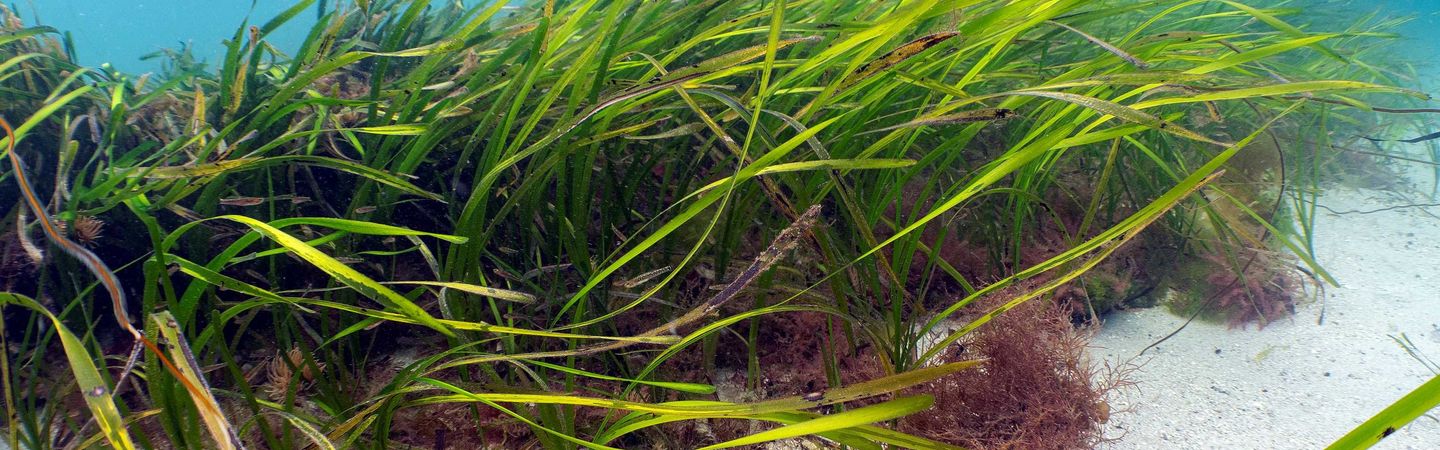
Vivid green seagrass is photographed underwater in the Isle of Scilly. The white sand seabed is visible, and the water is a bright turquoise blue.

Natur Am Byth!

This is a four-year partnership with nine organisations, led by Natural Resources Wales, to help save threatened species across Wales and connect communities to nature.

    Prosiect Môr – Project Môr

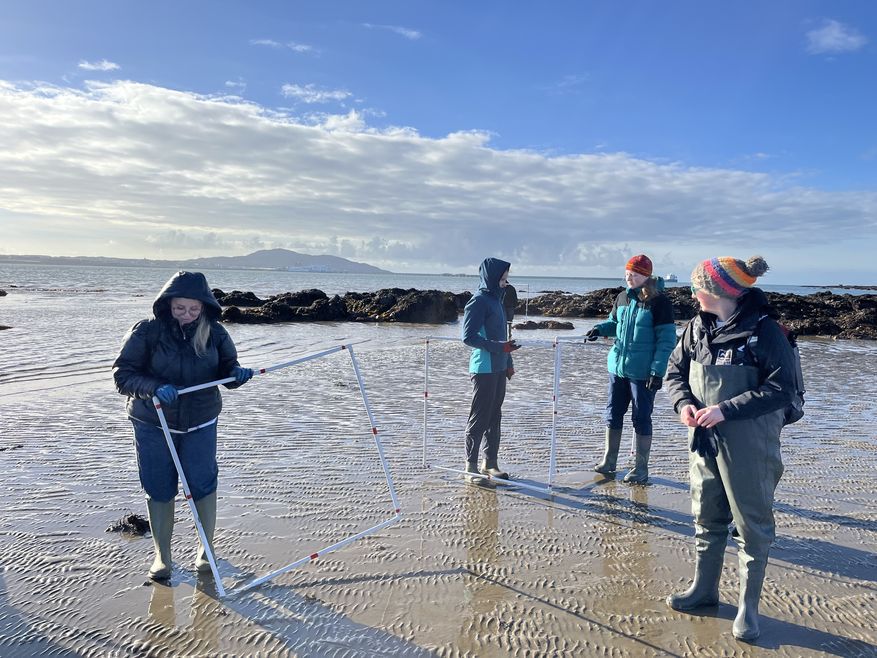
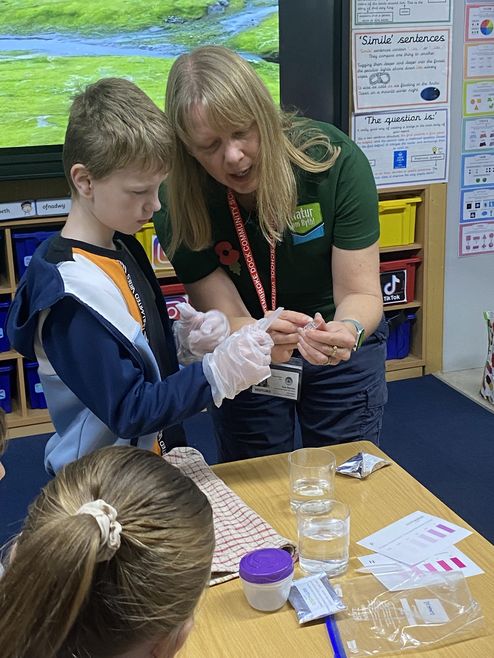
    We’re working across Wales to deliver the Môr Project – the only marine project in the Natur am Byth!. Our species and habitat focus is on seagrass, native oysters and the pink sea fan, supported by citizen science water quality monitoring and an art engagement programme. Our work is being delivered by two regional SAC coordinators, in north west and south west Wales, with various local organisations.

    Diolch am eich amynedd wrth i ni gyfieithu'r tudalennau hyn i'r Gymraeg.

    Connecting people with nature

    The NAB! programme is the first of its kind in Wales, leading the way to nature recovery. The National Lottery Heritage Fund has awarded the Natur am Byth! partnership over £4.1m.
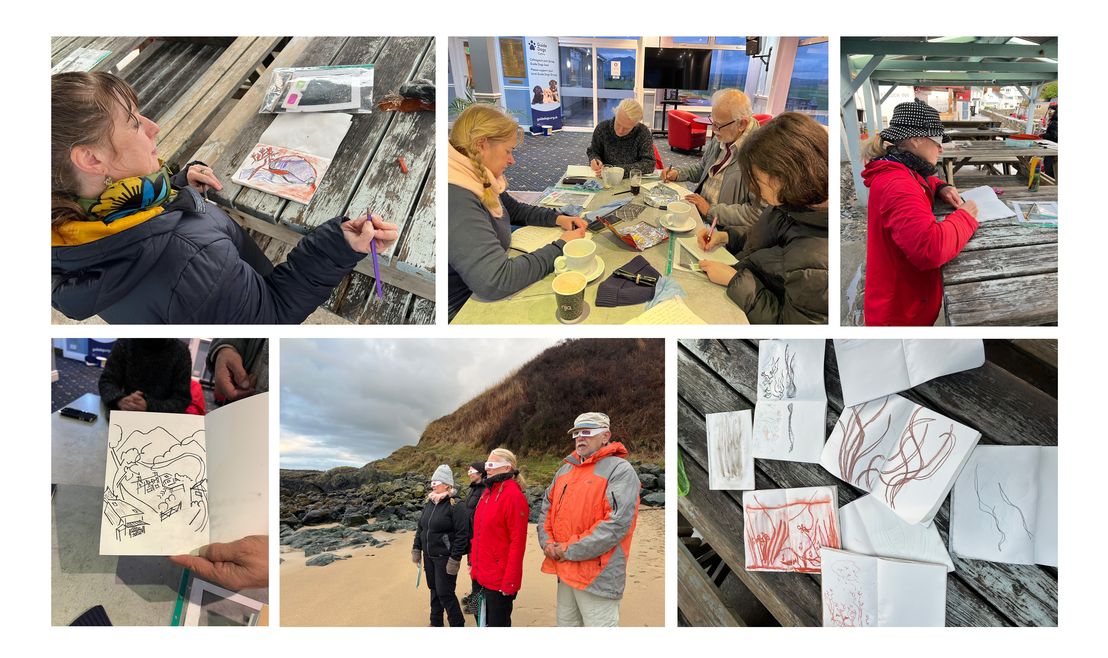
    Several images in one to showcase Lily Tiger taking part in the Natur Am Byth project, including creating artwork and standing on a beach

    Lily Tiger taking part in the Natur Am Byth! project

    Image credit: Lily Tiger

    11

    place-based projects make up Natur Am Byth!

    67

    species facing the greatest threat of extinction in Wales have been identified for action

    59

    %

    of the 67 species are at risk of extinction

    With the support of Welsh communities, we’ll be taking action to save our endangered species. By connecting people with nature, we can show why these species matter, and inspire them to get involved and protect them for future generations.

    Seagrass
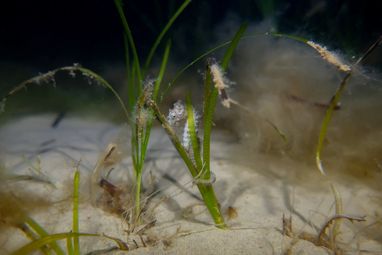
    Seagrass is a biodiversity hotspot. Seagrass habitats provide a nursery for small fish and feeding grounds and homes for many marine creatures, including the UK’s spiny seahorse and the short snouted seahorse.

    Seagrass also stores blue carbon (carbon captured by the ocean), produces oxygen, contributes to natural coastal defence and improves water quality by trapping sediment and nutrients. Seagrass is vital in buffering the effects of the climate crisis.

    We will build on our work using Advanced Mooring Systems (AMS) to allow further seagrass meadows to recover. AMS are less damaging than conventional moorings – and far more seagrass-friendly!

    Little clusters of green seagrass are coming out of the sandy seabed. In the middle cluster of seagrass is a juvenile spiny seahorse with its tail wrapped around the grass.

    A juvenile spiny seahorse clinging to a strand of seagrass  |  Image credit: Georgie Bull

    Native oysters
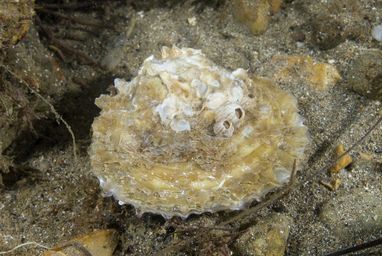
    Native oysters are an important species. As filter feeders, they improve the quality of water, remove excess nitrogen, stabilise sediments, and are known to contribute to locking away blue carbon. Healthy oyster beds can provide a habitat and refuge for other species including juvenile fish, crabs, sea snails and sponges. Unfortunately, the native oyster population is declining across Europe, which is also affecting species and ecosystems that use them for survival.

    Building on the Welsh Native Oyster action plan, we will test and scale up the restoration of oyster beds within the Cleddau/Milford Haven waterway. We’ll also create an oyster citizen science programme, which will enable oyster beds to be monitored and promote sustainable management.

    A beige coloured native oyster is photographed on the seabed floor, surrounded by sand and pebbles.

    A native oyster  |  Image credit: Paul Naylor

    Pink sea fans
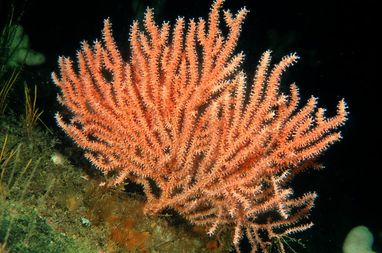
    Pink sea fan is a type of coral - a colony of individual tiny anemone-like animals that share a hard skeleton attached to rocks on the seabed. Unfortunately, they can only be found in a very few places in the UK – they are at the extreme edge of their range in Pembrokeshire and their numbers are declining.

    Building on the existing monitoring by the Skomer Team within the Skomer Marine Conservation Zone (MCZ), this project will seek to protect the pink sea fan population around Skomer MCZ by engaging with sea-users and communities about the vulnerability of this iconic species.

    A pink sea fan photographed underwater

    A pink sea fan  |  Image credit: Paul Naylor

    Môr Project Team

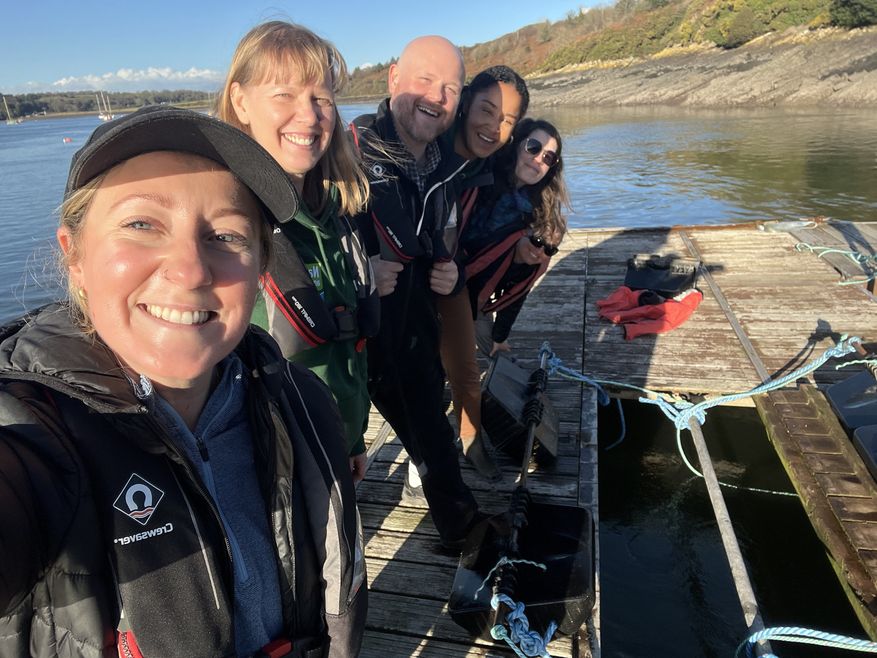
    In Llŷn & Ynys Môn, Alison Palmer Hargrave (Pen Llŷn a’r Sarnau SAC Officer) is the lead for the Seagrass and Water Quality work packages. Visit the Pen Llŷn a’r Sarnau Special Area of Conservation website.

    With Alison, the Pen Llŷn a’r Sarnau SAC team, Seren Harris and Laura Hughes conduct a variety of science, conservation and public and schools engagement projects throughout the year.

    In Pembrokeshire the regional coordinator Sue Burton (Pembrokeshire Marine SAC Officer) is the lead for the Pink Sea Fan and Native Oyster work packages. 
     

    Get involved

    Live in, or visiting Ynys Môn, Pen Llŷn or Pembrokeshire?

    Get in touch with Alison Palmer (alisonpalmerhargrave@gwynedd.llyw.cymru) for Ynys Môn and Pen Llŷn, or Sue Burton (sue.burton@mhpa.co.uk) for Pembrokeshire to keep updated on all the events you can join.


    With thanks to the National Lottery Heritage Fund, Landfill Disposals Tax Communities Scheme and the Welsh Government for supporting this project.

    National Lottery Heritage Fund and Welsh Government logos