Reintroducing oysters
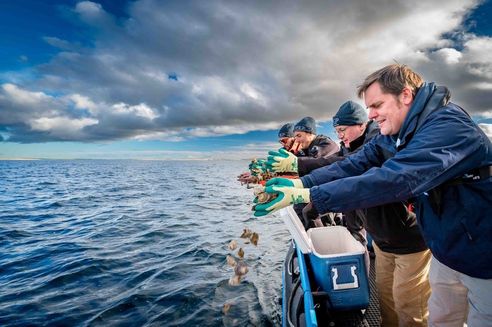
Native oysters provide a wealth of ecosystem services but have seen a global decline of approximately 85%. We're working to restore and protect oyster reefs as part of projects in the Firth of Forth and Dornoch Firth.
All about oysters
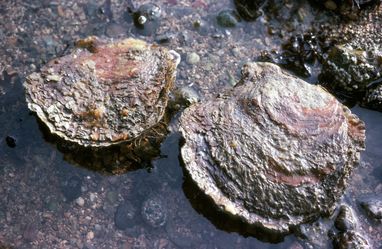
Image credit: David George
30
years
Native oysters can live up to
200
Litres filtered each day by each oyster
85
%
Global decline in native oysters
Why are oysters so important?
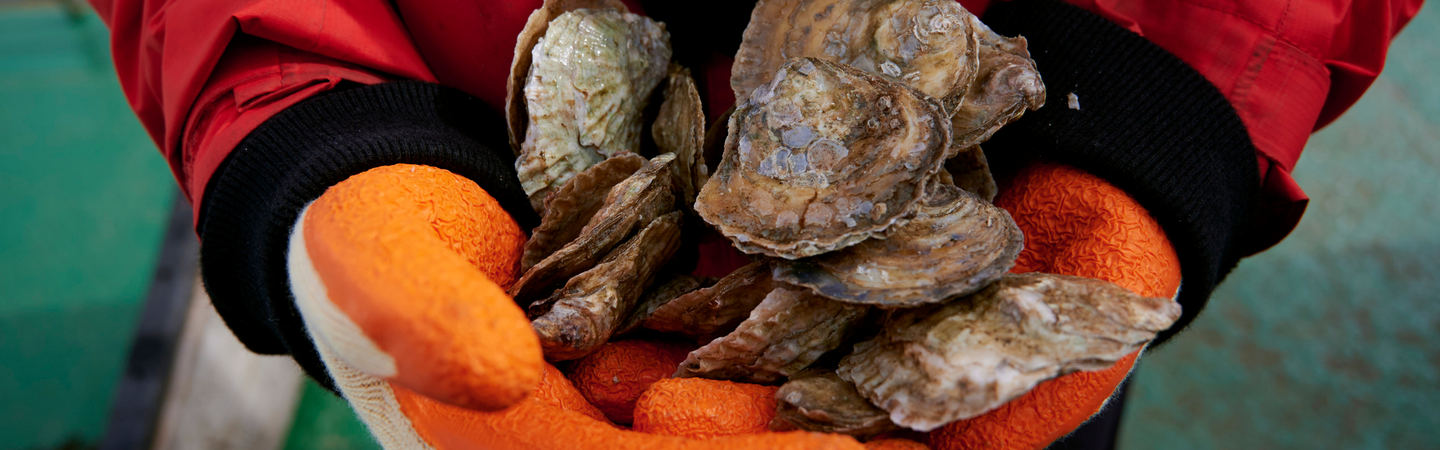
Oysters have been compared to beavers because – like Europe’s largest native rodents – they are ecosystem engineers. A single oyster can filter 200 litres of water every day, removing pollutants, chemicals and particulates.
Native oyster larvae prefer to settle on other oyster shells. This creates complex habitats known as biogenic reefs. Biogenic reefs provide habitat for other species, a nursery habitat for juvenile species and could double biodiversity over the course of a decade.
Oysters are also a sustainable food; their production is associated with significantly lower carbon emissions compared to other sources of protein.
Oysters can also be vital blue carbon stores. While carbon is fixed in the shells, shellfish also produce carbon emissions as a result of respiration, and it is not straightforward to establish what exactly is the net quantity stored. One study of oyster farms estimated the amount of carbon sequestered at between 4.39 and 17.94 tonnes of carbon per ha per year.
Threats to oysters
In 19th century Britain is has been estimated that 700 million oysters were consumed in London. 120,000 people were employed as oyster dredgers in the whole of the country.
The recovery of oyster beds has been significantly held back by habitat loss, smothering, contamination by synthetic compounds, and the introduction of microbial pathogens and parasites causing disease.
The loss of native oysters has been so severe that natural replenishment of their native grounds is limited and is now unlikely to occur without intervention. There are currently a number of exciting projects attempting to restore native oyster beds in the UK and Ireland as part of the Native Oyster Network, including the Dornoch Environmental Enhancement Project (DEEP).
Conservation and restoration
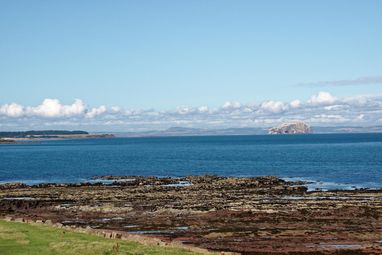
Firth of Forth