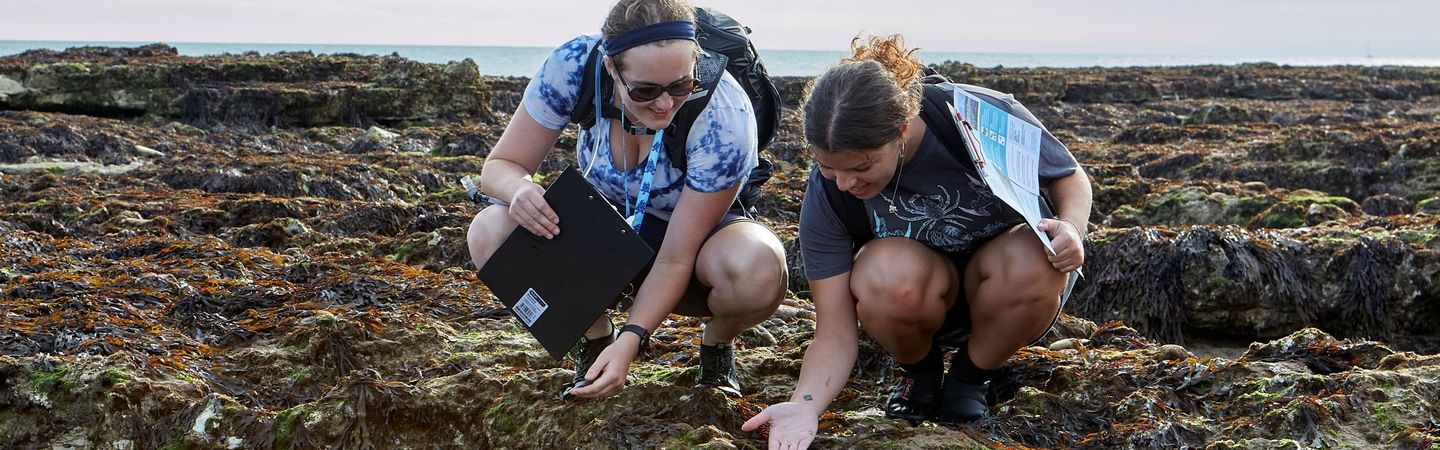
It may be a bit slippery and slimy, but seaweed is a real ocean superhero. Studying seaweeds can tell us a lot about wider ocean and environmental conditions. By taking part in the Big Seaweed Search, you’ll be helping to gather vital evidence that can be used to map and document any changes to our coastal environments.
Whether you live by the sea or only visit every now and again, you can get involved in the Big Seaweed Search! It’s free, fun, and suitable for everyone – you don’t need to be a scientist to get involved.
The more data we gather, the more knowledge and influence we have to fight for the future of our seas.
How to become a seaweed citizen scientist
Take our seaweed quiz
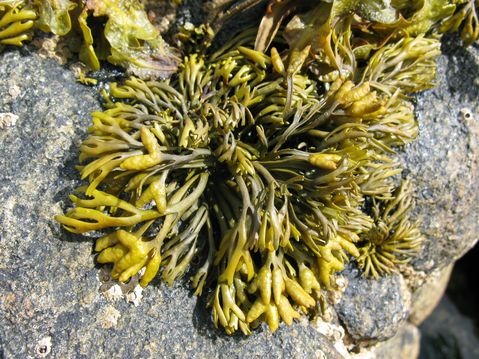
Our coast is home to an amazing variety of seaweeds. 650 different species live and grow around the UK. Do you know your dabberlocks from your bladder wrack? Test your knowledge with our seaweed quiz to find out if you're a novice or ninja. You might learn some surprising facts about seaweed along the way.
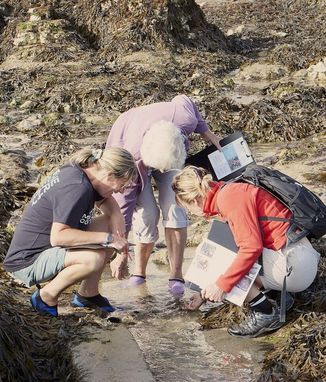
Volunteers participating in a Big Seaweed Search survey | Image credit: Billy Barraclough
Big Seaweed Search reports
Big Seaweed Search Report 24/25
Every year we share your seaweed findings, including our favourite pictures, interesting finds, and what we've done with the data. Check out the 2024-2025 report.
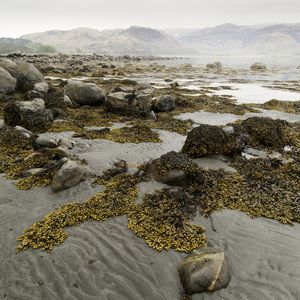
Seaweed science study 2022
Discover the results discovered by a study undertaken by the Big Seaweed Search team about the impact of the Big Seaweed Search
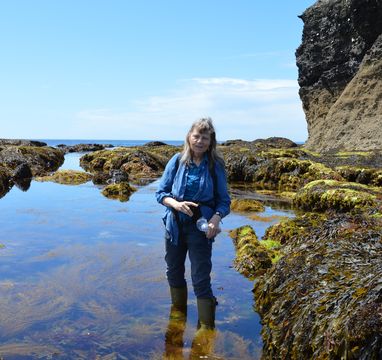
Professor Juliet Brodie conducting seaweed research
Learn more about seaweed
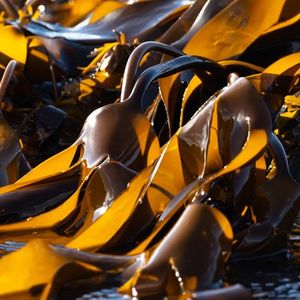
The potential of seaweed
Seaweed is something we’re all familiar with from trips to the beach, but its potential as a business opportunity for the aquaculture industry is now emerging.
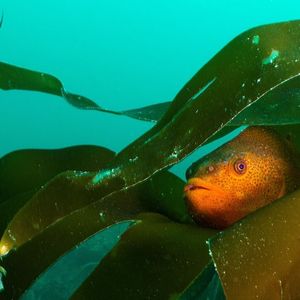
What seaweed can teach us about climate change
There are over 650 species of seaweed found around the UK and each plays a vital role in supporting the health of our ocean and planet and can tell us key information about the effects of climate change.
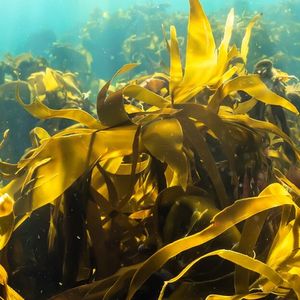
Meet the seaweed types
There are over 650 species of seaweed found around the UK and we’re on the lookout for 14 of them for The Natural History Museum and Marine Conservation Society's Big Seaweed Search.
This project is funded by the Government's Green Recovery Challenge Fund. The fund was developed by Defra and its Arm's-Length Bodies. It is being delivered by The National Lottery Heritage Fund in partnership with Natural England, the Environment Agency and Forestry Commission.