10 surprising seaweed facts
1 minute read
You might usually spot seaweed washed up on the shore, but there's so much more to this fascinating form of algae than meets the eye. Explore our top 10 facts that might just change the way you see this beach staple.

A brown Eurasian otter amidst rocks and seaweed | Image credit: Peter Bardsley
Sea urchins are a kelp's arch enemy, destroying kelp forests
Sea urchins can destroy entire kelp forests at a rate of 9m per month by moving in herds. Sea otters play a key role in stabilising sea urchin populations by eating them - helping kelp forests thrive.
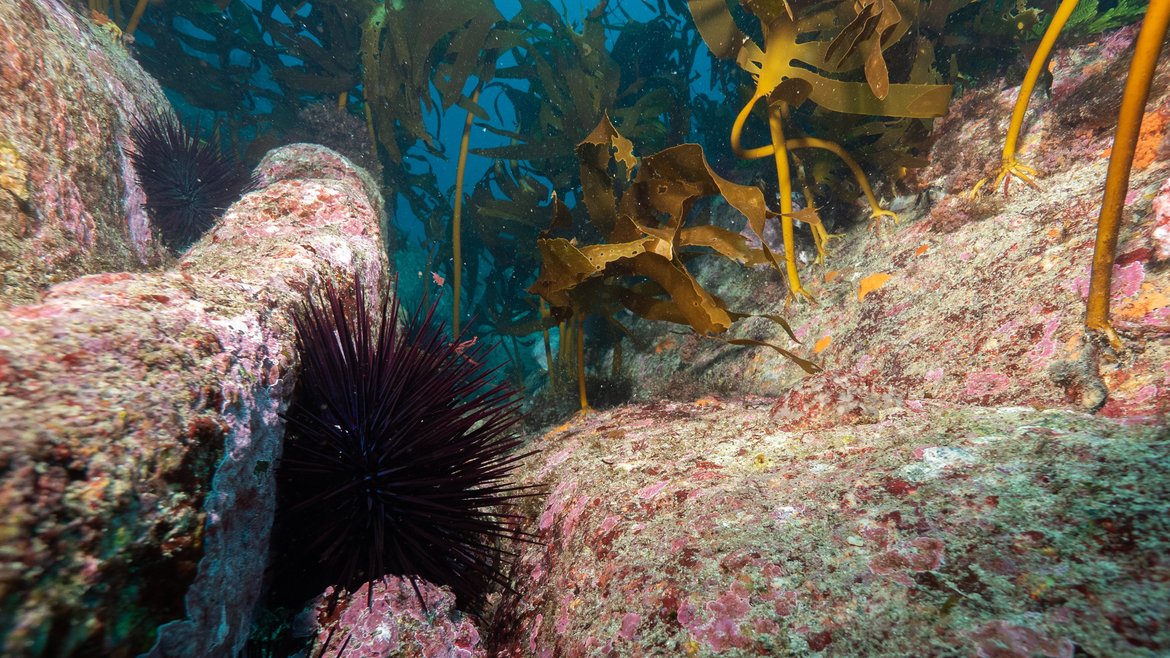
A group of sea urchins slowly eating a kelp forest around an Australian reef
Image credit: Stefan Andrews / Ocean Image Bank
Seaweed and other species such as phytoplankton make up roughly 70% of the oxygen we breathe
Rainforests make up 28% of oxygen production, while 2% comes from other sources.
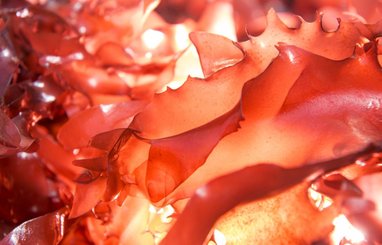
A close up of the bacon-tasting seaweed, a new strain of dulse seaweed; a red seaweed that grows in the wild along the Pacific and Atlantic coastlines. | Image credit: Oregon State University
Red seaweed is the most common colour of seaweed
Though you might imagine seaweed to be brown or green, there are actually more species of red seaweed than any other colour.
Approximately 11,000 species of red, green and brown seaweeds have been described to date but there are likely to be at least another 11,000 still undescribed.
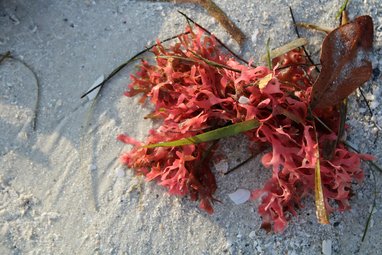
A species of red seaweed found on a beach | Image credit: K Adams
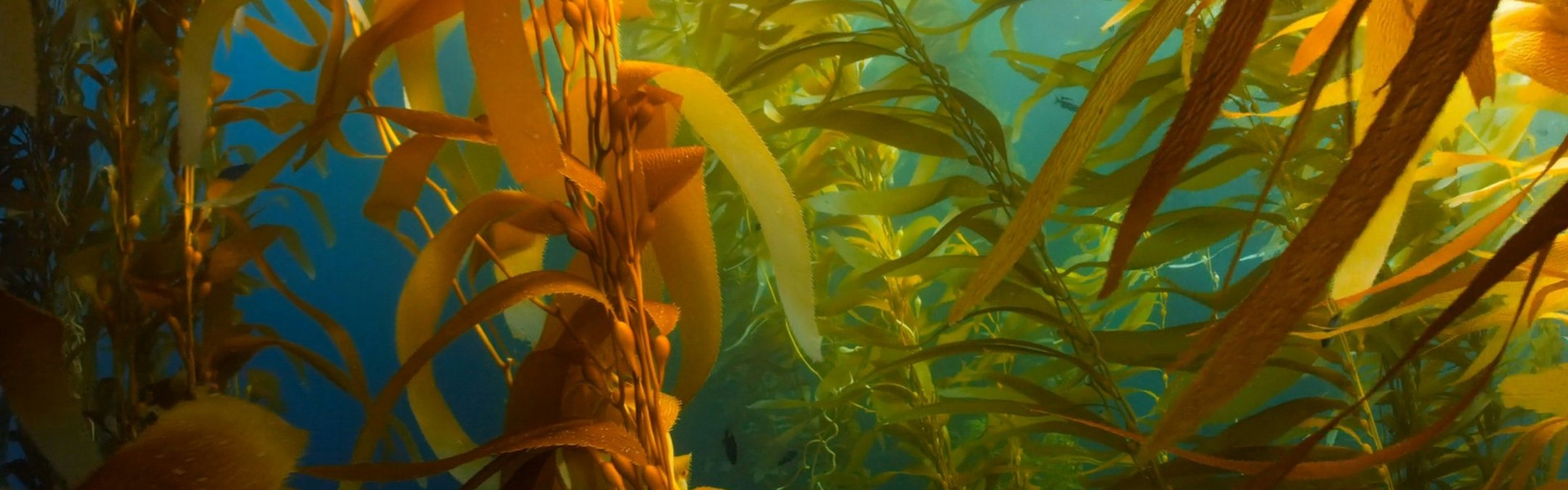
The biggest seaweeds (giant kelp) can grow 60cm per day
That's the same as 2 regular sized rulers. Imagine how big they can grow in a year!
Seaweed is used in millions of everyday products
Thanks to their unique properties, seaweeds are used in cosmetics, fertilizer, emulsifiers, medicines and biofuels.

Your usual toothpaste is one product that might contain seaweed
Image credit: helloimnik
Many seaweeds are eaten all over the world for their health benefits
Seaweeds are a nutritious food source, eaten all over the world. They're low in fat and carbohydrate, but high in fibre, vitamins and minerals, such as iodine – a critical antioxidant which keeps your thyroid healthy.
Seaweed can help monitor the effects of environmental change
Seaweed is not only a superfood, it's an ocean hero too. Studying seaweeds can tell us a lot about wider ocean and environmental conditions ranging from rising temperatures, ocean acidification and the introduction of non-native species.

You can help by reporting the seaweed you find
By taking part in the Big Seaweed Search, you’ll be helping to gather vital evidence that can be used to map and document any changes to our coastal environments and advance our shared understanding of climate change.
When it comes to protecting our marine habitats and wildlife, your support can make a big difference.