

Rockpooling
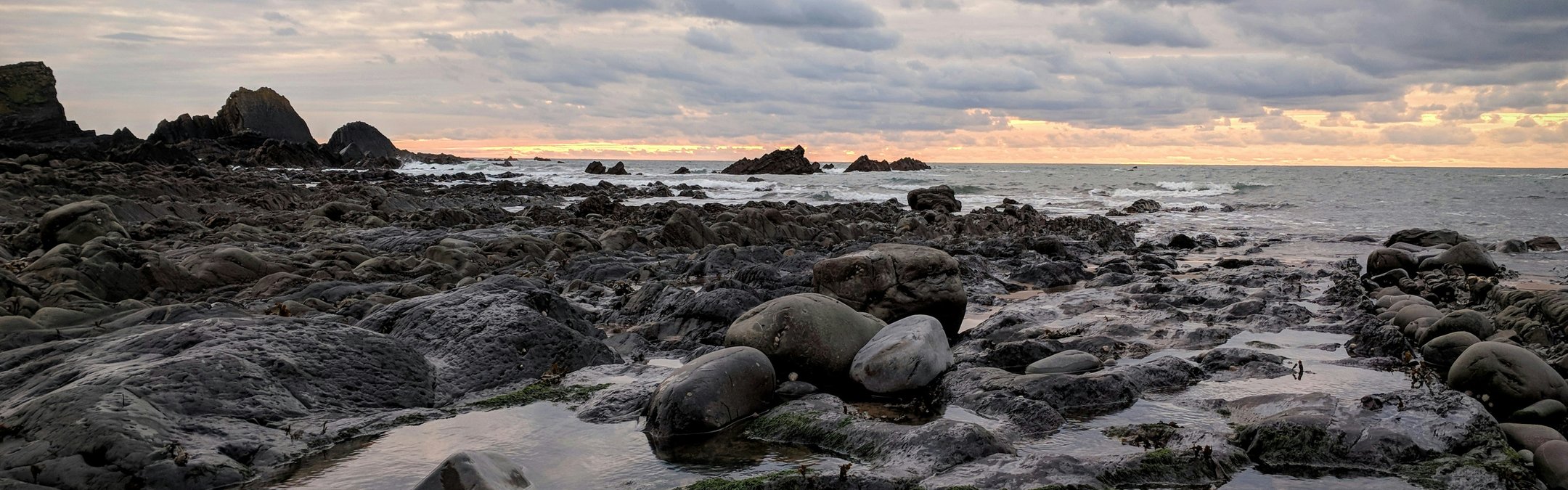
Peer closely into a low-tide pool and the secrets of the sea will be revealed. Ocean ambassador Inka Cresswell and marine expert Dr Ben Holt share some rockpooling tips on how to get started and the creatures you might find at your local rockpool.
Meet the experts
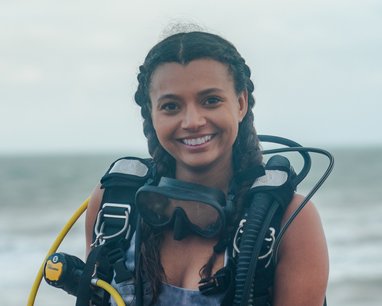
Inka Cresswell
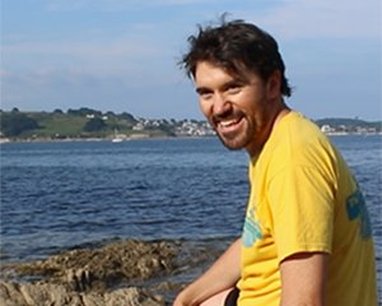
Dr Ben Holt | Image credit: Grace Hunt
An introduction to rockpooling
Join our presenters Inka Cresswell and Dr Ben Holt as they go rockpooling on the Falmouth coast. Discover what shoes to wear and how to pick up a crab.
Safety tips and rockpooling essentials
Find out the best time to go rockpooling and learn about the tides. Inka and Ben also have lots of good advice on how to stay safe and what to take with you.
Rockpooling with kids
Meet Sophie, Pat, Isla and Ellie as they find some fascinating sea creatures and learn how to identify them.
Keep exploring more rockpools
Explore your local rockpools and get involved with the Rock Pool Project. Help us to protect marine animals by picking up plastic and caring for our coasts.
A map showing rock pooling sites throughout the UK can be found here. Thanks to the Capturing Our Coast project for supplying this data.
Rockpooling top tips
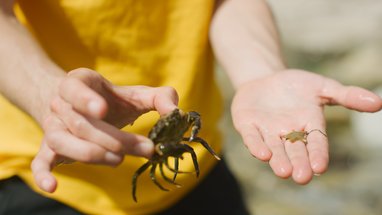
A close of someone holding a crab in one hand and small starfish in the other | Image credit: Billy Barraclough
Rockpool inhabitants you might find
Here are some of the most common creatures found around UK shores. Keep your eyes peeled for these fascinating species.
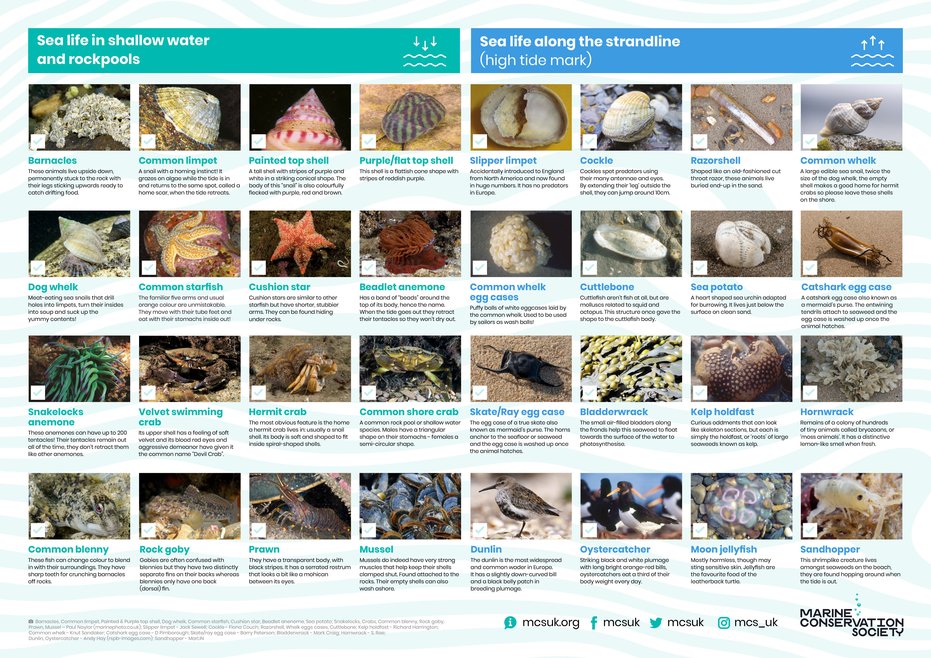
Seashore Safari Guide
A big thanks to the UWE MA Film Dept and students Leo Thom, Maia Sherwood, Felipe Rosa and Pedro Furtado for creating this film.
Find more resources
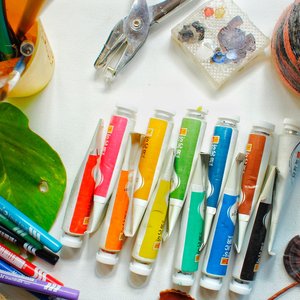
Fun marine-themed activities
If you're looking for ocean-themed fun for the kids, then you're in the right place! Here you'll find games, activities and fun for all the family.

Eco-anxiety resources
Do you feel worry or concern for the environment? These tools are designed to support you through experiences of eco-anxiety.
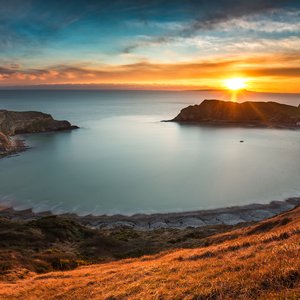
Get in touch with nature through the Wildling app
Wildling is a free to download mobile app that has been specifically designed to bring more nature into our lives and helps connect us with the nature all around us.

