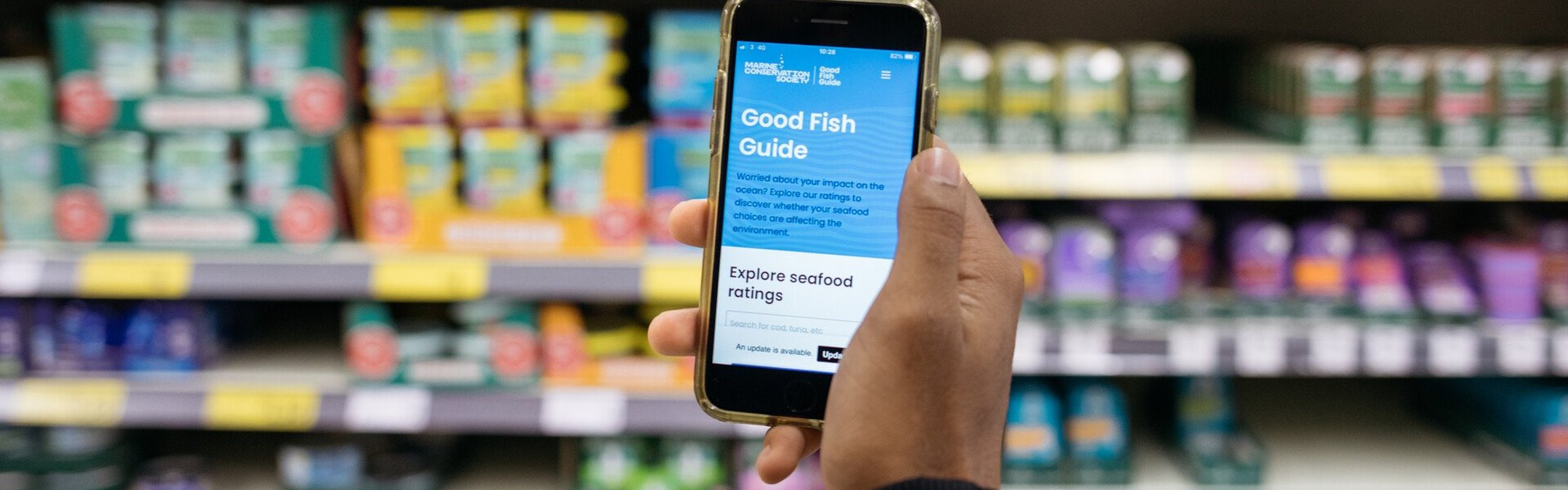
A hand holding up a phone with Marine Conservation Society's Good Fish Guide app on the screen. In the background is a blurred supermarket shelf filled with food products.

Choosing sustainable seafood

The impact of unsustainable seafood on our ocean is frightening. The good news is, you can do something about it. Our Good Fish Guide is here to help you make ocean-friendly choices.

The UN has named unsustainable fishing as the greatest driver of marine biodiversity loss in the world. Some fish are as endangered as the Bengal tiger, yet they're still finding their way onto our plates.

We believe there's a firm place for responsible, well-managed fishing and aquaculture in our vision for healthy seas. Over 2 billion people around the world depend on seafood as their primary source of protein. With an ever-growing population, there is increasing pressure on our ocean to supply us with food. Our Good Fish Guide is your simple guide to find out the environmental impact of the seafood you buy. It's based on which species it is, where it’s been caught or farmed, and how.

We've also got lots of practical tips for helping you to be more sustainable when eating seafood. 


How to use the Good Fish Guide
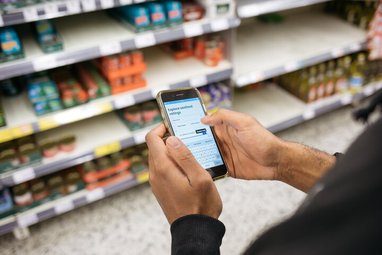
Good Fish Guide seafood ratings are based on three key things: what it is, where it was caught or farmed, and how. In some cases, this information must be on the packet by law. It fundamentally changes the sustainability of what you're eating. 

When you choose sustainable seafood, it encourages supermarkets and restaurants to demand it from their suppliers. This demand can reward fishers and fish farmers who adopt sustainable practices. It also encourages governments to improve management.

Learn how to use the Good Fish Guide
A person stands in front of the fish section in a supermarket holding a phone in their hand. On the phone screen is the Good Fish Guide species ratings page.

Image credit: Billy Barraclough

Why we focus on sustainable seafood
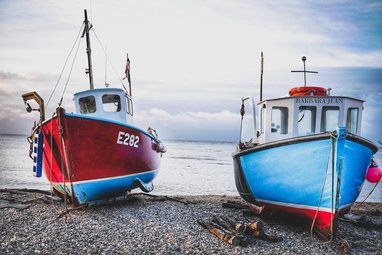
Over 2 billion people around the world depend on seafood as their primary source of animal protein. It's critical that we meet our future protein needs whilst ensuring the health, diversity and productivity of our marine environment. Well-managed fisheries and aquaculture can provide us with low-carbon protein for generations to come. Over time, we've seen that the market demand for more sustainable seafood is encouraging real improvements in the management and operation of fishing and aquaculture.

Find out more about our sustainable seafood work
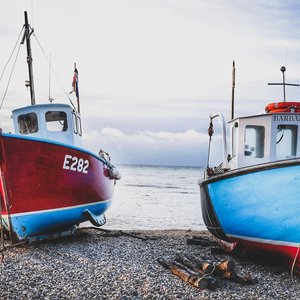
A close up of two fishing boats resting on pebbles. One boat is a vivid red colour, and the other is a bright blue colour.

Image credit: Jack Clarke

Sustainable seafood FAQs
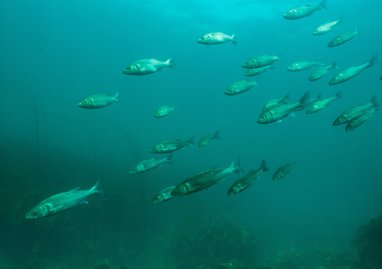
If you've got questions about sustainable seafood, we've got the answers. From buying seafood and the difference between MCS (us!) and the MSC (Marine Stewardship Council), to ways you can make sure your seafood is sustainable when eating out and what to look out for on labels, all the answers to our most frequently asked sustainable seafood questions are here. 

Our most frequently asked sustainable seafood questions

Image credit: Sam Mansfield

Seafood buying guides
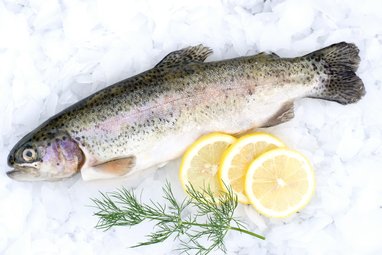
There’s a lot to think about when you’re buying sustainable seafood at the supermarket or fishmongers. We share some of our top tips, as well as some sustainable swaps you can make for the most commonly chosen seafood in the shops. And if you're worried about the cost of eating sustainable seafood, don't be. We have lots of advice to help you enjoy ocean-friendly meals without breaking the bank. 

Learn how to buy sustainable seafood
A brown trout is laid on a bed of ice, with two lemon slices next to it and some green foliage

Image credit: Shutterstock

How our Good Fish Guide ratings work
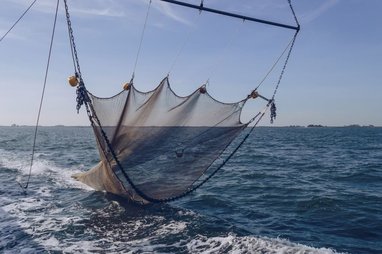
There are more than 600 sustainability ratings on the Good Fish Guide, covering around 130 species. Every one is carefully researched and rigorously reviewed, ensuring the guide is accurate, transparent and credible. From the wild capture methodology consultation and how we rate farmed and wild seafood, to certifications and improvement projects, this hub contains everything you need to know.

Learn how our ratings work
A trawler net is hanging just above the ocean

Image credit: Anney Lier


Add the Good Fish Guide to your phone

Our downloadable guide gives you access to seafood sustainability advice wherever you are – whether that's at home, in the supermarket or at a restaurant.

By adding the Good Fish Guide to your home screen, an icon will appear similar to apps on your phone. Simply tap the icon to launch the guide and start searching for recommendations.

The guide works even if you have no signal or you're offline, and it keeps itself up-to-date by checking for new ratings whenever you're connected to the internet.