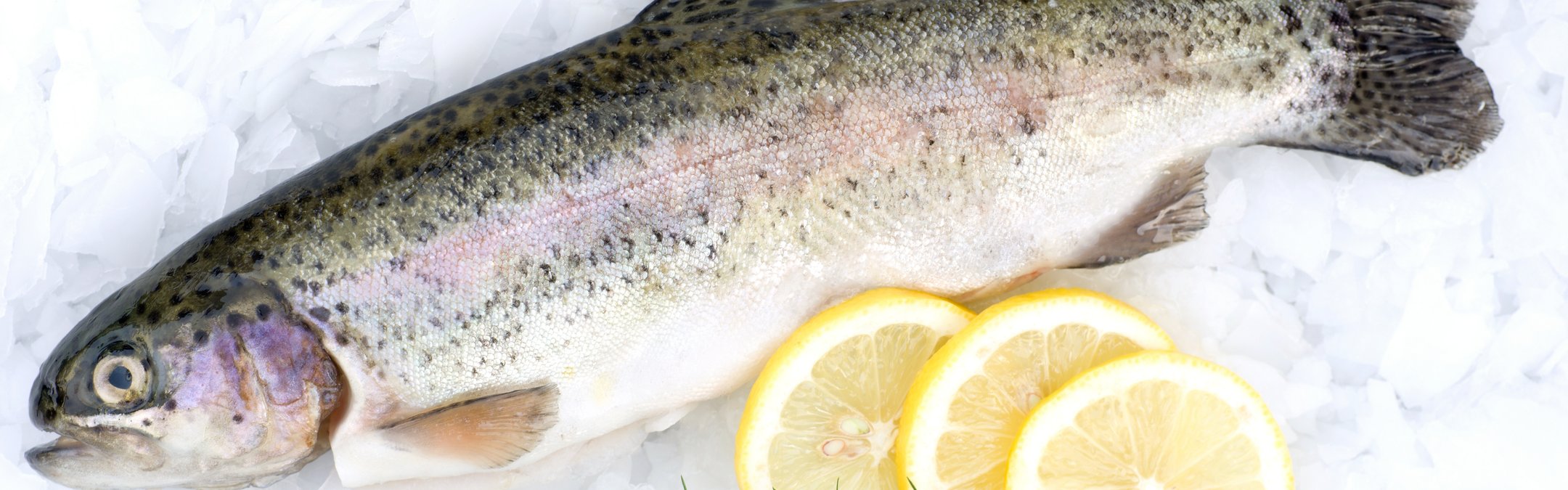
A brown trout is laid on a bed of ice, with two lemon slices next to it and some green foliage

Seafood buying guides

There’s a lot to think about when you’re at the supermarket or fishmongers. Discover what labels to look out for, what questions to ask and why every purchase makes a difference.

We believe sustainable seafood should be the only option available to people. While this isn’t yet the case, as shoppers we have real power to drive this change.

By demanding sustainable seafood, we’ve driven retailers to get serious on responsible sourcing. Our Good Fish Guide ratings now influence 20% of the seafood meals served in the UK each year.

Every choice we make with seafood leaves a footprint on our ocean, by following these top tips, we can make sure we tread as lightly as possible.

Remember these M.A.G.I.C. tips next time you're buying seafood
A guide to eating seafood sustainably for less

If you eat seafood, our Good Fish Guide is here to help you enjoy ocean-friendly meals without breaking the bank. Dive into our practical tips on how you can enjoy delicious seafood while saving the seas and your wallet.

Learn how to buy sustainable seafood for less
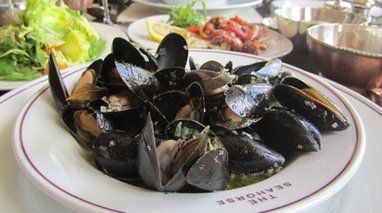
A bowl of mussels takes centre stage, surrounded by other seafood dishes

Image credit: The Seahorse

Top 5 sustainable seafood swaps
Did you know that 80% of the seafood we eat in the UK is made up of just five different species? We call them the big five: cod, haddock, salmon, tuna and prawns.

Not only is that really boring, but it's a pretty bad idea. It puts a lot of pressure on a handful of wild stocks and creates demand that drives unsustainable fishing and farming practices.

Take a look at what swaps you could make
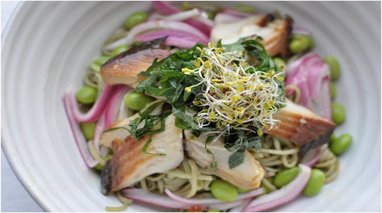
Arctic chard sits on a bed of noodles, with a salad and red onion garnish

Image credit: Silla Bjerrum

Buying local seafood

In the UK, we import most of the seafood we eat and export most of what we catch. But if you stick with sustainable options, going local can be much better for the environment. Our UK fishermen and fish farms catch and produce dozens of different species, from langoustines and mussels to hake and plaice.

Find the best choice seafood near you
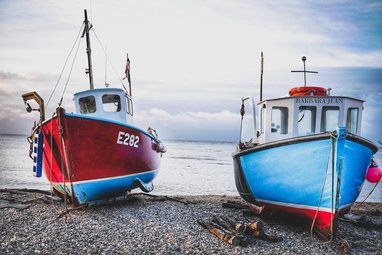
A close up of two fishing boats resting on pebbles. One boat is a vivid red colour, and the other is a bright blue colour.

Image credit: Jack Clarke

Spotlight on salmon
Salmon is one of the most popular fish used for food. Popular for its tasty, pink flesh packed full of omega-3 fatty acids, salmon is a versatile fish that can be wild-caught (in oceans, lakes and rivers) or farmed. Most of the salmon found in UK supermarkets is Atlantic salmon, farmed mainly in Scotland, but it can also be from Norway, Chile and the Faroe Islands. Here we explore what to think about and what to look out for to make sure you're buying sustainable salmon when you shop.

Learn how to buy sustainable salmon
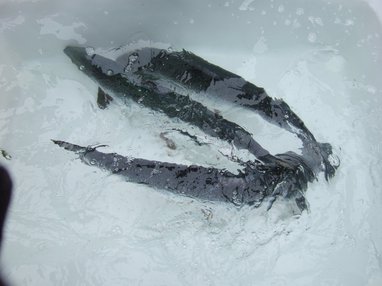
Three atlantic salmon in a white tub

Image credit: Dawn Purchase