How does seafood get from the ocean to our plates? We dive in to the difference between fishing and fisheries, fish farming and fishing methods.
Climate change and fishing
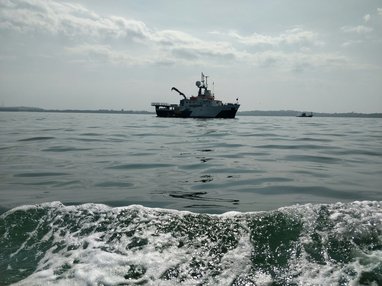
Our ocean's health is vital in tackling the climate crisis and all industries operating across our seas have a role to play. UK fishing needs to modernise and change. A climate-smart approach takes into account the various ways that the fishing sector impacts the environment through emissions, biodiversity loss and habitat damage and then seeks to address these issues. Our report with WWF and the RSPB outlines a way forward for the sector.
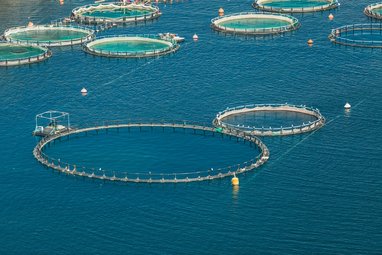
Aquaculture, or fish farming, is a general term for the farming of aquatic species, from fish and shellfish to seaweed. It incorporates everything from a few mussel ropes on a Scottish croft to huge salmon farming companies on the New York stock exchange. We take a dive into aquaculture and explain our position on fish farming, particulary around salmon.
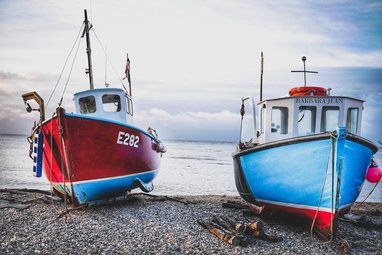
A fishery is a clearly defined area where specific species of fish are caught using a particular method of fishing. A fishery can be commercial, industrial or recreational. Commercial fisheries provide food for human consumption, with the fish being caught and sold to supermarkets, restaurants, or the general public.
There are many different ways to catch or farm fish and shellfish, and some have a much lower environmental impact than others. In all cases, we want to see better monitoring and reporting of fishing activity, especially where bycatch is an issue. We also want management plans for all species that fishers target, to stop too many fish or shellfish from being taken. We have a dedicated policy team working to achieve this. Here we explain the different fishing methods and how sustainability can be improved.