

Marine Protected Areas (MPAs)
What is an MPA?
An MPA is an area of the ocean that is designated in law to protect species, habitats, historical or cultural features. Damaging human activity, which can include bottom trawling or dredging fishing techniques, are sometimes prohibited depending on the purpose and objectives of the site.
There are currently 377 MPAs across UK seas.
Some MPAs are very large. Dogger Bank MPA is about four times the size of the Lake District and the West of Scotland MPA is larger than Scotland itself!
Government conservation bodies carry out surveys to determine which habitats need protecting. Often our citizen scientist divers are the first to record the seabed in an area to help identify places in need of protection. Conservation advice from experts helps law makers understand how human activity may be disturbing species and ecosystems, and what specific measures are needed to protect them.
Why Marine Protected Areas are important
MPAs are a globally recognised approach to halting biodiversity loss in our ocean and encouraging the recovery of marine wildlife and their habitats.
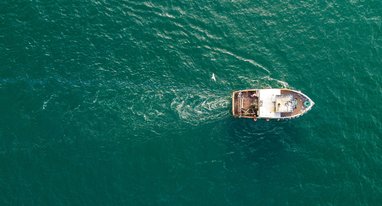
Image credit: Norrie3699 via Shutterstock
Fishing in MPAs
Fishing is allowed in almost all Marine Protected Areas but it has to be carefully monitored.
Types of MPA vary — some allow only lower impact types of fishing, whilst others still allow bottom trawling, depending on what they were designated for. Very few are “no-take zones” where areas are completely protected from all types of fishing activity.
Areas where all fishing is restricted can create amazing oases for marine life and lead to more fish and shellfish, which then spill over into surrounding areas, where they have the potential to benefit nearby fisheries and ecosystems alike.
Much of the damage has been done over the last 130 years and continuing to trawl the seabed prevents the potential for recovery.
We published research showing that protecting offshore MPAs from bottom trawling will have economic benefit to society too, in the shape of improved 'ecosystem services' - such as nutrient cycling, carbon capture, and improved conditions for marine recreation.
Our work so far
Seagrass bags on the sea floor | Image credit: Ocean Conservation Trust
Rewilding our waters
We work alongside communities, with UK and devolved governments and local regulators to make sure that any management measures put in place work for everyone.
Here are some examples of what we've been doing to protect and rewild our waters, together with our partners:
- Campaigning for a world-first protected area for basking sharks and minke whale in the Sea of Hebrides
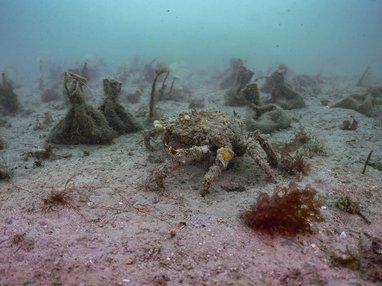
- Worked with boat users and the local community to protect and restore 123 hectares of seagrass and save the seagrass meadows of Plymouth
- Collaborating with The Glenmorangie Company and Heriot-Watt University to reintroduce native oysters to the Dornoch Firth
- Helping kelp on the Sussex coast with the local community and fellow environmental organisations...and Sir David Attenborough!
Our vision for the future
Many of the UK's Marine Protected Areas are dubbed 'paper parks': their protections are little more than lines on a map. For these sites to be truly effective, they must be properly managed. This means banning damaging activity from certain sites, like bottom trawling vital seabed habitats. We need governments to lead with proper regulation, controls, enforcement and monitoring.
We researched the cost-benefit of banning bottom-contact fishing from the UK’s offshore MPAs designated to protect seabed features. The overall net benefit could amount to between £2.57 billion and £3.5 billion over a 20-year period.
We're calling for at least 30% of the ocean to be highly or fully protected by 2030, to allow our ocean to recover and thrive once more.
You might also be interested in...
Marine unProtected Areas
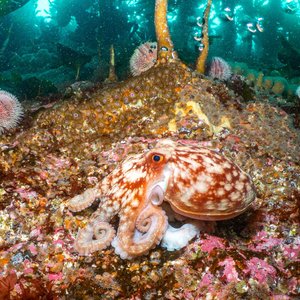
We found that damaging fishing, like bottom trawling, was taking place in 98% of the UK's offshore Marine Protected Areas intended to protect vital seabed habitats.
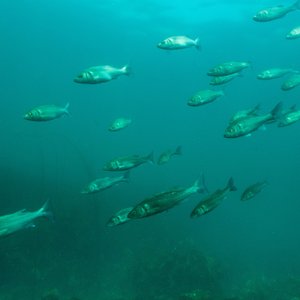
MPAs: Your questions answered
If you're confused about Marine Protected Areas and the challenges involved in managing them, this is a good place to start.
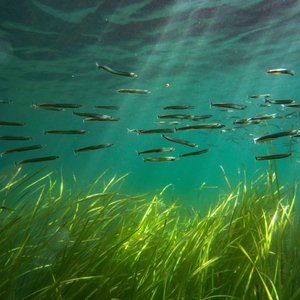
Regeneration
Our restoration projects are working to make sure our ocean is as biodiverse as possible.

