How to use the Good Fish Guide
What species is it?
The first thing you have to know about your seafood is what species it is. This is sometimes harder than it sounds - especially with things like breaded 'whitefish' (which could be cod, haddock, basa or something else) and 'fish pie'. Even the more obvious-sounding seafood could have implications if you can't get specific.
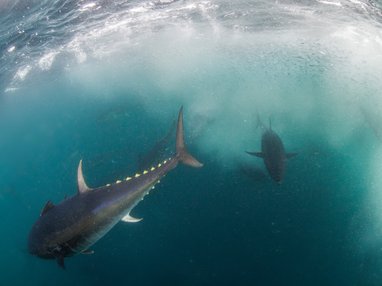
Image credit: Mark Kirkland
Leading the pack is albacore - many (but not all) sources are a Best Choice. The end result is that tuna caught by the same method in a the same location could range from Best Choice to Fish to Avoid, and the only way to narrow it down is to know what species you have.
Where was it caught or farmed?
All of our farmed and wild ratings are specific to a certain area or country. You can usually find this information on the packet and there are very good reasons to look out for it.
Cod and chips is one of the UK's favourite dishes, and we've been catching Atlantic cod in our waters for years.
But in the last couple of decades, things have not been going well for this iconic fish. A combination of unsustainable fishing and the changing climate has put a lot of pressure on this species, and numbers all around the UK are critically low. This puts most locally caught cod at the bottom of the sustainability pile - there are five populations in UK waters and three of them are Fish to Avoid.
The good news is, there are much better sources of cod available to us. Almost all of the cod we buy in the UK is from Iceland or the North East Arctic - Best Choice on the Good Fish Guide. Populations here are booming, and fishing is well controlled.
Incidentally, there is another species of cod you might come across, although it's uncommon in the UK. Pacific cod is caught in US and Russian waters, and there are some Best Choice options here too.
The message to remember is that you can't assume all cod is the same. Where a fish was caught makes all the difference.
How was it caught or farmed?
There are many ways to farm or catch a fish. No method, in itself, is good or bad - it depends on where the fishing or farming is happening, and what measures are in place to make sure harm to the environment is minimised.
The most common method for catching scallops in the UK is dredging. Dredges are heavy, metal-framed baskets with teeth that rake the seafloor, scooping shellfish into their belly. A boat fishing for scallops could be towing up to 20 dredges at a time.
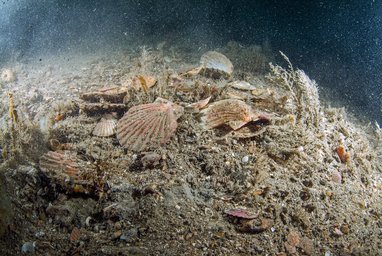
Image credit: Colin Munro
But, as with all our Good Fish Guide ratings, sustainability depends on other factors as well. Scallop catches can only be sustainable when the local population is healthy enough to support them. So even for dive-caught scallops, ratings can range from Best Choice to Needs Improvement.
There is a third way. Farmed scallops make a very interesting alternative. They're usually grown in suspended nets or on trestle tables, and harvested by hand. They don't need to be fed or treated with chemicals, which makes this method of farming very low impact indeed. It also doesn't rely on getting young scallops from the wild, so doesn't affect wild populations. As a result, farmed scallops are a Best Choice option in the Good Fish Guide.
Bonus question: is it certified?
To get their seafood certified, fishers and fish farmers have to meet high standards. Certified seafood is often more traceable, which helps us answer the three big questions - what, where and how. That's why we recommend you look for ecolabels on your seafood.
Farmed prawns are another of our favourite things to eat in the UK. They're a great demonstration of how certification can make all the difference.
Some countries have huge numbers of prawn farms. They can have a high environmental impact, but it can be difficult to know how well these impacts are managed. It's only through certification that we can be sure they're farming responsibly and protecting the environment. Look for prawns that have been certified to be sure you're not getting something on our Fish to Avoid list.
So, next time you're shopping for seafood or are in a restaurant, check the label or ask the servers: what species is it, where was it caught or farmed, how was it caught or farmed, and is it certified?