What is coral? Plus more facts about corals
2 minute read
Although many of us have an idea of what corals look like, do you know what they actually are? Discover all you need to know about this mysterious species with our six facts you (probably) didn’t know about corals.
Before you continue
Coral reefs and other marine habitats are under greater threat from pollution, dredging, and climate change than ever before. Corals need a chance to recover from the damage they have been sustaining over the years.
Can you be coral's protector and give monthly to the Marine Conservation Society?
What is coral?
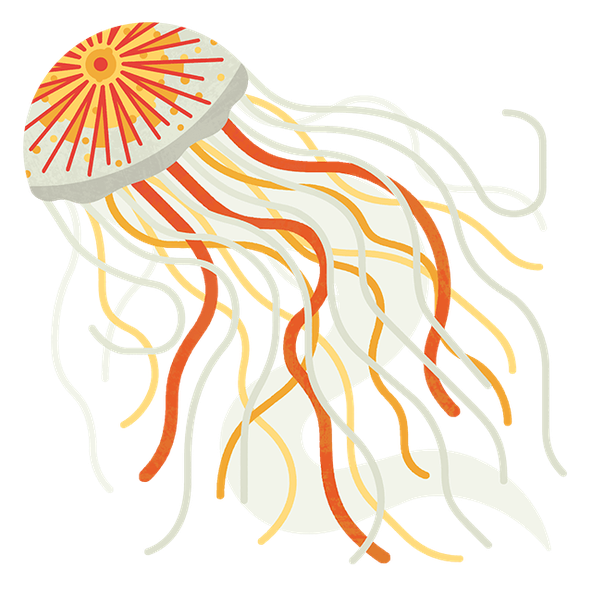
Most people think corals are plants, but they're actually animals. Corals are a type of invertebrate called 'cnidaria', meaning they're more closely related to jellyfish and anemones than they are to any flora.
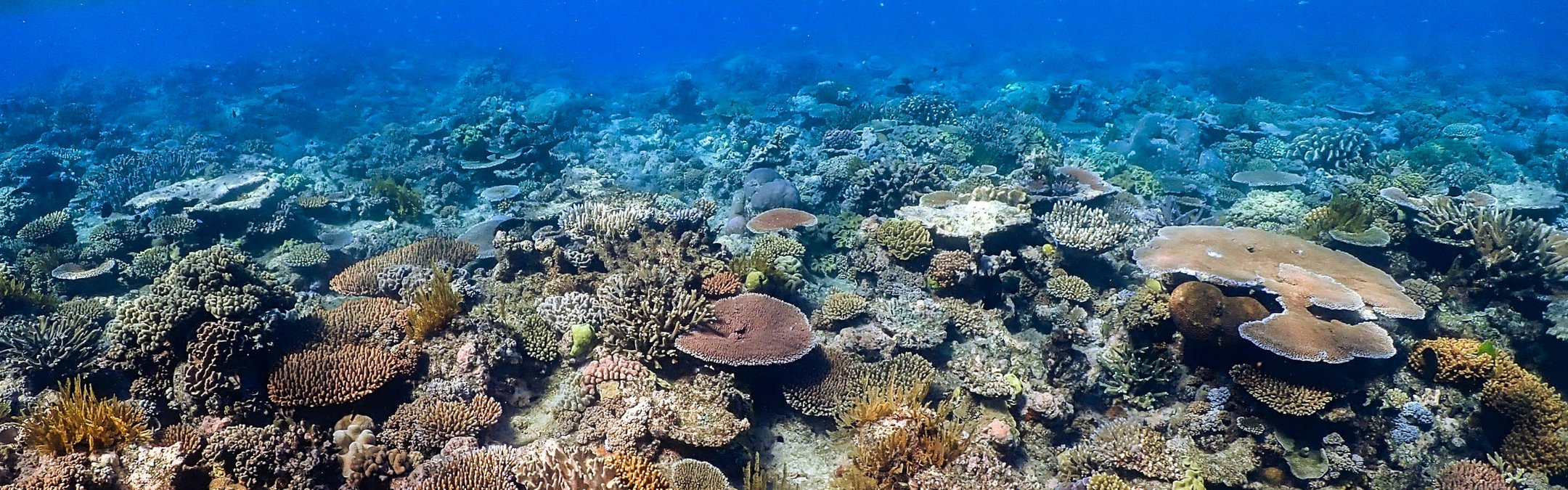
Although coral reefs represent less than 1% of the ocean globally, they're the bustling cities of the underwater world. They play an important role in marine ecosystems, acting as nurseries for fish and supporting an estimated 25% of all marine species.
Now that we've covered what coral is, let's dive in to some other facts about this ocean superstar.
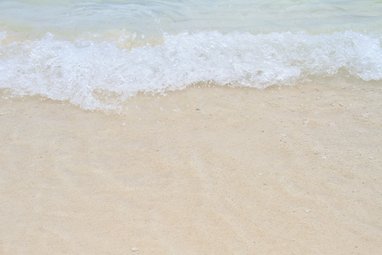
Wave breaks on a sandy beach | Image credit: Theerasak Tammachuen
White sand beaches are also made possible by marine animals such as the parrotfish, which nibble on corals to digest the nutritious algae attached to them. Once they’ve extracted everything, parrotfish excrete the coral as sand, with a single fish producing up to 90kg each year.
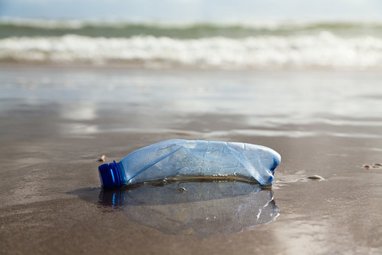
A crushed plastic bottle on the shoreline | Image credit: Canetti
Corals are an underwater pharmacy
Corals are the medicine cabinets of the 21st century, according to the US Department’s National Oceanic and Atmospheric Administration (NOAA). Living a largely immobile life means corals have had to evolve chemical defence mechanisms to keep predators at bay.
These defence adaptations mean that scientists keep discovering new medical treatments derived from corals' unique compounds, with these discoveries potentially leading to new drugs for treating disease.
The organic nature and bone-like structure of coral itself has also helped further medical research. Processed and treated coral skeletons have been used in bone grafting technology and it's believed that researching corals may help us understand and treat skeletal disorders such as osteoporosis.
Although their contribution to medicine is invaluable, sustainable harvesting is essential to prevent further species decline.
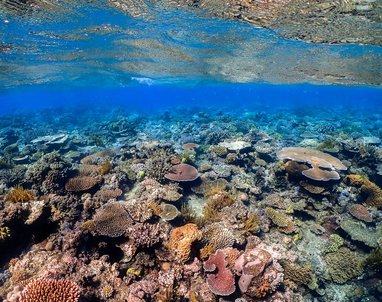
A coral garden in the Great Barrier Reef | Image credit: Kristin Hoel
In fact, stony coral reefs are arguably more effective than seagrass meadows at dispersing large waves and reducing a storm's impact because they have a more solid structure and are generally located closer to the ocean surface. However, both species combat storm impacts slightly differently and can make for a better coastal defence when working together.
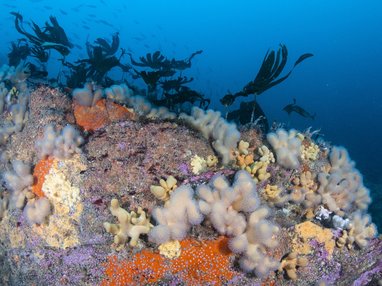
A coral reef and seaweed at Sula Sgeir, Scotland | Image credit: Kirsty Andrews
Corals around our cold waters tend to be more slow growing than tropical coral, which already grows extremely slowly, showing the need to prevent reef damage from actions such as chemical pollution and deep water trawling.
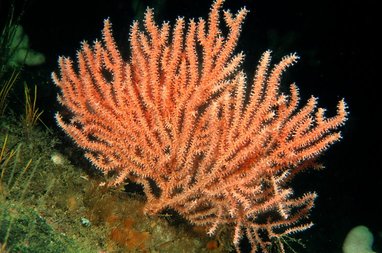
A pink sea fan | Image credit: Paul Naylor
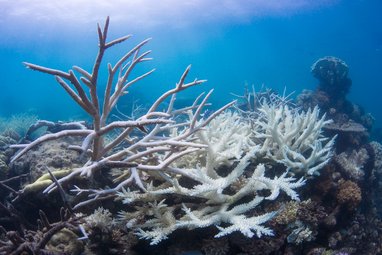
Bleached coral at the Great Barrier Reef | Image credit: The Ocean Agency/Ocean Image Bank
When there are drastic changes in factors like temperature or pollution, it places stress on the algae. As a result, they can abandon the corals. After they leave, the corals lose their colour and eventually die from disease or a lack of food. These drastic changes are generally caused by climate change, with ocean pollution and chemical run-off also playing a role.
93% of the Great Barrier Reef was hit by a global coral bleaching event in 2016, reminding us of the fragility of these unique animals and the urgency to protect them.
What are we doing to protect coral reefs?
The Marine Conservation Society works to support marine conservation at home and abroad. We have worked closely with communities in the Turks and Caicos Islands for nearly two decades, building strong links with our local environmental partners to protect the coral reefs from disease and human activities. We're also making conservation efforts to protect other marine life found around the tropical islands.
In Scotland, we're proud to be leading the Save Scottish Seas project, securing marine conservation wins in Scotland since 2006 and ensuring that Marine Protected Areas in Scotland are enforced to allow Scotland's precious seas to flourish.