Outstanding facts about octopuses (not octopi)
2 minute read
Octopuses are amazing. Here are some fascinating facts you may not know about these remarkable octopedal creatures.
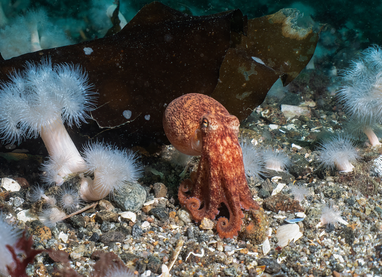
A curled octopus | Image credit: Billy Arthur
It’s not octopi
Did you notice the word octopuses in the title and cringe at our error? Actually, octopi is not the plural of octopus as is generally thought.
The error comes from the assumption that 'octopus' is a Latin word when it is in fact Greek. The true plural would be 'octopodes' but it has been accepted that 'octopuses' is the correct plural in the English language.
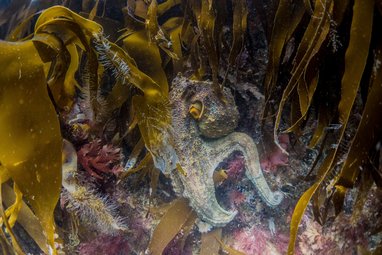
A common octopus | Image credit: Jon Bunker
They can walk on land
Octopuses can use their tentacles to walk along the beach if they are trapped in a low tide or hunting for prey among the rock pools. After eating all the prey in one pool, they can pull themselves out of the water to go and find the next place to hunt.
If you see an octopus walking on land, make sure you give it plenty of space so you don’t frighten it. If you think something may be wrong, contact the British Divers Marine Life Rescue. Never attempt to put any marine animal back in the ocean without help or advice from the experts, as it may be sick or injured.
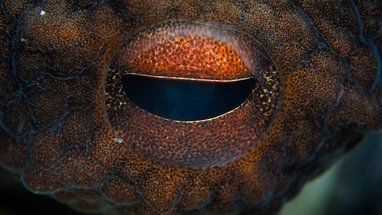
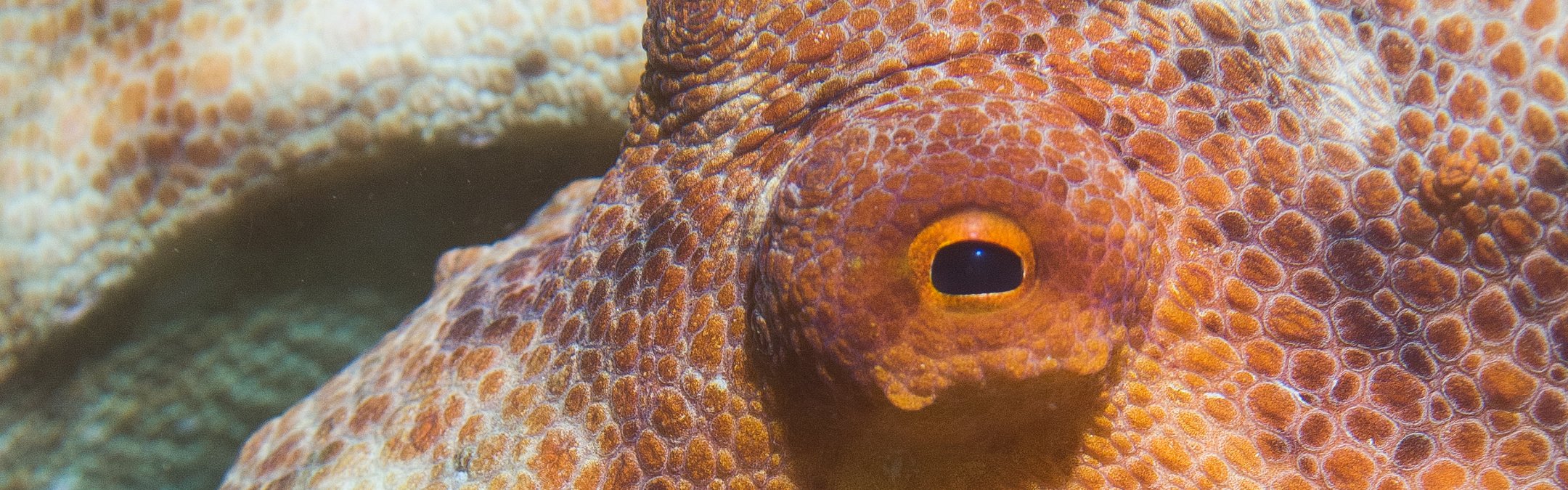
A close up of an octopus eye | Image credit: Oleksandr Sushko
The secret lies in specialised cells found in their skin called ‘chromatophores’. Altering the shape and size of these colour-changing cells allows octopuses to be camouflaged from potential prey and predators. It remains a mystery how they know which colour to become so as to blend in with their environment. Some theories suggest that octopuses can see patterns of light waves, while others suggest they detect changes in brightness and contrast. Whatever the reason, this remarkable adaptation highlights their unique ability to survive and thrive in diverse marine environments.
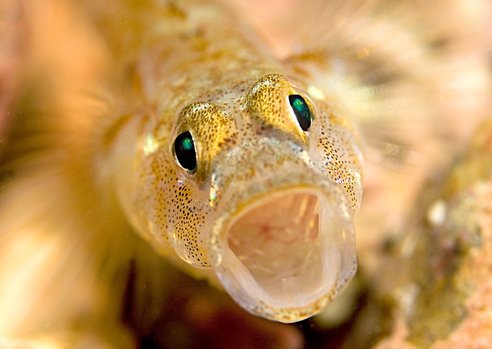
They are seriously smart
Octopuses are clever. They can open jars (both from the inside and the outside). They can build a fortress of stones around them as they sleep to protect them from predators. And they are masters of camouflage – the mimic octopus impersonates a deadly sea snake to scare off predators and other species hide and protect themselves by carrying around a shell or coconut.
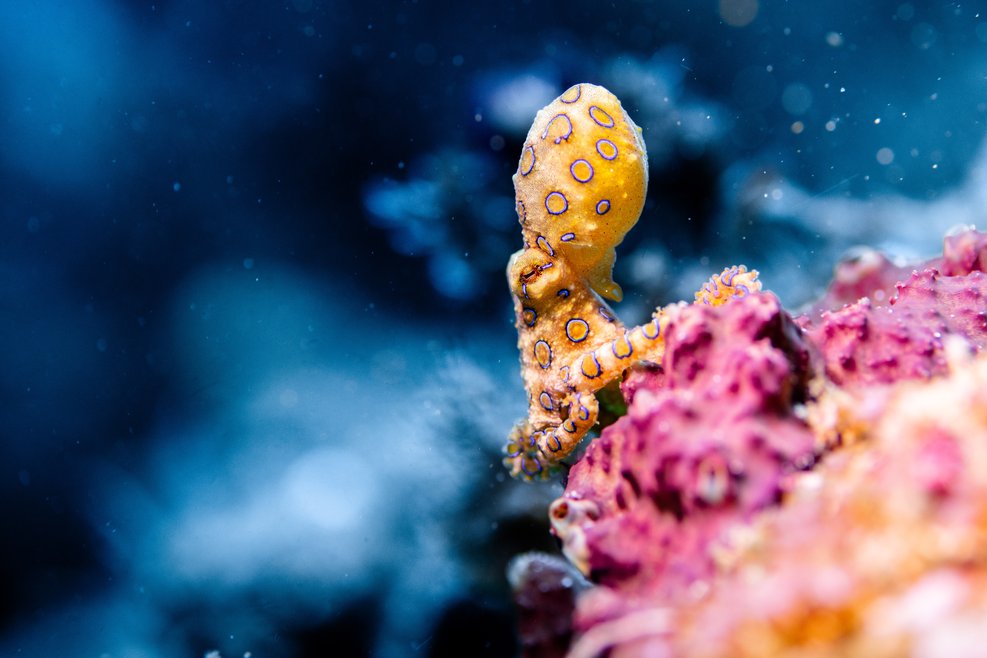
A blue ringed octopus found in Raja Ampat, Indonesia
Image credit: Dani Escayola/Ocean Image Bank
Octopuses are in trouble
They are more than 300 different species of octopus (that we know of). Like all marine life, they are seriously threatened by pollution, loss of habitat and over-fishing. The decline of octopuses also threatens the sharks, birds, whales, dolphins and fish that eat them. The marine food web is deeply interconnected, so protecting every species counts.
If you’d like to help protect octopuses, here are some ideas:
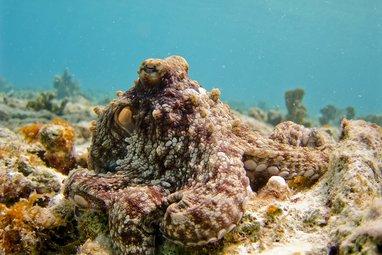
A common reef octopus | Image credit: Vlad Tchompalov