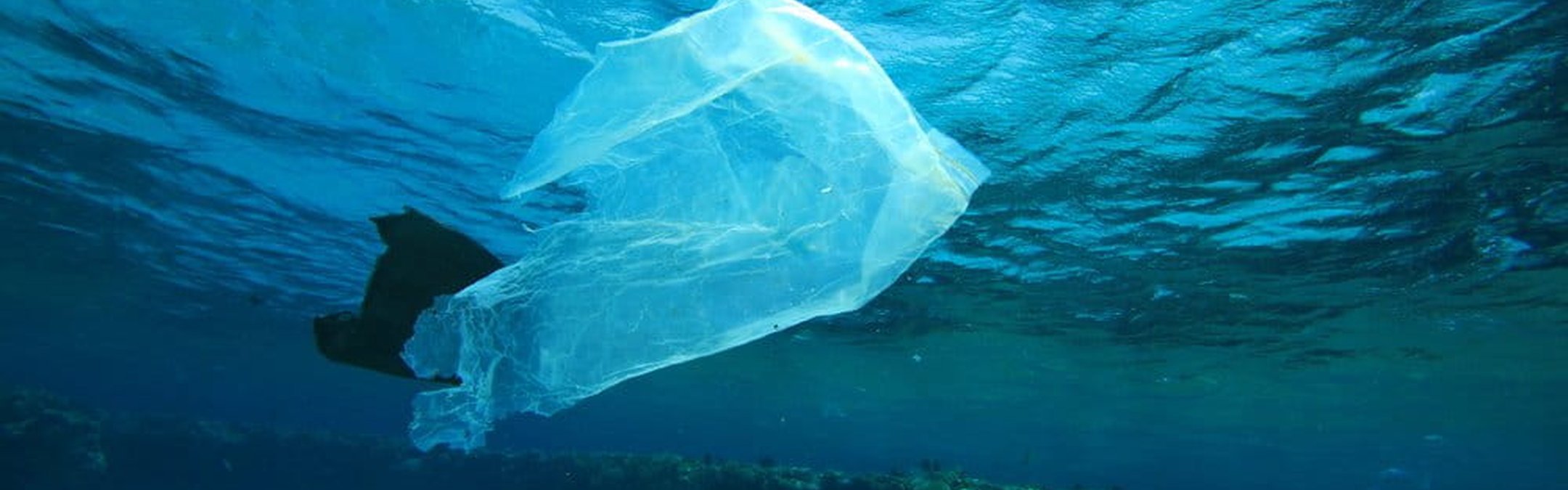
An underwater photo of 3 plastic bags floating in the ocean.

The impact of plastic pollution on marine life

1 minute read

Plastic pollution remains a persistent problem across our shores, and compels us to consider the broader impacts on our precious marine environment and the wildlife that call it home.

The effects of plastic pollution on marine ecosystems

Plastic simply does not belong in our natural environment, especially within marine ecosystems that rely on a balance of processes to both create and break down organic matter. Unlike natural materials, plastic does not decay, it merely continues to break down into smaller and smaller pieces known as microplastics. Once in the environment, microplastics persist indefinitely and are virtually impossible to remove. Alarmingly, these tiny particles have now been detected in our drinking water, within the human gut, and are now widespread throughout our ocean.
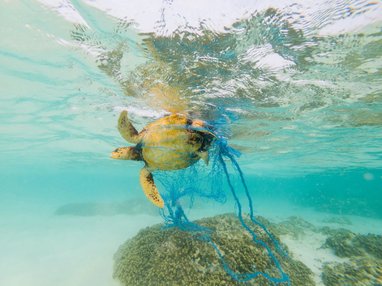
Human activities have introduced plastic debris into the marine environment, meaning marine life can no longer move freely without the risk of entanglement in items such as discarded fishing gear. Once caught, animals may become strangulated or immobilised, leaving them vulnerable to predators - and if they are not freed, the outcome is often fatal.

There is now irrefutable evidence linking plastic pollution to the health of marine animals, having tragically claimed the lives of countless marine mammals, fish, seabirds and sea turtles.

A Hawksbill turtle entangled in a discarded fishing net  |  Image credit: Mohamed Abdulraheem

Marine animals may accidentally ingest plastic while feeding, leading to painful blockages or tears in their digestive system that may prevent them from eating, ultimately putting them at risk of starvation. This is especially alarming given the discovery of plastic pellets washing ashore after the 2025 North Sea tanker collision, posing a serious threat to marine life if ingested.

Once inside their bodies, plastic is also believed to disrupt nervous system function and interfere with reproductive processes. Smaller plastic fragments are known to contain toxic chemicals, which can be absorbed by marine animals after ingestion, leading to contamination, endocrine disruption, and even death. This issue extends beyond marine life, as humans who consume seafood contaminated with microplastics may also face potential health risks.

Seabirds such as the Atlantic puffin only need to consume around three sugar cubes’ worth of plastics to have a 90% chance of death.

Erin Murphy, Ocean Conservancy

How plastic pollution affects different marine species

Practical ways to reduce plastic pollution in our marine environment
There are many simple changes you can make at home to help tackle the plastic crisis. One of the most important steps is to stop buying single-use plastic, every purchase adds to the problem, keeping more plastic in circulation. Instead, opt for sustainable alternatives: have milk delivered in glass bottles, choose plastic-free sanitary products, and never flush these items down the toilet.

Small changes can make a big difference in reducing plastic pollution and protecting our environment.

Catherine Gemmel, Marine Conservation Society Policy & Advocacy Manager

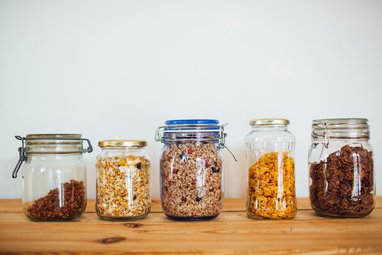
The next step in reducing plastic waste is to prioritise reuse and recycling. Wash and repurpose glass jars and bottles, using them for storage or refills. Take advantage of refill stations at some supermarkets like Aldi or local zero-waste shops to cut down on packaging.

Whenever reuse isn’t possible, always recycle to support a circular economy, that keeps materials in use and out of the environment. Small actions like these help to limit waste and play a crucial role in tackling the plastic crisis.

A row of glass jars on a shelf filled with different types of cereal

Cereal in reusable jars  |  Image credit: Markus Spiske

When out and about, always dispose of litter in a bin - and if you spot rubbish where it shouldn’t be, take a moment to pick it up, provided you have gloves. This helps keep our environment clean and prevents litter from making its way into the ocean. You can also make a bigger impact by lobbying your local parliamentarian to support more effective measures, such as banning single-use plastics, to tackle the crisis at its source.

What are we doing to tackle plastic pollution and protect marine life?
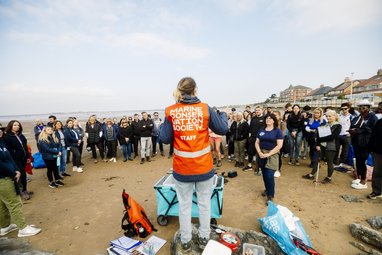
At the Marine Conservation Society, we are committed to tackling plastic pollution at its source. Our annual beach cleaning programme encourages volunteers across the UK to remove litter while collecting vital data on every item found along a 100-metre stretch of beach.

This data feeds into beach clean reports, highlighting the ongoing plastic crisis on our coastlines. These findings help us lobby governments across the UK for stronger policies to reduce single-use plastics and transition towards a society of refill, reuse, recycle.

Help prevent plastic entering our ocean at a time that suits you by joining a beach clean

Find your closest beach clean
A woman wearing a hi-vis orange vest has her back to the camera. She is in front of a group of volunteers. Her vest reads Marine Conservation Society.

A group of volunteers listening to instructions at a Great British Beach Clean event in West Kirby, England  |  Image credit: Sam Teale Productions
Dont live near the coast? You can still help.

Take part in an inland clean

Marine Conservation Society

13 Mar 2026