Jawsome shark facts
2 minute read
Sharks are one of the most recognisable animals of the ocean but how much do you know about them? Find out some interesting facts today!
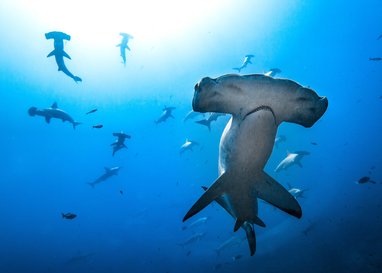
A school of hammerhead sharks | Image credit: Masayuki Agawa/Ocean Image Bank
The dwarf lantern shark is the smallest shark ever discovered
Measuring around 6-8 inches when fully grown, the dwarf lantern shark is the smallest shark species. These tiny creatures can be found in the deep sea around the Caribbean, where they feed on small fish, squid and crustaceans. Its small size means that it is likely to be preyed upon by larger fish including other sharks that hunt in the same depths.
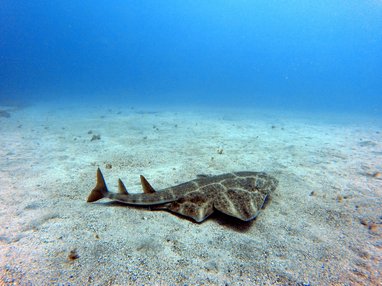
An angel shark swimming on the seabed. | Image credit: Scuba Diverse
Of course, not all species of sharks survived these mass extinction events - but deep-water species and dietary generalists (species that will eat a wide range of food sources) tend to have better odds of surviving mass extinctions. The diversity of shark species may have also played a role in their survival as a group.
The Greenland shark is thought to be the longest-living vertebrate in the world
Greenland sharks can live for more than 500 years. Scientists worked this out by using radiocarbon dating on the shark’s eye lens nucleus. It's also thought that female Greenland sharks may only be able to reproduce after they've reached 100 years of age. If so, this could cause concerns for their population levels.
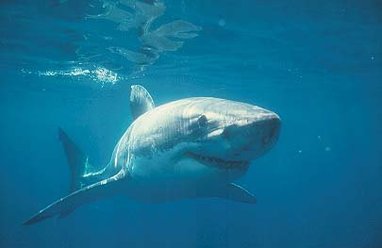
A great white shark swimming toward the camera | Image credit: Jeremy Stafford Deitsch
Sharks inhabit all of the world's oceans
As ancient species, sharks have had a lot of time to adapt to various marine environments, ranging from the tropical waters of the Pacific to the cold, Arctic waters.
Some sharks are even found in UK waters, while others, like the bull shark, can be found in rivers! This is because they're euryhaline, meaning they can survive in both salt and fresh water.
On the hunt for great shark gifts?
Discover the perfect gifts for shark lovers with our high quality products: from shark clothing to notebooks. Our shark gift ideas celebrate these incredible creatures while also supporting marine conservation. Shop now and make a splash with a shark gift that truly matters.
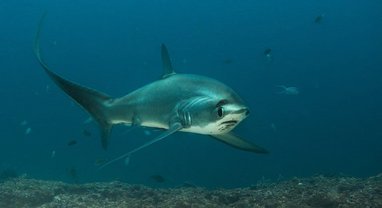
A common thresher shark | Image credit: Saeed Rashid
Conflict can occur when sharks feels threatened, provoked, or are simply investigating an unfamiliar object in their environment (their mouths are filled with sensory receptors). It was originally argued that the silhouette, swimming pattern and splashing caused by someone in the water may also appear similar to a seals and so sharks might mistake people as its natural prey, though this is slowly being debunked. Regardless of why, a shark will often retreat after biting which shows they are not hunting.
Not all sharks hunt in the same way
Although you may have seen some remarkable videos of a great white shark breaching the ocean as it ambushes a seal from below, other species of sharks use different tactics to hunt their prey.
Angel sharks bury themselves in the seabed and wait for their unsuspecting prey to come to them, while whale sharks are usually filter feeders. Amazingly, some sharks have even been recorded working in packs - broadnose sevengill sharks do this to hunt larger prey.
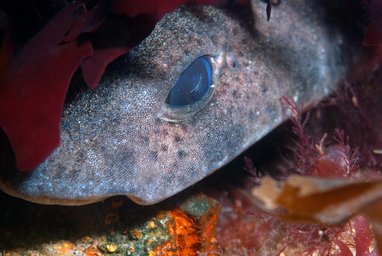
A dogfish, a type of shark, hiding in seaweed | Image credit: Nick & Caroline Robertson-Brown/frogfishphotography.com
Misconceptions that paint them as dangerous predators have also reduced public support for their protection, even though they play a crucial role in maintaining healthy ocean ecosystems.
There is still a lot we do not know about many shark species
Their elusive nature, the vastness of the ocean and our own technological limitations in exploring the deep sea mean that there's still a lot we can learn about sharks. In fact, we're still discovering new species, with a new variety of demon catshark found in the deep waters of Australia only officially recognised in 2023.
With a lot of time, resource and meticulous research, we're slowly unravelling the mysteries of these majestic animals and getting a better glimpse at the misunderstood world of sharks and the human impact that we're having on their environment. But, we must ensure that we secure the future of these species and their home, first.