Atlantic herring
Clupea harengus
IUCN Status:Least Concern
What do they look like?
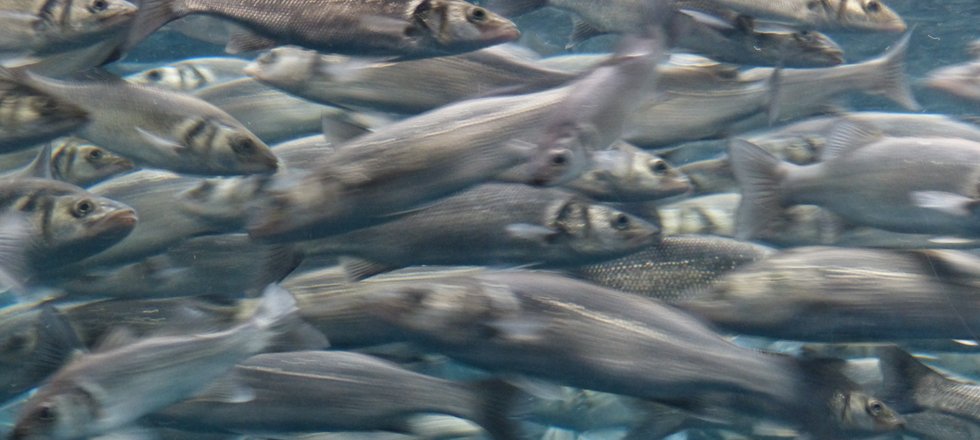
The Atlantic herring is a small, streamlined fish with silver sides and belly, while the upper body shows a blue‑green or blue iridescence which gives off a metallic sheen when seen in the water. The head and gill area can appear darker, and the fish is covered in large, loose scales that detach easily.
Where can they be found?
Found throughout UK waters, but the highest populations are found in the northern North Sea.
Did you know... Atlantic Herring are one of the most abundant fish species in the world and can be found in massive schools on both sides of the Atlantic Ocean. Though the saying 'red herring' means a false clue, no such fish exists!
Key facts
Atlantic herring are among the most social fish in the ocean, gathering in vast, tightly coordinated shoals that move like a single cloud. These schools can reach extraordinary sizes and are a vital food source for a wide range of predators, including dolphins, seabirds, seals, and larger fish, supporting entire food webs from the surface to the deep.
| IUCN status | Least Concern |
|---|---|
| Length | 40cm |
| Weight | 680g |
| Speed and distance | Atlantic herring can swim at a very leisurely pace of 2.4mph. |
| Habitat | Open ocean |
| Diet | This fish feeds mainly on small shrimp and copepods (zooplankton) |
| Age lifespan | For a relatively small fish, they have an incredible lifespan averaging 15 years |
| Threats | As a fish popularly eaten smoked or pickled, Herring sustainability varies a lot and is currently classed as 'OK - needs improvement' on our Good Fish Guide depending on where it is caught. |