Egg wrack
Ascophyllum nodosum
IUCN Status:Not Evaluated
What do they look like?
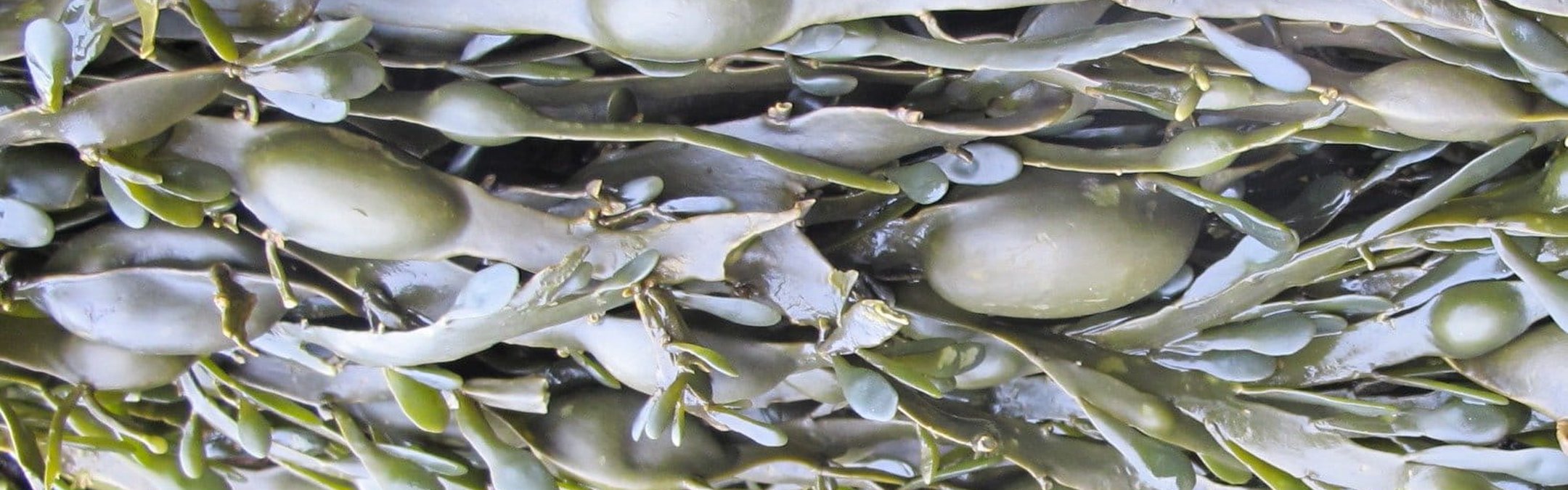
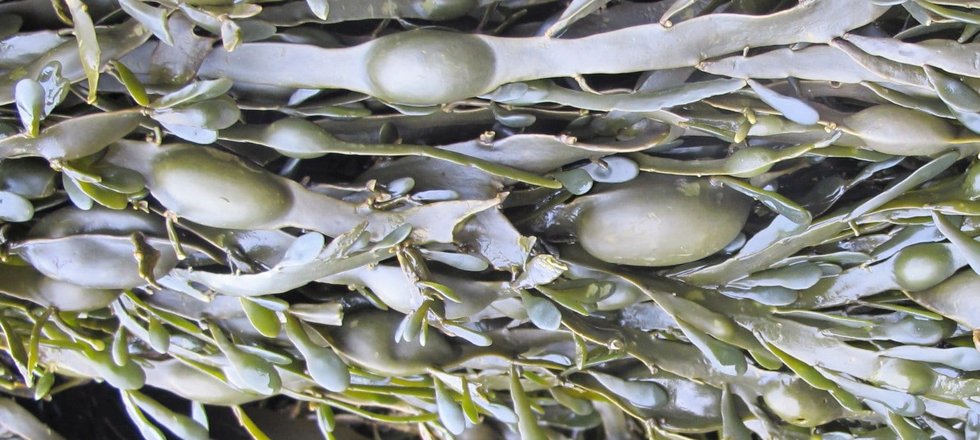
This seaweed is an olive brown leathery necklace of egg-like beads.
Where can they be found?
It can be found all around the UK's rocky shores. However, sheltered Scottish sea lochs are home to a variety of egg wrack that float unattached to the seabed. In areas of higher wave action, their air-bladders are reduced or entirely absent to stop them from getting ripped off the rock.
They're a common sight in mid-shore rockpools where many species may be hiding within or eating it.
Did you know... Like many seaweeds, egg wrack is edible and extremely nutritious. However, don't start eating any you find on your beach just yet! It's best cultivated from living fronds before being cleaned. It's often boiled before being added to soups or stews.
Key facts
Also known as knotted wrack, the “eggs” are actually capsules of air which help the weed float towards sunlight when the tide is in, or are filled with a gooey liquid containing reproductive spores. It can be mistaken for another common seaweed; bladderwrack. However, egg wrack is often found in areas sheltered from strong tides and has large single air bladders with no midrib compared to bladderwrack, which come in pairs either side of a midrib.
It is a key species that many small fish, crustaceans and molluscs rely on for food and shelter.
This species prefers the mid-shore and you might spot a red algae - Vertebrata lanosa - growing on it.
| IUCN status | Not Evaluated |
|---|---|
| Size | Up to 2m |
| Weight | The egg wrack can have a density of approximately 40 kg per square metre when wet. |
| Speed | Egg wrack is anchored to rocks so cannot move. |
| Lifespan | Egg wrack fronds (the main body) can live up to 15 years before breaking from the holdfast (the roots of the seaweed) but the plant will create new fronds from this. In fact, the holdfast itself can live for a few decades. |
| Habitat | Rocky shore, strandline |
| Diet | Using the buoyant egg sacks to stay close to the sunlight, egg wracks use photosynthesis to create glucose in order for them to grow. It also consumes nitrogen and phosphorus from the water as nutrients. |