Eurasian otter
Lutra lutra
IUCN Status:Near Threatened
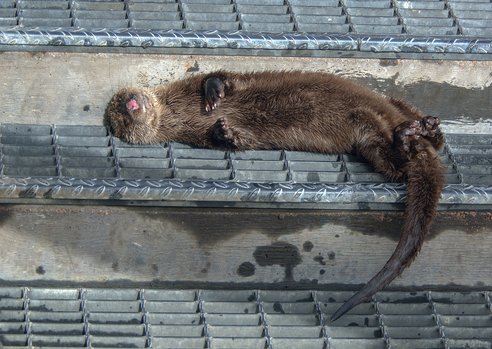
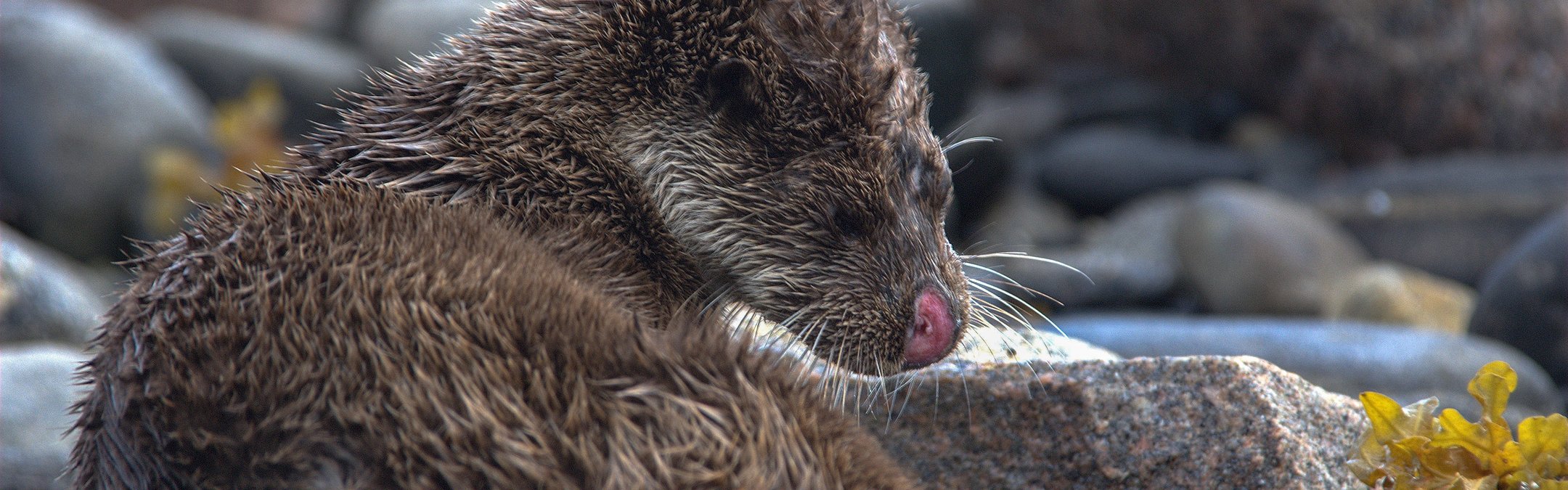
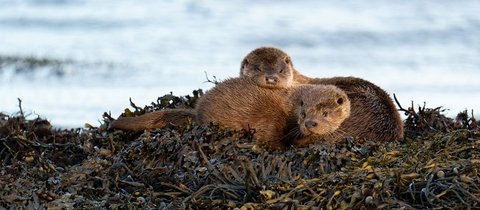
The Eurasian otter is a sleek, semi‑aquatic mammal found across rivers, wetlands and coastal habitats throughout the UK.
What do they look like?
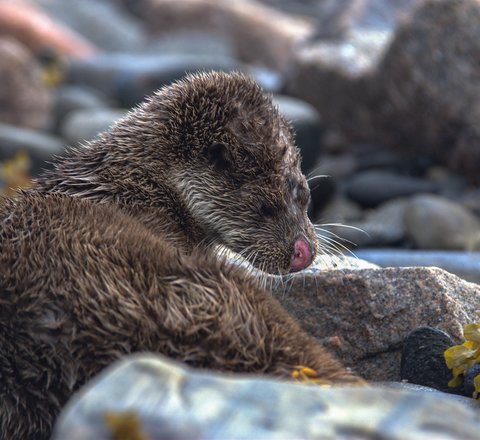
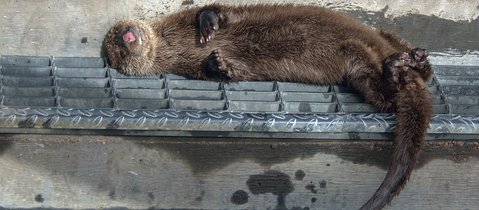
They're perfect for a life on the water, with webbed feet, a rudder-like tail, dense fur to keep them warm, and the ability to close their ears and nose when underwater.
Where can they be found?
Common along healthy rivers, wetlands and coastal habitats in the UK, particularly the west coast of Scotland, West Wales, the West Country and East Anglia.
Did you know... a group of otters is called a ‘romp’.
Key facts
An excellent swimmer, it hunts mainly at night for fish (particularly eels and salmonids), waterbirds, crustaceans and amphibians. Once in serious decline, the species has made a remarkable recovery thanks to cleaner waterways and conservation action.
Otters are normally shy and elusive, but signs such as footprints and “spraint” (droppings) often reveal their presence along healthy riverbanks. The spraints act as ‘scented messages’ helping them to find mates or defend their territories. These droppings usually have visible fish bones and a pleasant aroma.
They’re territorial and only tend to come together to mate. Otters have their cubs in underground burrows, known as ‘holts’, and their young are in the water by 10 weeks of age. The pups tend to remain with their mum until up to 14 months old.
| IUCN status | Near Threatened |
|---|---|
| Length | 60 – 80cm |
| Weight | 6-8 kg |
| Speed and distance | Swimming speeds of up to six miles per hour. |
| Diet | Fish, waterbirds, crustaceans and amphibians. |
| Habitat | Common along healthy rivers, wetlands and coastal habitats in the UK. |
| Lifespan | 5-10 years |