European sea bass
Dicentrarchus labrax
IUCN Status:Near Threatened
Heavily fished to near-threatened status, fishing vessels targeting bass during spawning inadvertently capture thousands of common dolphins each year too.
What do they look like?
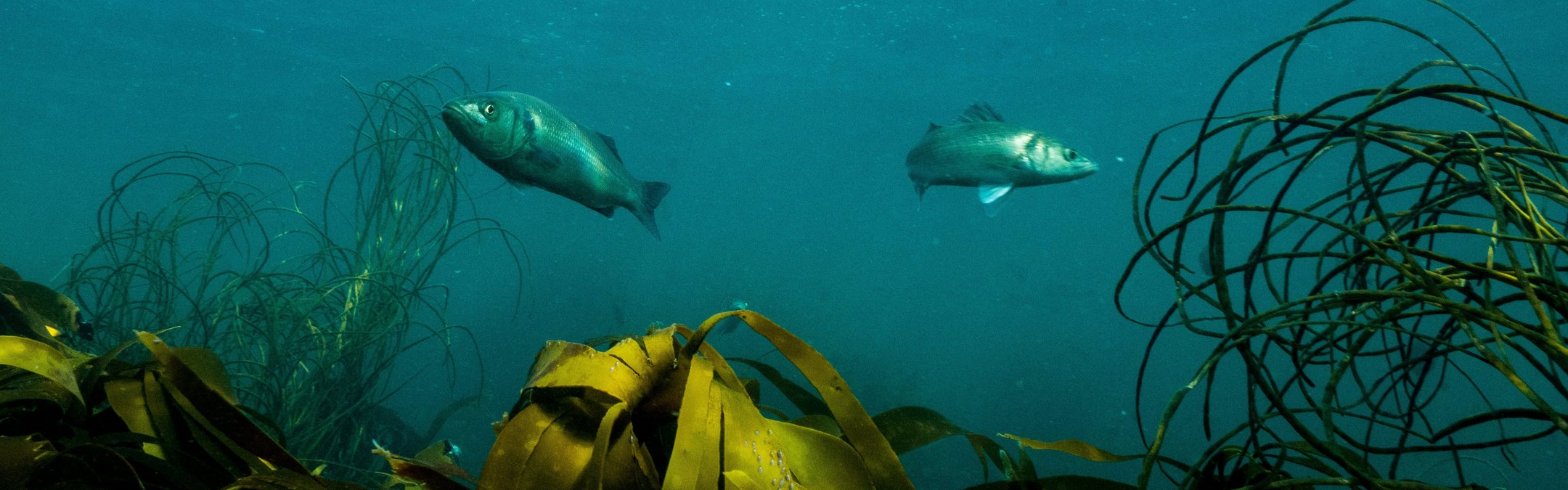
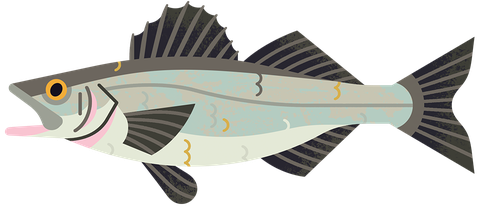
Long and sleek, with dark grey fins and paler grey bodies.
Where can they be found?
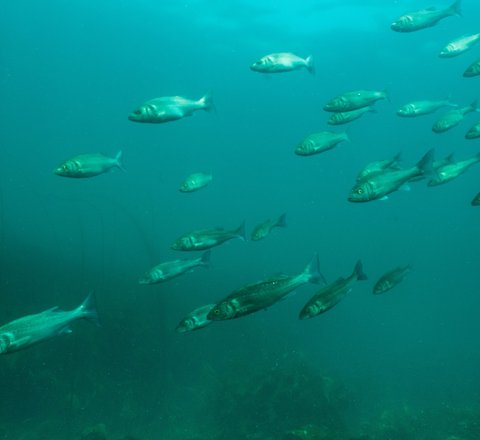
Most common in south and west UK.
Did you know... They take 5–8 years to reach sexual maturity, which makes them vulnerable to overfishing.
Key facts
Long and agile, sea bass are sleek hunters, often prowling the shallow coastal waters and estuaries around the UK. They range widely across the North-East Atlantic, from the Shetland Isles down through the English Channel, entering shallower waters in spring and summer, then moving offshore to spawn in winter.
Once so abundant that they were staples on European menus, sea bass still have high culinary popularity under various names -“branzino” in Italy, “loup de mer” in France, and “spigola” in parts of Southern Europe.
Between December and March, the Bay of Biscay serves as key spawning grounds for sea bass. However, fishing vessels targeting bass during spawning inadvertently capture thousands of common dolphins each year.
| IUCN status | Near Threatened |
|---|---|
| Length | 50-85cm |
| Weight | 12kg |
| Speed and distance | European sea bass can travel quite significant distances, especially when travelling between inshore feeding grounds to offshore spawning grounds. They can swim at speeds of around 4mph, but can have short bursts of around 10mph. |
| Habitat | Subtidal |
| Diet | Sea bass enjoy a balanced diet of sandeels, crustaceans, molluscs and worms. Sometimes, they'll even eat smaller bass - yikes! |
| Age lifespan | A relatively long life span - the European sea bass can live between 20-30 years. |