Goose barnacle
Lepas anatifera
IUCN Status:Not Evaluated
This creature might look odd, but it gives us highly useful insights into ocean pollution.
What do they look like?
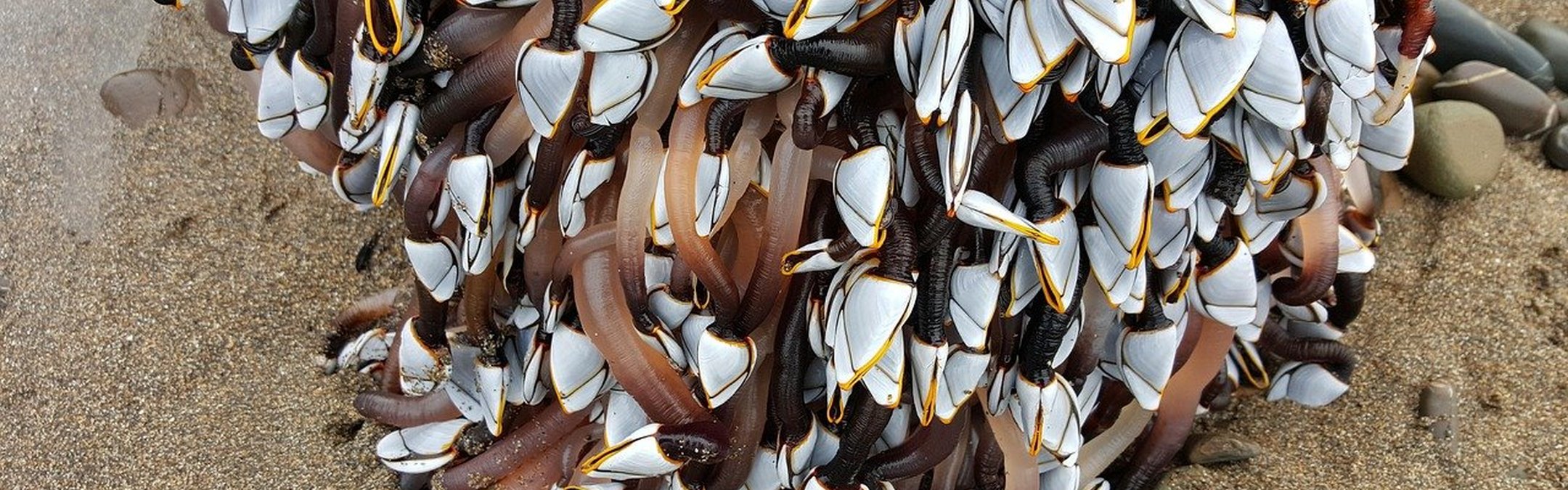
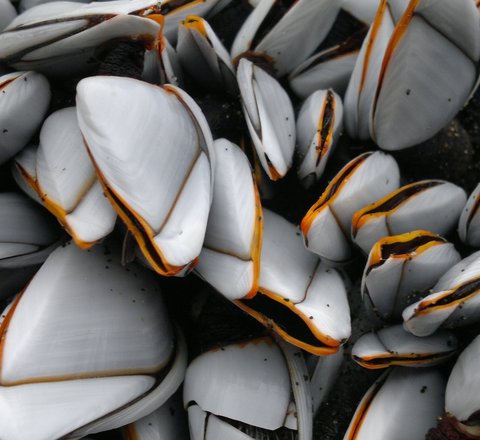
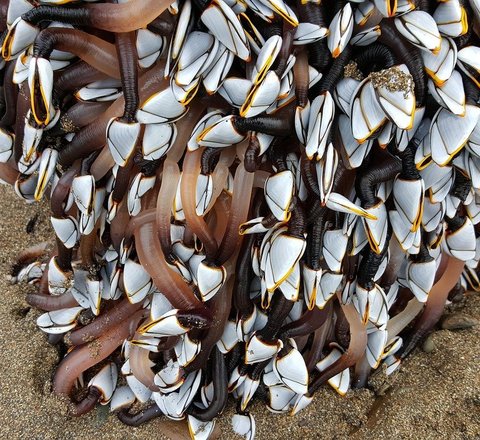
Goose barnacles are unusual looking marine creatures with a long, fleshy black stalk that looks like a neck, topped with a chalky white bony plated shell where the main body lives - making it look like a goose head. They feed by waving their specially adapted feathery legs through the water, filtering tiny bits of plankton and drifting detritus.
Where can they be found?
Goose barnacles spend most of their lives drifting on floating or swimming objects at sea. The floating objects they are attached to often wash up onto beaches after storms - especially on west coasts.
Did you know... In 2015, thousands of goose barnacles were found on a piece of an American spacecraft that washed up on the Isles of Scilly!
Key facts
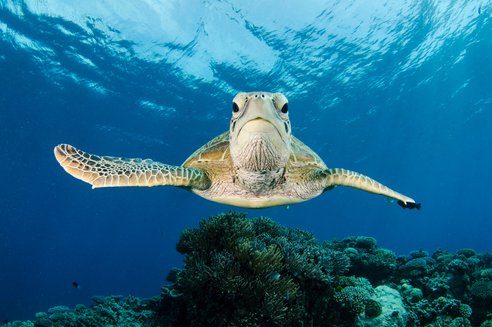
They spend their lives attached to rocks, ship hulls, ropes, and floating debris far out at sea, and are often washed onto the west and south‑west coasts of the UK after storms. Goose barnacles can also hitch a ride from larger animals such as turtles and whales. In many parts of the world they’re considered a delicacy and are prized for their rich, briny flavour.
Scientists believe goose barnacles may even migrate, travelling from Arctic waters to warmer seas, but their slow, drifting, almost ghost‑like movements make their journeys difficult to track. Because they grow and reproduce quickly, they often seem to appear suddenly in large clusters.
As filter feeders, goose barnacles have been recorded feeding on microplastics which is a worrying sign. Although they survive the encounter, the long‑term effects of ingesting plastic are still unknown.
| Also known as | Duck barnacle |
|---|---|
| IUCN status | Not Evaluated |
| Diet | Goose barnacles are filter feeders, using their feather‑like cirri (pronounced “si‑ree”) to sweep zooplankton and drifting detritus from the water. Because they feed on whatever the currents deliver, they also accumulate chemicals and microplastics which make them useful indicators of what’s happening in the surrounding ocean. |
| Size | The average goose barnacle stalk ranges between 5-10cm whereas the shell is approximately 2-5cm. They often look larger than they are because they are found in a big cluster together. |
| Weight | A single goose barnacle will weigh under 30gs. However, as they are often clumped together, the group can easily weigh over 1kg. |
| Speed and distance | Once attached to a surface, goose barnacles do not move but depending on what they are attached to, they might move large distances across the ocean whether from the currents or the animal they may have attached to. |
| Lifespan | Goose barnacles can live between 1-3 years but as they reproduce very quickly, large groups can seem to appear out of the blue. |
| Reproduction | Goose barnacles are simultaneous hermaphrodites, which means each one has both male and female reproductive organs. Because they’re fixed in place and can’t move to find a mate, they use a long, extendable penis to transfer sperm to nearby barnacles. It’s actually the longest body part relative to size of any animal on Earth, and it helps them reproduce even when space is tight on whatever they’re attached to. |