A guide to eating seafood sustainably for less
Give mussels a go
Mussels farmed in the UK are true seafood superheroes. Grown using low-impact methods and harvested by hand, they get all the nutrients they need from the sea around them. A simple dish of mussels cooked with white wine and garlic offers a sustainable, nutrient-rich, and cost-effective dinner option.
Opt for lesser-known species
In the UK, most seafood consumption revolves around the big five: cod, haddock, salmon, tuna and prawns. However, we encourage you to consider lesser-known species such as coley and hake, which provide affordable and sustainable alternatives. These underutilised fish often come from more abundant stocks, so by diversifying your seafood selection, you’re not only saving money, but also helping to reduce pressure on overfished favourites.
Ask before you buy
We recommend visiting your local fishmonger to discover fresh, locally caught and in-season seafood. They’ll be happy to recommend affordable, sustainable alternatives to popular fish, and offer guidance on cooking species you might not have tried before.
Try tinned options
Oily, fatty, and omega-3 rich fish varieties such as anchovies and sardines are regularly available in tins and jars. These tinned options are not only healthy and convenient, but also support ocean-friendly practices while being kind to your wallet. While mackerel populations are in decline, make sure that if you do choose mackerel, look for line-caught – it will say on the tin!
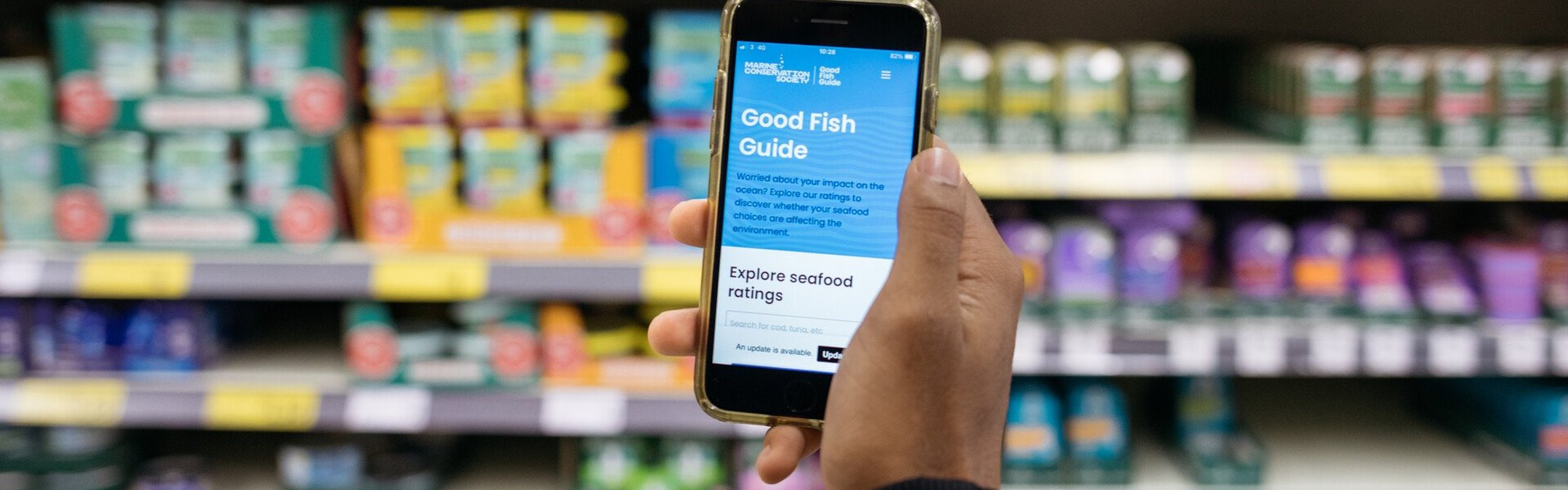
For any fish you buy, make sure to check the label for where it was caught and refer to our Good Fish Guide to confirm its ocean-friendly status.
Buy whole fish
Instead of opting for pre-cut fillets, consider buying whole fish such as hake or lemon sole. Whole fish are typically more affordable, and every part, including bones and skin, can be used to create homemade stocks. Cooking whole-baked fish not only feeds a crowd for less but also helps minimise waste and maximise sustainability.
Go frozen
Choosing frozen seafood is a great way to extend shelf life, reduce waste and make the most of your meals. Frozen options are often just as nutritious and delicious as fresh, and many sustainable alternatives are often available in bulk, helping you to enjoy ocean-friendly fish for less.