Fascinating facts about jellyfish
1 minute read
Jellyfish have been drifting, floating and bobbing along in our ocean for over 500 million years - that's longer than dinosaurs, and a lot longer than us. We're sharing some facts you might not know about jellies...
A barrel jellyfish | Image credit: Sam Morys
Jellyfish are 95% water
Surprisingly, jellyfish are mostly made up of water, not jelly. This is why they look so different in the water than out of it.
They don’t have brains, hearts, or lungs
Jellyfish are very simple organisms. Their bodies are made up of just three layers— the outer epidermis, a gelatinous middle layer called the mesoglea, and the inner gastrodermis which lines the gut cavity and helps jellyfish to digest food and absorb nutrients.
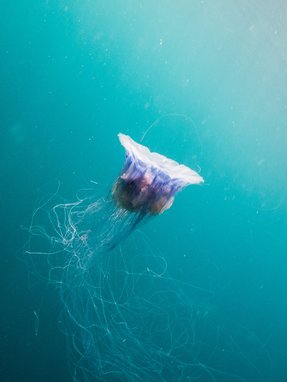
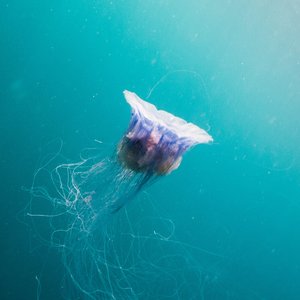
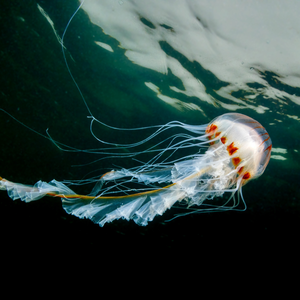
A blue jellyfish found in Scotland | Image credit: Mark Harris
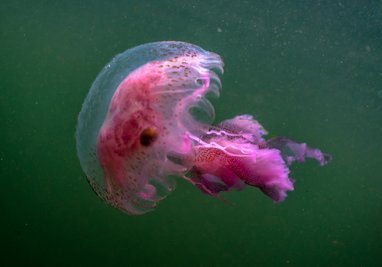
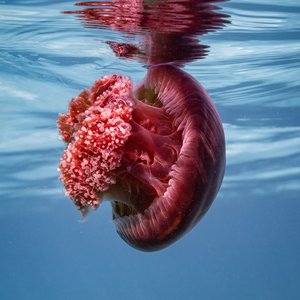
A mauve stinger jellyfish | Image credit: Peter Bardsley
Jellyfish have hydrostatic skeletons
Rather than a skeleton made up of bones, jellyfish have bells containing fluid and circular muscles. If they want to move, jellyfish can propel themselves along by contracting their muscles and squirting water in the opposite direction from where they want to go.
Or to save themselves the effort of doing this, jellyfish can also simply drift along with the ocean’s currents.
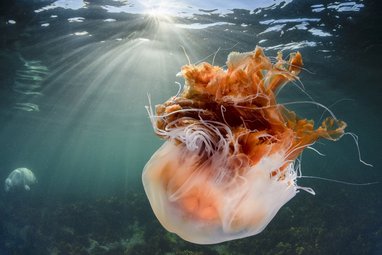
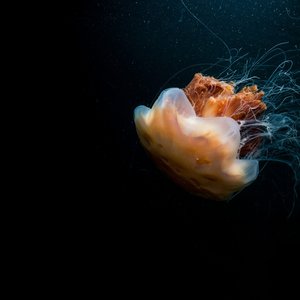
A lion's mane jellyfish, Farne Islands, Scotland | Image credit: Kirsty Andrews
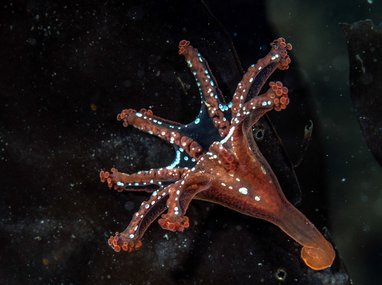
A stalked jellyfish | Image credit: Peter Bardsley
Some jellyfish can turn back their biological clock
Jellyfish begin as a polyp, before becoming an ‘ephyra’ and then an adult ‘medusa’. But, if injured or starved, or in water which is either too hot or cold, an adult Turritopsis dohrnii (also known as the immortal jellyfish) can drop to the seabed and become a polyp all over again.
Box jellyfish are highly advanced
Unlike most species of jellyfish, box jellies have eyes and can see, rather than only sense light. They have 24 eyes spread across all four sides of their bell, meaning that they have 360-degree vision.
Not only that, but box jellyfish can also move up to six metres per minute! The shelf-like shape of their bells allows them to catch and expel water more quickly than most jellies, which simply drift with the current.
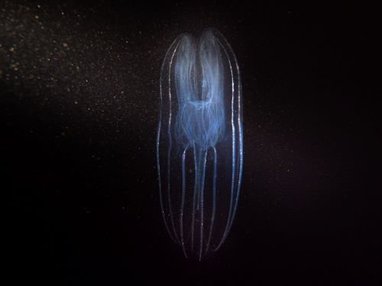
A comb jelly | Image credit: Mar Kirkland
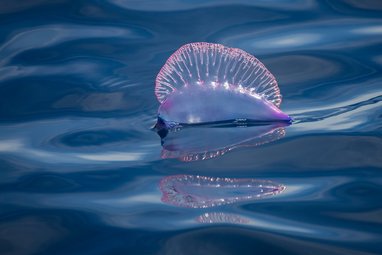
A Portuguese man o'war | Image credit: Gonzalo Jara
Some jellyfish trap their prey, while others trawl
Jellyfish spend a lot of their time seeking food. Some arrange their tentacles in a twisted, spiral pattern to trap prey. Others simply drag their tentacles behind them like a trawler net as they drift along the ocean.
Jellyfish have advanced medical science
Naturally occurring proteins in crystal jellyfish (allowing them to emit light and glow green or blue) have revolutionised science and medicine in areas including cancer research, neuroscience and malaria research.
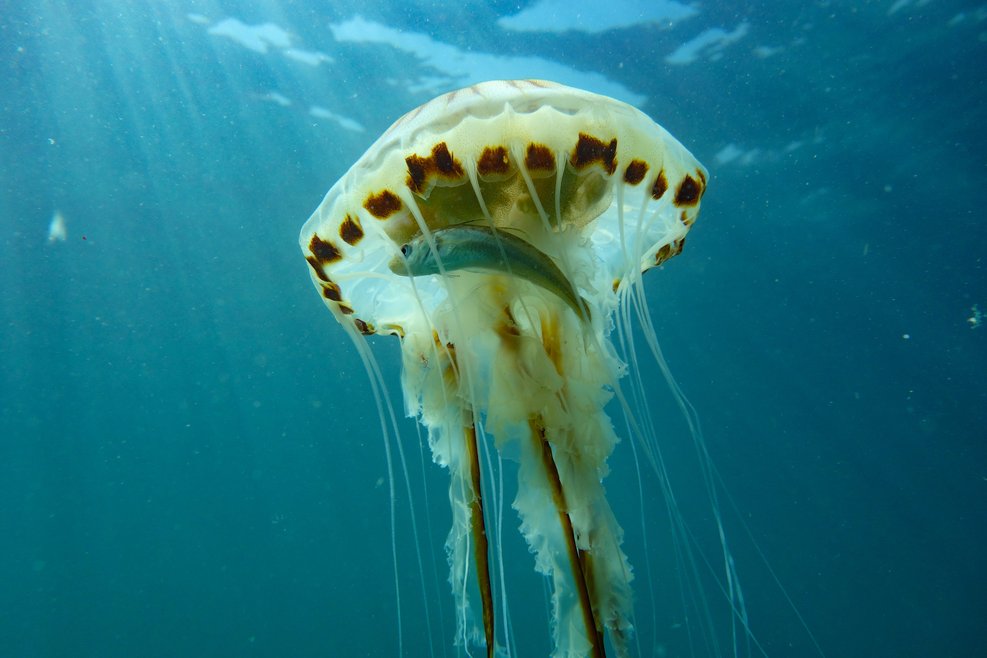
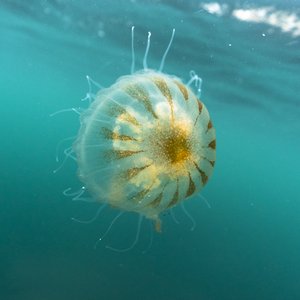
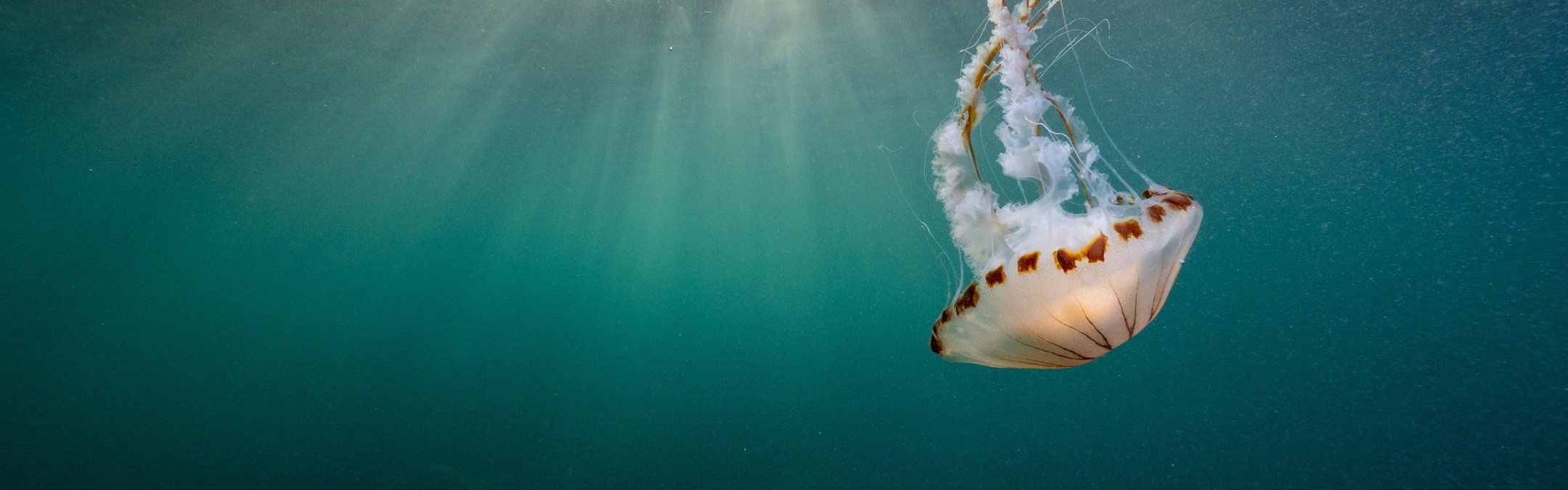
Compass jellyfish and companion
Image credit: Heather Hamilton