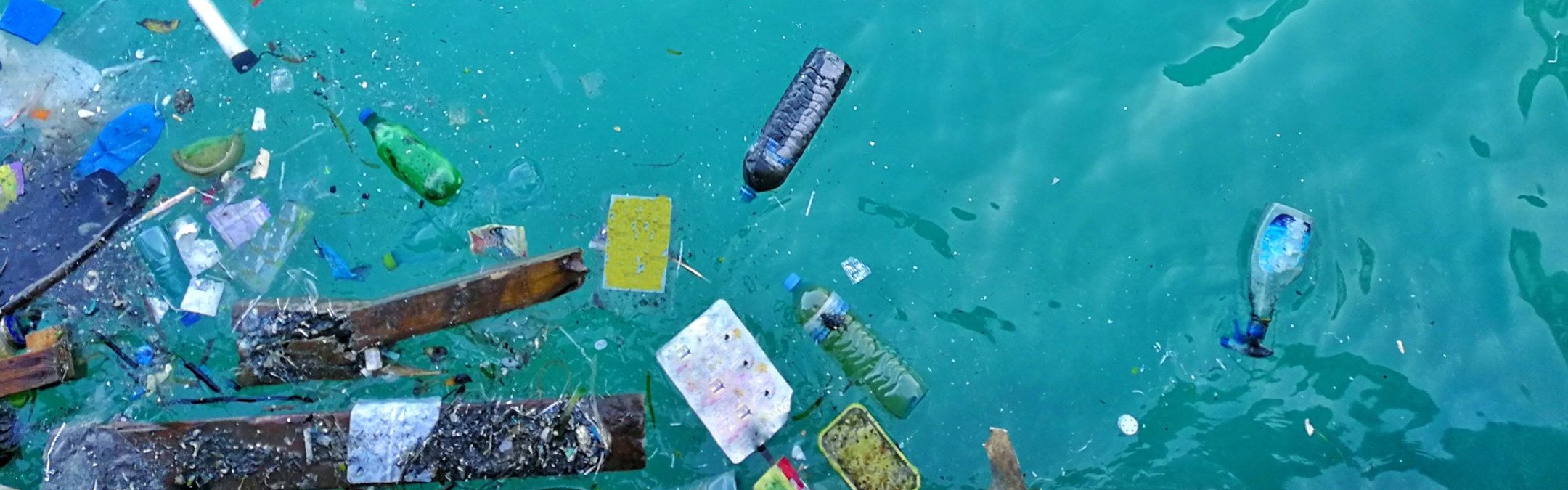
A variety of single-use plastic litter including bottles and cartons are floating in the ocean

Marine litter (7-11)
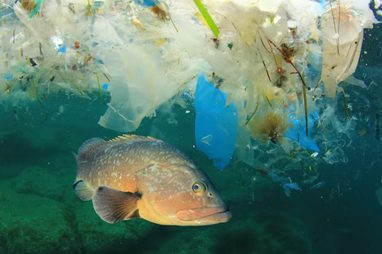
Litter in our seas can cause harm to all forms of animals, from tiny plankton to giant whales. These resources will help students explore the impacts of litter on marine life.

    1. How clean are our seas?

    This lesson gives an overview of the litter in our seas, exploring how marine litter is a global issue and some of the ways animals can be impacted by it.

    1. How clean are our seas? (ages 7-11) Lesson plan

    The issue of plastic pollution in marine environments  |  Image credit: Rich Carey via Shutterstock
    2. Source to sea

    Explore how your local area connects to the ocean and how litter travels from sources on land to the sea.

    2. Source to sea (ages 7-11) Lesson plan
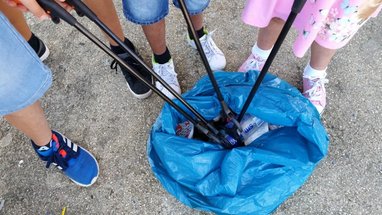
    This image shows a community litter picking activit

    Image credit: Kate Whitton

    3. The plastic problem

    Sort commonly-found litter items into groups by their materials and properties, explore degradation times of various litter items, and consider the effect they could have on the environment. 

    3. The plastic problem (ages 7-11) Lesson plan
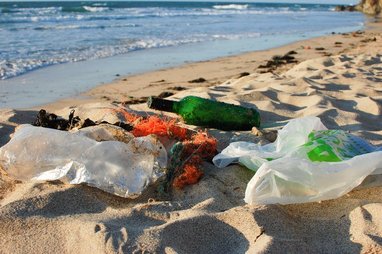
    litter, specifically plastic bottles and plastic bags, polluting a sandy beach and shoreline.

    Litter, specifically plastic bottles and plastic bags, polluting a sandy beach and shoreline.  |  Image credit: Natasha Ewins

    4. Community clean-up

    In this lesson, your pupils will head out on a litter pick in your local area. 80% of the litter on our beaches comes from inland sources, which means we can all have an impact on reducing marine pollution no matter where we live.

    Download the Source to Sea Risk Assessment

    4. Community clean-up (ages 7-11) Lesson plan
    Great British Beach Clean event on a stony beach in Seaford, Sussex.

    Great British Beach Clean event on a stony beach in Seaford, Sussex.  |  Image credit: Billy Barraclough
    5. Artivism

    Learn how artists have used their work to raise awareness of environmental issues, and generate your own campaign around marine litter at school or in your local community. Use the presentation below to explore some examples of ocean artivism.

    Download the Artivism presentation resource

    5. Artivism (ages 7-11) Lesson plan
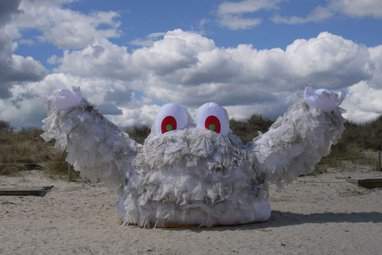
    a large art installation named "Wallace," a monster created from wet wipes to highlight environmental pollution.

    A large art installation named "Wallace," a monster created from wet wipes to highlight environmental pollution.  |  Image credit: Mick Buston/Alamy
    6. Unflushables

    This lesson focuses on how wet wipes and other harmful 'unflushable' items find their way to our seas.

    Pupils will carry out an experiment focusing on materials and their properties, and create a campaign for change based on what they've learnt.

    6. Unflushables (ages 7-11) Lesson plan
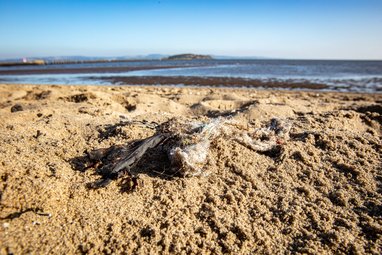
    A clump of litter, including a disintegrating wet wipe, is found on a sandy beach in Crammond, Scotland.

    A wet wipe littering a beach.  |  Image credit: Holtography

    7. Microfibres

    Learn how microfibres released from clothes when they're washed affects marine animals.

    Students will conduct an investigation into this little known form of microplastic pollution to observe its impacts. The session is full of creative ideas to engage your students with the topic of fast fashion, including learning how to mend clothes and running a second-hand fashion show.
    Check out the wildlife A-Z

    Learn about our amazing local species

    Check out other ocean topics for 7-11 year olds