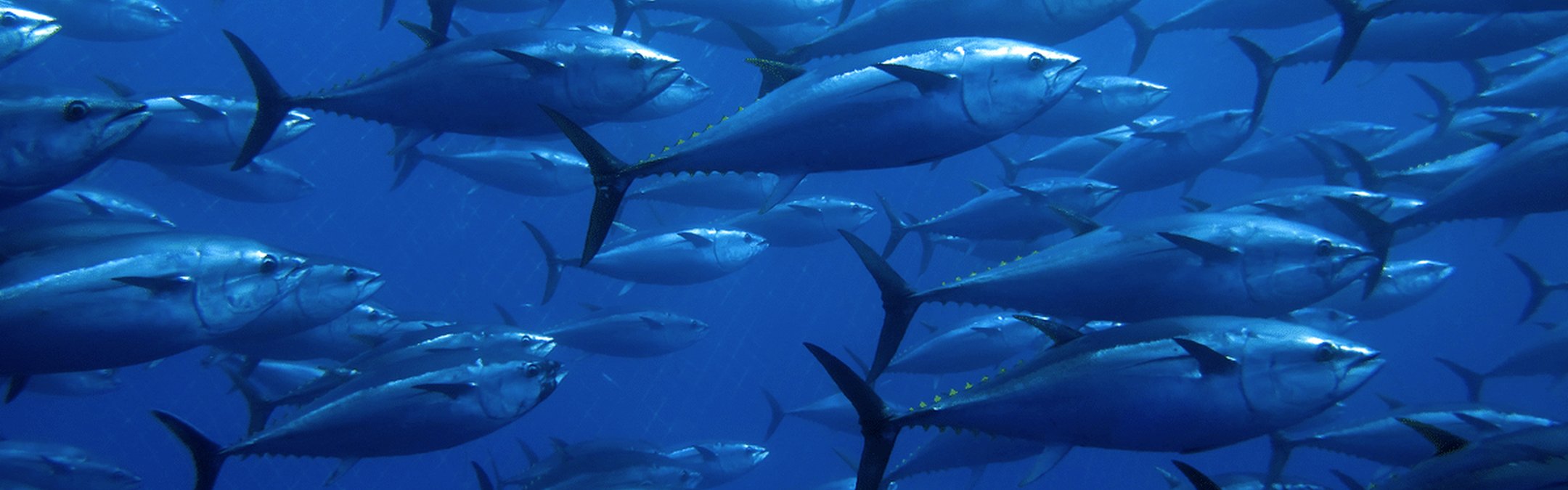
Tuna fish swimming in the deep blue ocean

Cubs

Explore our ocean with action-packed resources for Cubs. Our fun activities and games help your Cubs develop problem-solving skills while learning more about our seas.


    General activities

    • Fun fishy games: Kick-off a meeting with one of these marine-themed warm-up games.
    • Blue mindfulness: A wind-down activity based around imagining the peace and calm of being near water.
    • Life in UK seas quiz: Test everyone’s knowledge of what lives in UK seas with our simple picture quiz.
    • Marine animal charades: Have fun while learning about endangered marine animals.
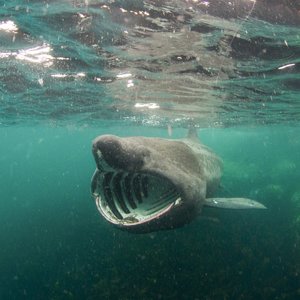
    • Make a basking shark: Work as a team to mark out a basking shark and see how big these incredible creatures really are.
    Download Cubs general activities pack
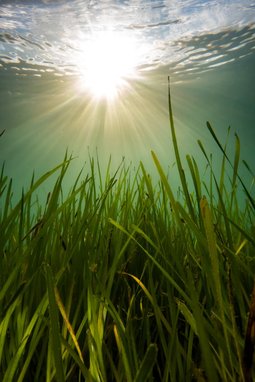
    A thriving meadow of seagrass, the sun rays are shining from above

    A thriving meadow of seagrass  |  Image credit: Georgie Bull
    Naturalist Activity Badge

    If visiting a seashore for Requirement 2, our Seashore safari guide and Seashore code will be useful, and our Rockpool spotter sheet will help you observe wildlife in any rockpools.

    It’s likely that you'll encounter litter when exploring the seashore. You could use our Seashore eyesore activity to take action to tackle the sources of the litter. Visit our beach clean pages to find out how your pack could take part in a beach clean.

    Download Cubs Naturalist Activity Badge pack
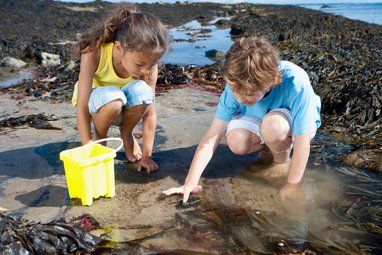
    2 children engaging in an educational coastal activity known as rock pooling. The gil has a yellow bucket next to her.

    Children exploring a rock pool at a beach.  |  Image credit: Air Images
    Environmental Conservation Activity Badge

    If you are planning an anti-litter campaign for Requirement 4, our Action for the ocean activity will help you understand that no matter where you live, stopping litter at source can help save our seas. Our Marine litter fact file gives some useful background information that you could use in the campaign.

    You could record the litter you find on our data form and upload it to the national Source to Sea database. The data collected will form part of the evidence base we use to help us campaign for change. For example, we’ve used data collected in previous years to make the case for the 5p carrier bag charges across the UK.

    Download Cubs Environmental Conservation Activity Badge pack
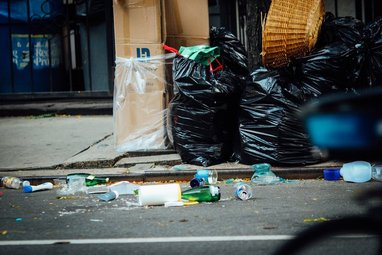
    Street litter and garbage bags

    Street litter and garbage bags  |  Image credit: Jon Tyson
    Animal Carer Activity Badge

    For Requirement 2d, you could use our Threats to ocean life activity which uses fun games to introduce your pack to the dangers that threaten marine wildlife. Play a Top-Trumps-style game to find out about some of the UK’s endangered marine life and explore the threats to them. The activity also includes games that can be used to introduce the concepts of overfishing and marine litter pollution.

    Cubs who would like to find out more about issues faced by marine life could use our Ocean Threats image reel to kick off their research.

    Download Cubs Animal Carer Activity Badge pack
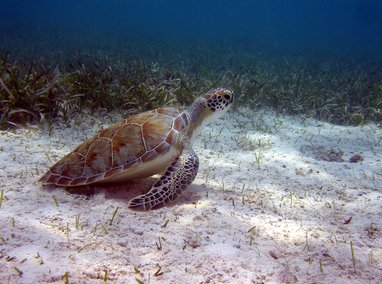
    Green sea turtle (Chelonia mydas) gliding over a shallow sandy bottom covered in seagrass.

    Green sea turtle gliding over a shallow sandy bottom covered in seagrass.  |  Image credit: Peter Richardson

    Global Issues Activity Badge

    Bathroom waste is the least recycled in the UK.

    As part of Requirement 2, you could audit the products everyone uses in the bathroom to consider how to recycle more and aim for a zero waste bathroom.

    For Requirement 3, you could take part in World Ocean Day, a UN day held every year in June to recognise Sustainable Development Goal 14, ‘Conserve and sustainably use the oceans, seas and marine resources’. To mark the event you could organise a Big Blue Day of ocean-themed activities and fundraise for us by holding an event, selling items or taking on a challenge. Try to make any event you run ocean friendly by going plastic free.

    Eco-friendly, reusable products

    Eco-friendly, reusable products  |  Image credit: Anna Oliinyk from Unsplash

    Our World Challenge Award

    There are lots of ways you could take part in an environmental project (Requirement 6) that will help protect the future of the ocean.
    Big Seaweed Search

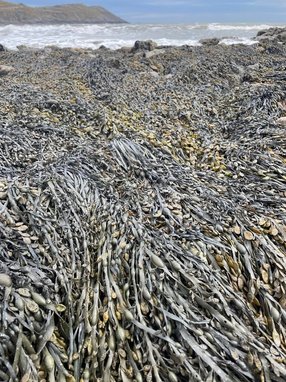
    If you live near the sea, you could contribute to a globally-important environmental project – the Big Seaweed Search – run in partnership with the Natural History Museum. By recording the distribution of 14 seaweed species on UK shores, we can monitor the effects of rising sea temperatures and the impact of ocean acidification on UK sealife.

    You can do this on any seashore around the UK, but you'll find more seaweeds on shores with hard structures such as rocks, sea walls and piers.

    Find out more about the Big Seaweed Search

    Knotted Wrack, a type of brown seaweed
    Beach clean

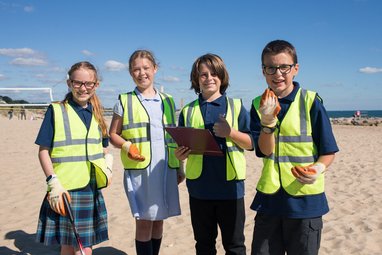
    Beach cleans improve the environment and help keep the ocean safe for marine wildlife. You can find out more about organising a beach clean or join an existing one on our website.

    Our beach cleans are a little different, as we not only clean the beach, but we also survey the litter we find over a 100-metre stretch of beach. This data becomes part of our national database that we use to make positive changes to our marine environment. It’s easy to do - we’ll guide you through the process on the clean.

    Find a beach clean near you
    4 school children looking at the camera wearing hi-vis jackets and gloves on. The girl on the far left is holding a litter picker and the boy that is centre right is holding a clipboard. They are on a beach

    Young Volunteers  |  Image credit: Billy Barraclough
    Litter pick

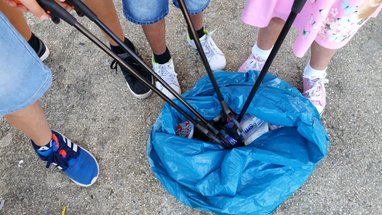
    You don’t need to live near the sea to help protect the ocean. 80% of litter in the ocean comes from the land, which means removing litter from wherever it is in the environment will prevent it from reaching the sea.

    You could record the litter you find on our data form and upload it to the national Source to Sea database. The data collected will form part of the evidence we use to help us campaign for change. For example, we’ve used data collected in previous years to make the case for the 5p carrier bag charges across the UK.

    Find out about Source to Sea surveys
    A group of children are using litterpickers to put rubbish into a blue refuse bag. Only the children's legs and feet can be seen.

    Kids litterpicking  |  Image credit: Kate Whitton
    Check out the wildlife A-Z

    Learn about our amazing local species

    Discover resources for other scout ages