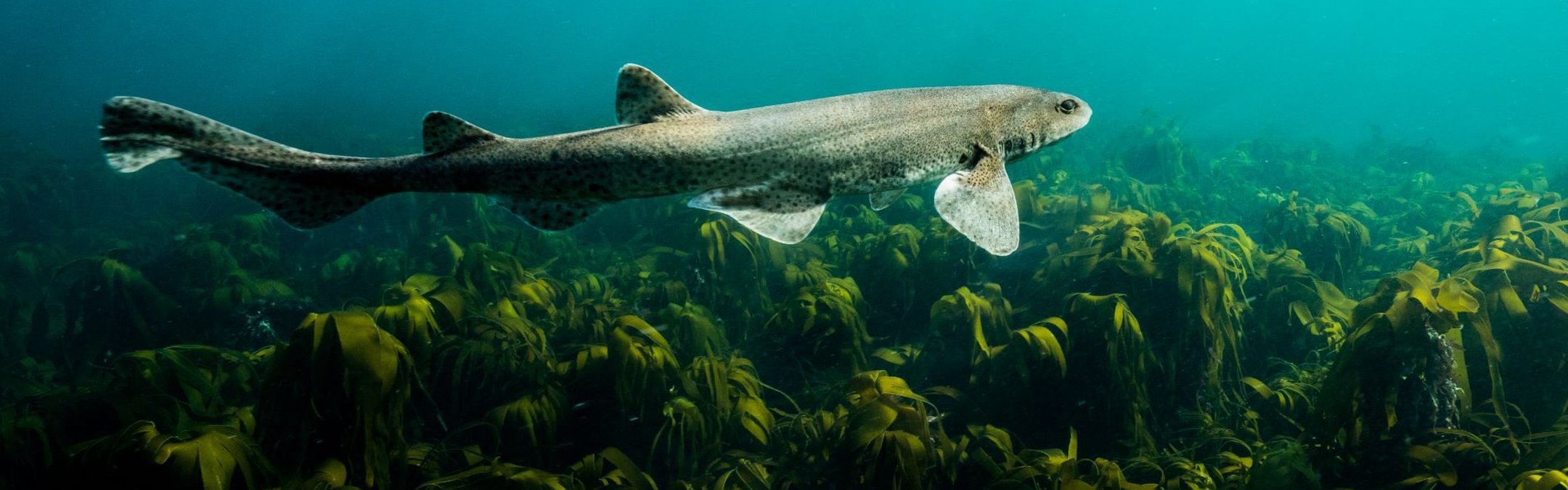
An underwater picture of a grey cat shark swimming over luscious green kelp. The cat shark is moving away from the camera.

Explorer scouts

Our free activity plans have been designed to help you complete the volunteering section of the Duke of Edinburgh Award.

To make it easy, we’ve created example three-, six- and 12-month plans for campaigning, litter picking, fundraising and citizen science. These plans break the projects down into manageable steps while providing space for independent activity and decision making.
Campaign

Help create a cleaner, better-protected ocean by campaigning for change.

You can raise awareness at your school, in your family or community and take practical action to help the ocean.

Check out our example plans to find out how you can fight for our seas while completing your DofE award:

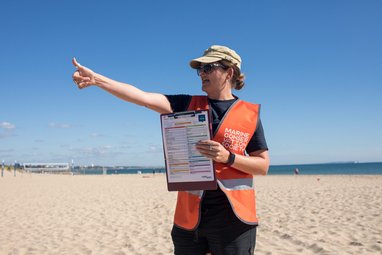
A woman with a hat and sunglasses standing on a beach. She is pointing to the left while holding a survey form for others to see. She is wearing a bright orange safety vest with a Marine Conservation society logo on it.

Beach clean organiser at Sandbanks  |  Image credit: Billy Barraclough
Litter pick

80% of marine litter comes from the land.

Whether you live in a town, the countryside or near a beach, by removing litter from the environment you’ll help the ocean and the animals that live in it.

Our example plans show you how you can help the environment while completing your award.

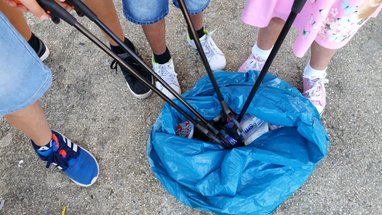
A group of children are using litterpickers to put rubbish into a blue refuse bag. Only the children's legs and feet can be seen.

Kate Whitton  |  Image credit: Kids litterpicking
Fundraise

If you're interested in raising money for us, you could organise a Big Blue Day, hold an event, sell items or take on a challenge.

Whatever you decide to do, the money you raise will help us fight for the health of our ocean and protect wildlife.

Our example plans take you through every step of fundraising:

Organise a Big Blue Day

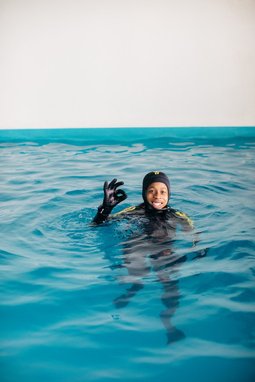
Organise a Big Blue Day  |  Image credit: Billy Barraclough
Search for seaweed

Contribute to a real scientific research project run in partnership with the Natural History Museum by searching for seaweeds.

Seaweed distribution is an indicator of climate change, and the results will contribute to our database and help us monitor changes and manage these vital resources.

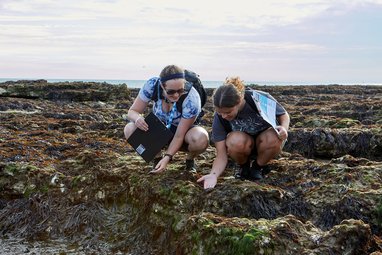
Two women, participating in the Big Seaweed Search, are crouched on a rocky, seaweed-covered shore near the ocean. One woman holds a clipboard and points at something on the ground, while the other looks down at her hand.

Big Seaweed Search - Rottingdean  |  Image credit: Natural History Museum London
Find out about our other awards and certification resources

Dive in

Discover resources for other scout ages