

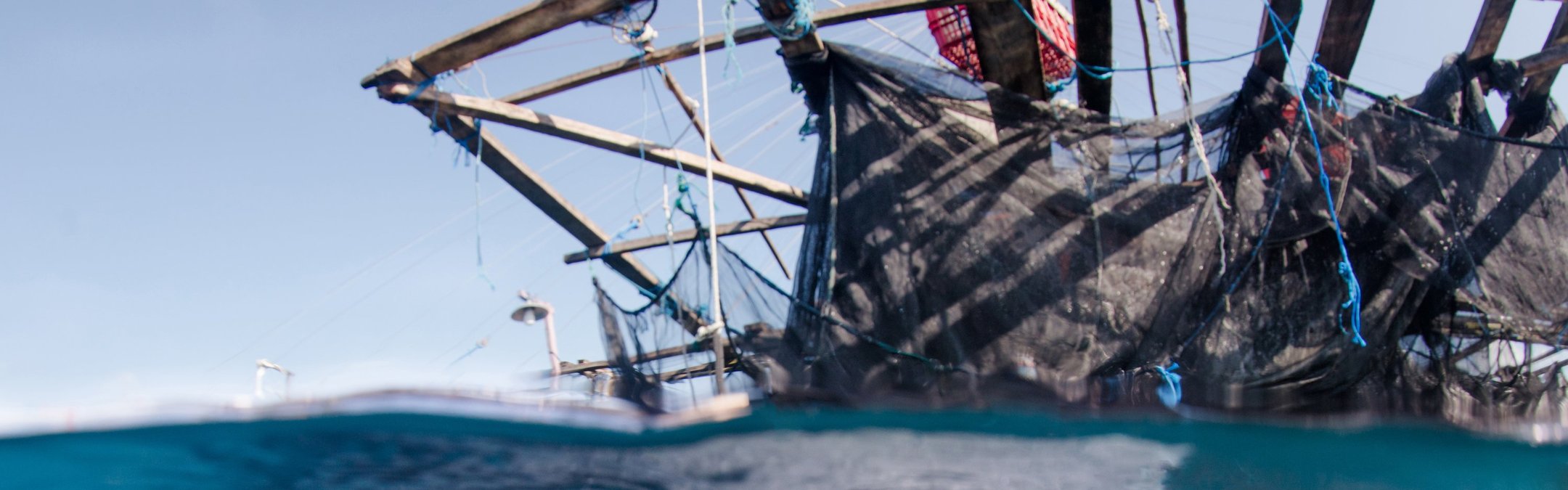
Fishing and fisheries
The English Channel trawled cuttlefish fishery, or the Indian Ocean pole and line skipjack fishery, are two examples.
The scale of fisheries varies dramatically. The industrial Peruvian anchovy fishery catches 8 million tonnes per year, whilst the commercial Shetland brown crab fishery catches less than 550 tonnes per year.
A fishery can be commercial, industrial or recreational. Commercial fisheries provide food for human consumption, with the fish being caught and sold to supermarkets, restaurants, or the general public.
Industrial fisheries mainly catch food for non-human consumption - mostly to feed fish on fish farms, to make supplements such as cod liver oil, supply agriculture, or for the pet food trade.
Recreational fisheries tend to be mainly for individuals to fish. In the EU, recreational fishers are not allowed to sell what they catch.
What is Maximum Sustainable Yield (MSY)?
MSY is the maximum amount of fish that can be caught year after year whilst keeping the fish population at a healthy size. It's an estimated figure, often used by fisheries scientists and managers as a target level to keep fishing sustainable. If fishing exceeds MSY, then overfishing is taking place. If the fish population falls below a healthy size, then it is in an overfished state. Globally, 34% of fish populations are overfished.
You might also be interested in...
Fishing methods explained
There are many different ways to catch or farm fish and shellfish, and some have a much lower environmental impact than others. Here we explain the different fishing methods and how sustainability can be improved.
Why we focus on sustainable seafood
From why sustainable seafood is important to why as an environmental organisation we encourage people to eat fish, here we explain why we do what we do.

Sustainable seafood swaps
Learn more about sustainable seafood swaps and our work on the Good Fish Guide.

