

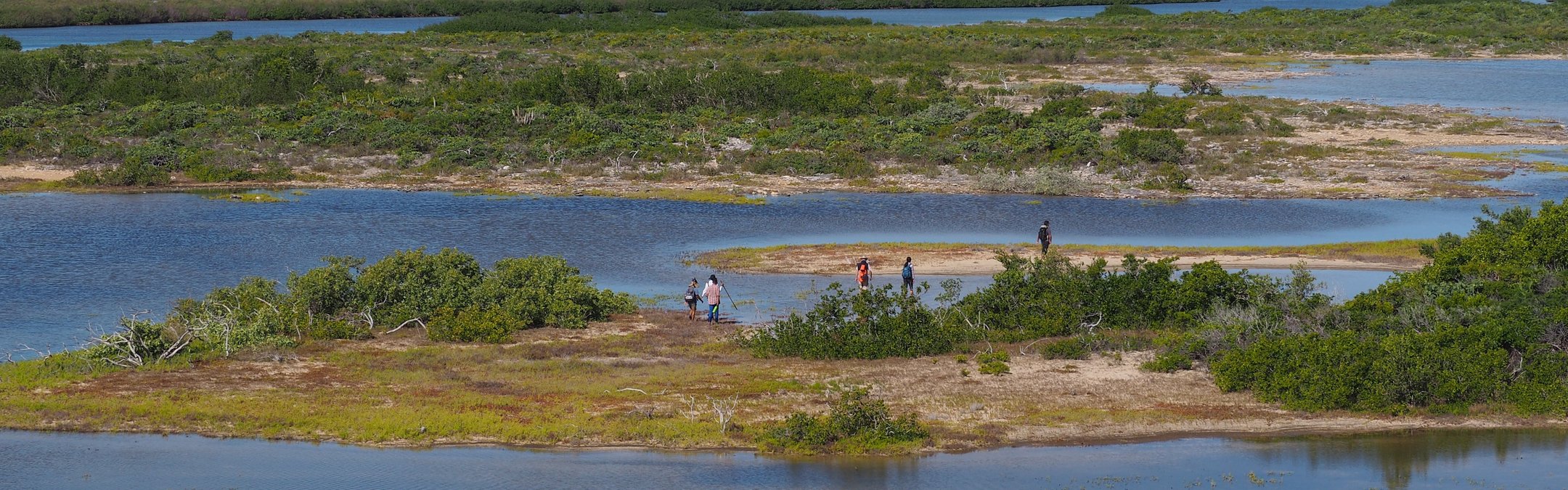
Conserving East Caicos wilderness area
Biodiversity in East Caicos
The Turks and Caicos Islands (TCI) is a UK Overseas Territory located in the northern West Indies and Atlantic Ocean. It consists of 40 islands, and has an approximate population of 45,000. There are many uninhabited islands in the TCI, and its largest – East Caicos – is the focus of this project.
East Caicos is approximately 47 square kilometres, low-lying and has a range of sea and land habitats that support a plethora of stunning wildlife. From some of the most intact coral reef systems in the Caribbean region, to carbon-capturing seagrass beds, mangroves, dry forests and wetland expanses, these fragile habitats are home to threatened biodiversity including sea turtles, sharks, rays and passing whales.
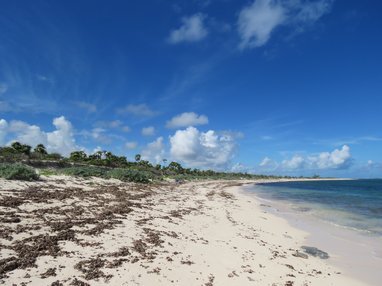
East Caicos coastline | Image credit: Kathleen Wood
Looming threats to the area
The Turks and Caicos Islands’ main economy is tourism, and this industry has been rapidly growing over the last few decades, especially in the economic centre of Providenciales. This development has undoubtedly caused environmental damage, and it has provided little benefit to local communities.
Due to the remoteness and isolation of East Caicos though, it has so far remained development-free. However, with TCI’s population growing there is increased pressure to expand the economy. Therefore, there is a need to cultivate a future for East Caicos that avoids the mass tourism model while ensuring adjacent communities are central to and prosper from its conservation.
The East Caicos wilderness area project
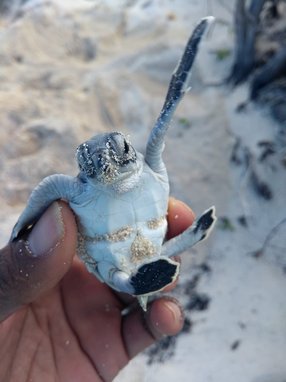
Green turtle hatchling excavated out of a nest on north side of East Caicos | Image credit: Amdeep Sanghera
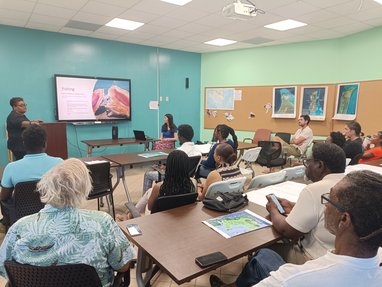
A Community Voice Method Presentation at East Caicos | Image credit: Emily Bunce
Watch the film
This Community Voice Method film features the views and opinions of local people about the future of East Caicos. The film was not made to tell what to think, but to stimulate thought and discussion.
This film puts the topic of East Caicos into local context and explores possible future management scenarios for the island.
This project is funded by the UK Government’s Darwin Plus scheme, which helps deliver long-term strategic outcomes for the unique biodiversity, the natural environment and improving resilience to climate change within the UK Overseas Territories.
Get involved in your community
Report a wildlife sighting
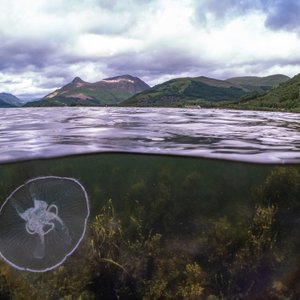
We want to hear about the wildlife you spot at the coast and at sea, especially marine turtles and jellyfish in UK and Irish waters.
Find a beach clean
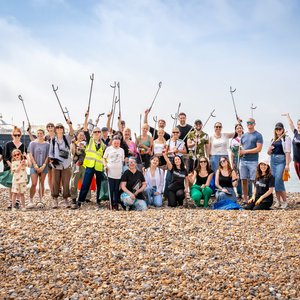
Join one of our beach clean surveys and help keep Britain's beaches beautiful and our ocean safe for wildlife.
Arrange a community talk
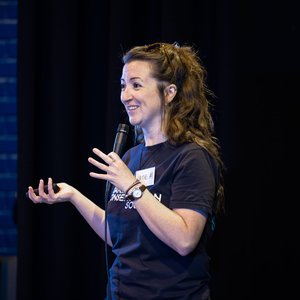
Enjoy a talk in your local community to learn more about the work of the Marine Conservation Society.

