

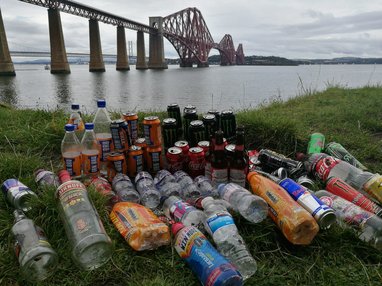
A large accumulation of litter
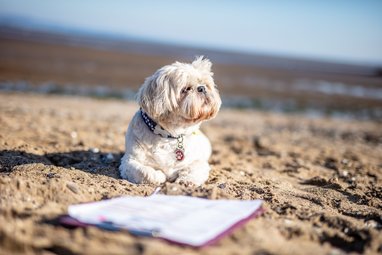
A volunteer's dog at a Great British Beach Clean | Image credit: Holtography
Be safe
Follow the guidance below and check out our Risk Assessment before you begin:
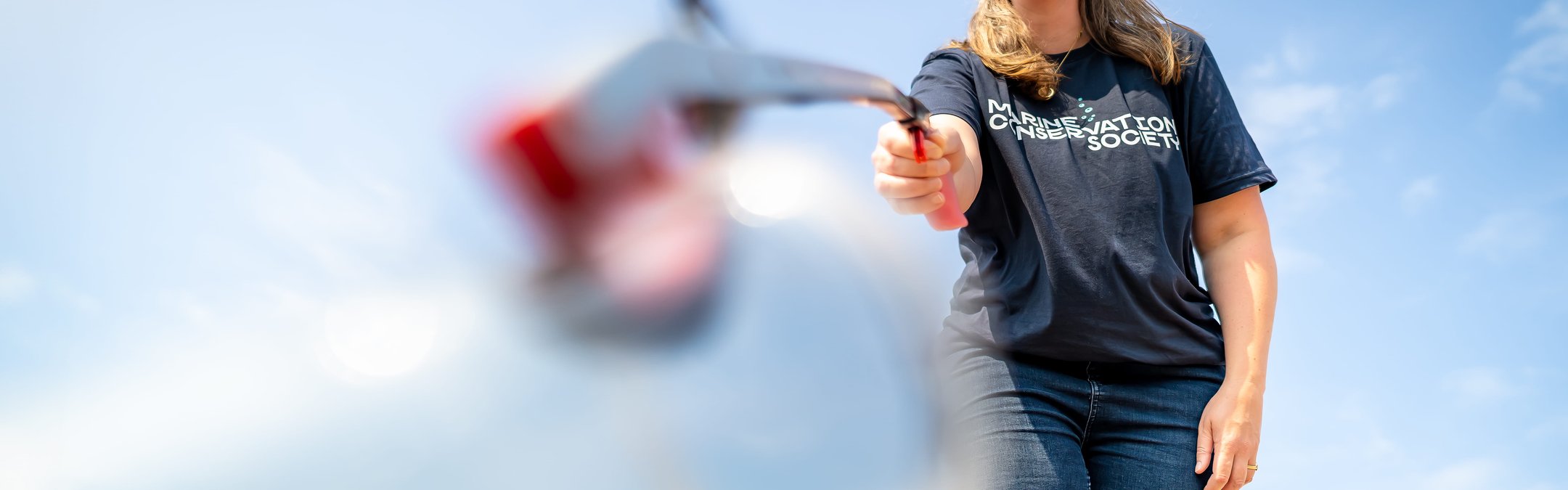
- Use a litter picker if you can, and wear thick gloves - gardening gloves work well.
- Don’t pick up sharp items like needles or glass.
- Don’t touch anything that might be dangerous chemicals or substances, and don’t try to move large or heavy items. Report these items to your local council’s waste department.
- Don’t pick up or move injured or dead animals. You can report injured animals to the RSPA in England and Wales, or the SSPCA in Scotland.
- Don’t climb up or under anything to retrieve litter.
- Avoid litter picking along road verges, busy roads, near railway lines or on bridges. If you're litter picking near a river, be sure to stay well away from the water's edge.
- Always be aware of your surroundings.
Green Recovery Challenge Fund
Co-funded by the European Union

Other ways to volunteer for your Duke of Edinburgh Award

Campaign
Find out how you can fight to save our seas while completing your DofE award.
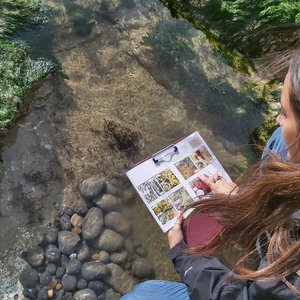
Search for seaweed
Contribute to our database and help us monitor environmental changes and manage these vital resources.
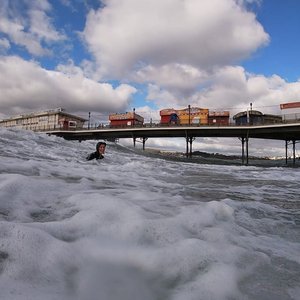
Fundraise
The money you raise will help us fight for our ocean and defend habitats and species.

