

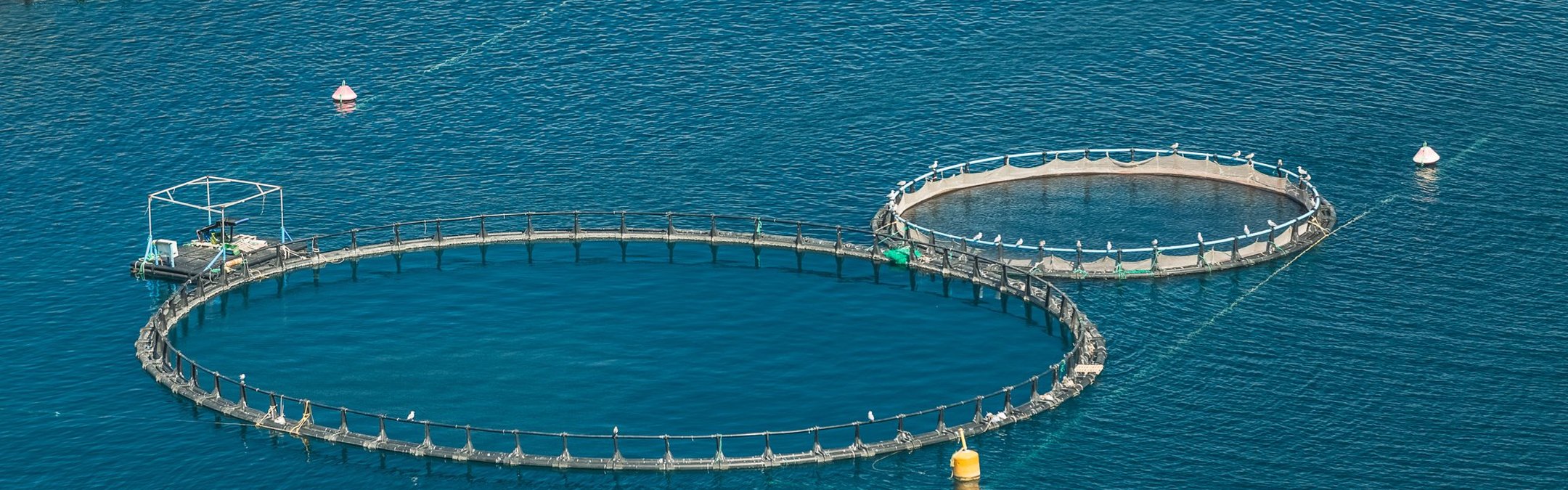
Fish farming
Fish farming incorporates everything from a few mussel ropes on a Scottish croft to huge salmon farming companies on the New York stock exchange.
It is the fastest growing food production sector, growing at a rate of 3.5% per year. In 2022, aquaculture produced over 130.9 million tonnes, including plants. Over 94 million tonnes of this were aquatic animals. In 2024, over 560 species were farmed globally, via an array of scales and methods.
Atlantic salmon is the most commonly farmed fish in the UK. In 2023, 150,949 tonnes of salmon were produced from farms off the coast of Scotland.
Should salmon farming be red-rated?
Salmon farming does have its problems, and the main concerns include sea lice, disease management and impacts on wild salmon populations.
However, it has also made some great improvements in recent years, such as responsible sourcing of feed ingredients. Compared to other fish farms globally, Scotland has a comprehensive regulatory regime.
A 2024 Scottish Parliamentary review of the Scottish salmon farming industry highlighted the remaining concerns regarding the environmental performance of salmon farming and identified mechanisms to improve them, including a regulation review. We’re working to ensure that these concerns are fully addressed and improvements are delivered.
Should we be feeding fish to fish?
Farmed fish such as salmon, prawn, bass and bream all require feed for their health and welfare.
Aquaculture feed comes in the form of pellets, which include ingredients like fishmeal, fish oil, wheat gluten, soya meal and a variety of other plant-based proteins and oils. The proportions of each of the ingredients in the pellets varies depending on the species they are being fed to.
If there is fishmeal and fish oil in the pellets, they have been derived from either whole fish or trimmings. Most of the fish that is used to make fish feed comprises species that we don’t eat much of – such as blue whiting, Peruvian anchovy and menhaden.
Alternatively, the fish might come from trimmings from factories that are processing fish for human consumption.
We feel that it is vital that the fish used to make feed are initially made available for human consumption. Only when that market has been filled should alternative uses for fish be sought. It is also important that the fish content of feed comes from trimmings and processing waste as much as possible.
It is essential that fish caught to make feed are sustainably managed.
We also believe that all farmed fish should be net producers of fish protein. This way, we encourage the industry to use innovative ingredients to replace as much fish as possible, such as algae oil, insect meal and protein from fermentation.
As 94% of global fish stocks are fully or overexploited, we are increasingly reliant on aquaculture to meet global demands for seafood. It is critical that we meet our future protein needs whilst ensuring the health, diversity and productivity of our marine environment.
You might also be interested in...
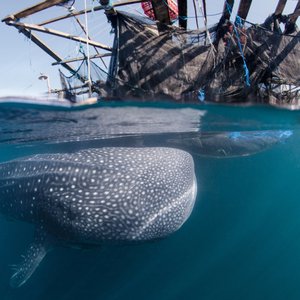
Fishing and fisheries
A fishery is a clearly defined area where specific species of fish are caught using a particular method of fishing.
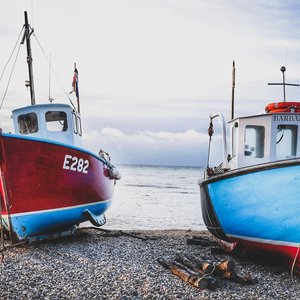
Fishing methods explained
There are many different ways to catch or farm fish and shellfish, and some have a much lower environmental impact than others. Here we explain the different fishing methods and how sustainability can be improved.
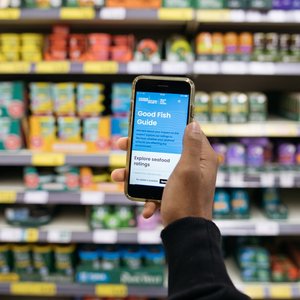
Choosing sustainable seafood
The impact of unsustainable seafood on our ocean is frightening. The good news is, you can do something about it. Our Good Fish Guide is here to help you make ocean-friendly choices.

