Climate change and fishing
What is climate-smart fishing?
The fishing sector can reduce its impact on the environment. A climate-smart approach takes into account the various ways that the fishing sector impacts the environment through emissions, biodiversity loss and habitat damage and then seeks to address these issues.
UK fishing needs to modernise and change. Our report with WWF and the RSPB outlines a way forward for the sector.
How do we achieve it?
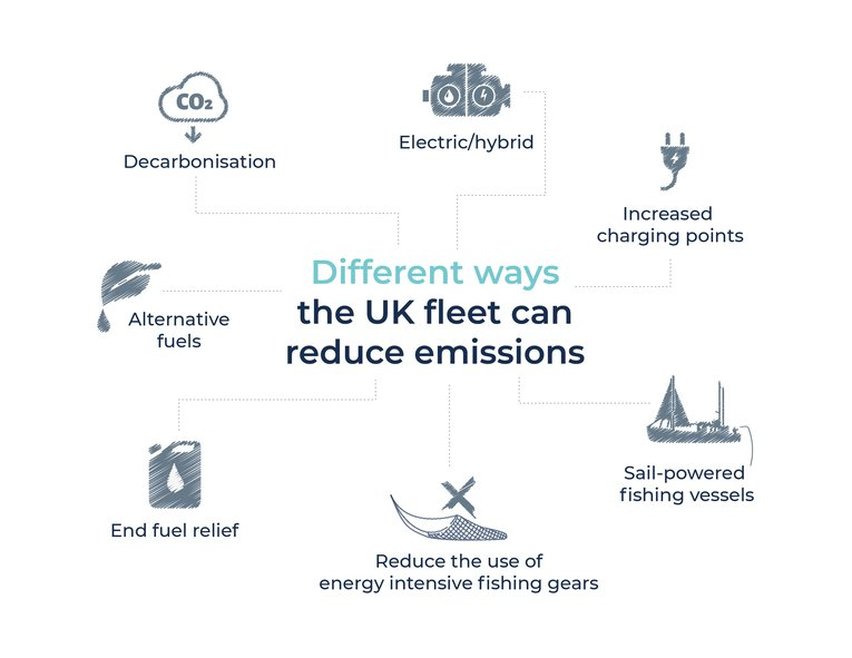
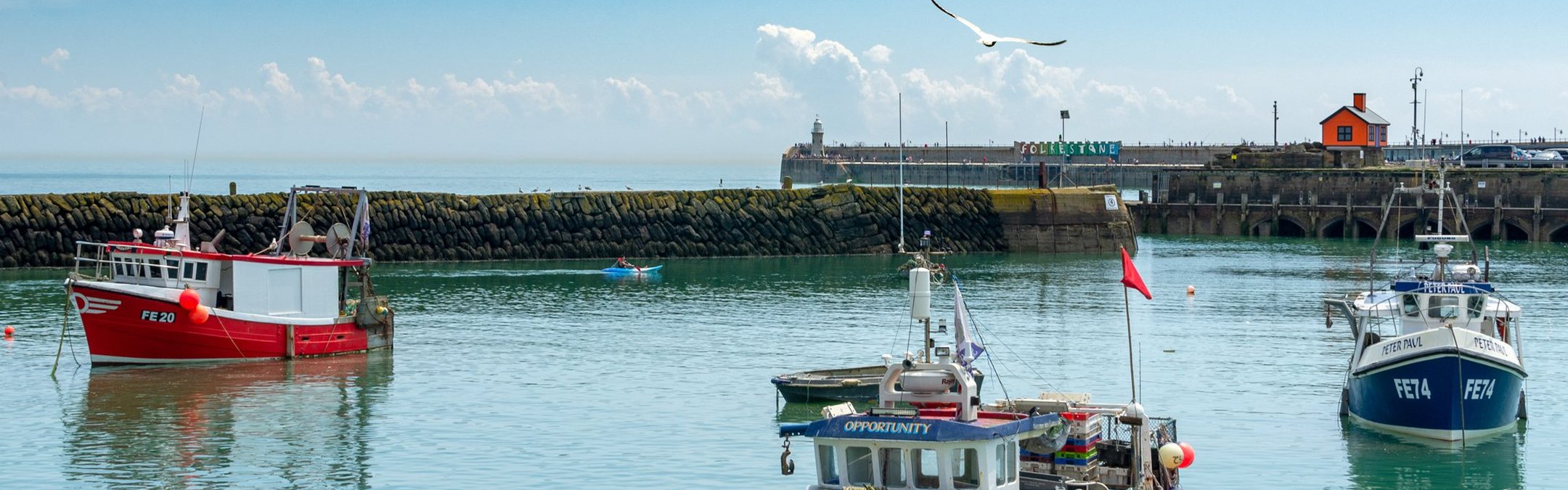
Image credit: Pact Media
We achieve climate-smart practices by reducing carbon emissions that come directly from the UK fishing fleet, limiting damage from unsustainable fishing practices and protecting blue carbon habitats.
Our report outlines a number of practical solutions to achieve climate-smart fishing for the future:
- Reduce pressure from fishing gear like trawls and dredges by incentivising a move to methods such as longlines.
- Increase transparency and traceability across the UK fishing industry to improve understanding of the impact of fishing and aid stock recovery. This could be achieved by mandating the installation of Remote Electronic Monitoring systems with CCTV cameras across the UK fleet to provide a true picture of catch levels and data to improve management.
- Ban bottom towed gear to protect blue carbon habitats within existing Marine Protected Areas (MPAs) designated for seabed features, as well as limiting towed gear in important blue carbon sites outside current MPAs.
- Create incentives to decarbonise the UK fishing fleet and eliminate inefficient fleet structures, for example by ending fossil fuel subsidies and encouraging fishers to move to electric and solar powered vessels.
Image credit: Jack Clarke
The UK already has world-leading legislation in place to modernise the UK fisheries industry in the form of the UK Fisheries Act, 2020. The Fisheries Act sets out a clear objective to address the climate impact of fisheries, but action is yet to be taken.
You might also be interested in...
Electrifying the fleet report
Every sector has a role to play in transitioning to net-zero, including the UK’s fishing fleet. Our report - Electrifying the Fleet - presents new findings and a route forward to decarbonise the sector.
Fishing and fisheries
A fishery is a clearly defined area where specific species of fish are caught using a particular method of fishing.
Fishing methods explained
There are many different ways to catch or farm fish and shellfish, and some have a much lower environmental impact than others. Here we explain the different fishing methods and how sustainability can be improved.